Wooby

10 Signs Your Child Needs More Nutrients in Their Diet
Published On: 24 September 2026

Being a parent is a stressful job for anyone. You have to take care of your child's health, which is very important for anyone, as there is a lot of noise already about diet plans and excess information on the internet.
Your child’s growth and development mostly depend on proper nutrition and care, which every parent tries to do with their best efforts. However, nutrient deficiencies can often go unnoticed until they start impacting the physical or emotional well-being of your child. It’s not always about what they are eating, but it’s more about what they are eating. While all this happens, identifying nutrient deficiencies, which as a parent becomes so hard to detect but is not a problem, we will help you today with this. Here are 10 signs that might indicate your child needs a more nutrient-rich diet, so let’s get started:
1. Mood Changes or Anxiety

Sometimes what may seem like a behavioural issue could be a sign of nutritional deficiency. When our child eats meals low in proteins and macronutrients, it can affect their brain functioning, leading to mood changes. To ensure proper brain development, add meals rich in proteins, vitamin B, and omega-3 fatty acids, all of which support brain health and are very essential to be a part of their diet, such as eggs, fish, chicken, pulses, and dairy products.
2. Hyperactivity or Restlessness

Hyperactivity often seems to be a result of poor digestive health and consumption of artificial colours. Some studies suggest artificial colours may worsen hyperactivity in sensitive children. Kids nowadays start their day with junk food, which results in multiple health issues. Due to the intake of processed foods and artificial colours, kids' health is getting worse. But no issue every habit can be changed, and it’s now the right time to help your child develop healthy eating habits, so now shift to natural options like yogurt, buttermilk, and fresh fruits such as papaya, which support digestion and calm the mind. Giving food rich in nutrients, vitamins, and other essentials is the key for proper development.
Reference:
- https://pmc.ncbi.nlm.nih.gov/articles/PMC3441937/
- https://publichealth.berkeley.edu/articles/spotlight/research/new-report-shows-artificial-food-coloring-causes-hyperactivity-in-some-kids
3. Delayed Speech Development

Vitamin B12 deficiency can contribute to slower neurological development, which may impact speech in some children. B12 is essential for nerve health and brain functioning. Adding food items rich in vitamin B12 becomes a must-try, adding options like dairy products, eggs, fish, and poultry. However, consult a paediatrician before considering supplements.
4. Dry Skin or Hair

Seeing signs like brittle hairs and dry skin, it could be a sign of dehydration and lack of fatty acids, zinc, and fat-soluble vitamins (A, D, E, K). Leafy greens, fatty fish, and fortified dairy products are rich in these vitamins. Drinking water on time is also an important thing to consider for proper hydration of your kid. You can get a sipper with water level markings. A balanced intake of these nutrients will support healthy skin and hair. Adding vitamins to the diet is essential, you must add them to your basket.
5. Crowded Teeth
Poor dental spacing and frequent teeth pain could be a sign of vitamin D and calcium deficiency or excessive consumption of processed foods like cold drinks. While genetics play a major role, insufficient calcium and vitamin D during bone development can affect jaw growth. For this, add nutrient-dense foods like lentils, pulses, and eggs to their diet to promote healthy jaw development and spacing of teeth.
6. Frequent Colds and Infections
If your child catches colds or other infections frequently, it could be a sign of a weak immune system due to poor nutrition. As kids eat junk food and meals that only fill their tummies, not their immune systems, it can become a problem. Add fruits, vegetables, whole grains, and traditional cooking methods that retain nutrient value.

Sometimes environmental conditions also play a major role in this, such as pollution and viral germs. In these situations prevention is better, make them wear face mask while travelling outside and use hand sanitizers. If this problem continues to be frequent, make sure to consult with a doctor for better guidance and care.
7. Dental Cavities
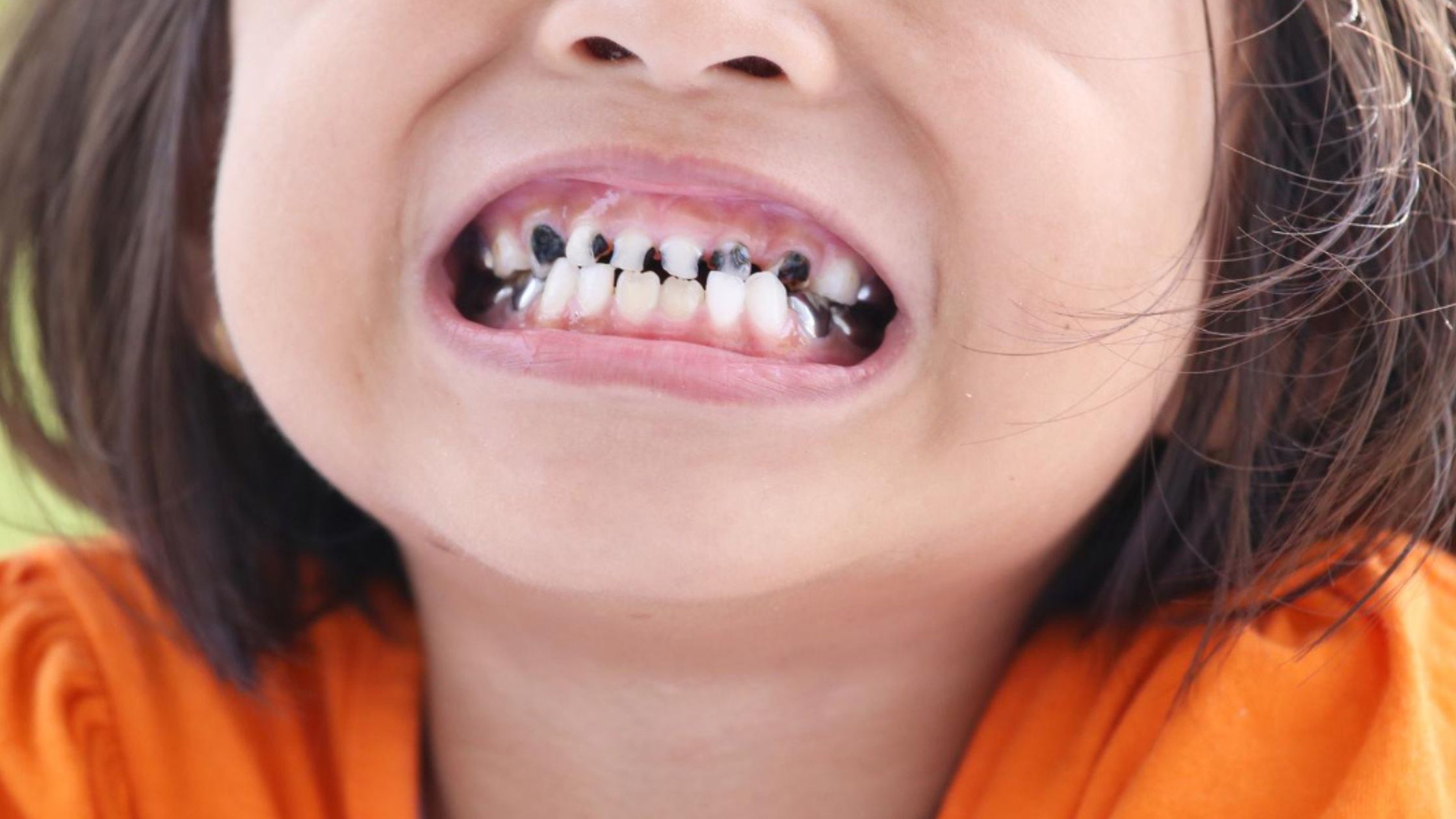
Dental cavities are often caused by high sugar intake and deficiencies in fat-soluble vitamins, and a deficiency of vitamins A and D can weaken enamel in kids. This can easily arise due to exposure to a lot of sugar-made products in the market. Make sure that your child doesn’t eat products made with high sugar content, such as energy drinks, candies, and chocolates. Add foods like green leafy vegetables, cabbage, and fortified milk products into their meals to improve oral health.
8. Low Energy and Difficulty Focusing

Fatigue and lack of focus could be a result of iron deficiency in kids. Iron is one of the essential nutrients and is one of the vital nutrients for oxygen transport in the blood. Add iron-rich foods such as red meat, seeds, legumes, and dried fruits to boost energy levels and mental clarity.
9. Mood Swings and Emotional Instability
You think they are rude, but sometimes irritability and erratic emotions happen in kids, which can be a result of hormonal imbalance linked to poor nutrition. Adding healthy fats like those in nuts, seeds, avocados, ghee, and olive oil can stabilize mood by supporting hormonal balance.

Make sure you spend quality time with your kids and understand them, listen to their thoughts, and advise them accordingly.
10. Obesity

Surprisingly, nutritional deficiencies can also lead to obesity. Yes, if your child eats calorie-dense but nutrient-poor foods, they may overeat to meet nutrient needs, leading to weight gain, and then obesity could be a visible result. When children lack essential nutrients, their bodies crave more food, often resulting in overeating. A diet rich in whole foods, proteins, and healthy fats can satisfy these cravings and prevent weight gain.
How to Address Nutritional Deficiencies in Children
- Add Whole Foods: Prioritize natural, unprocessed foods like fruits, vegetables, whole grains, and lean proteins.
- Limit Sugary and Processed Items: Minimize added sugars, refined grains, and artificial additives in their diet.
- Consult Experts: If you see severe deficiencies, consult a paediatrician or dietitian for better advice.
Summary
Nutritional deficiencies are common in kids nowadays, and taking care of them becomes very important for a parent. This can impact your kid's physical health, mental development, and emotional stability. A better diet and proper love and care result in the solution of this problem.
By identifying these signs early, you can take corrective action and work on your child's dietary adjustments and provide them a healthier future.
