Wooby

14 Smart Ways to Protect Your Child from Infections
Published On: 24 September 2026

Every parent wants to protect their child from germs and bacteria around them. To make it real, we will share with you some easy-to-follow steps to guard your child from the war of germs. So that it becomes difficult for germs to attack. The good news? Keeping your child safe from bacteria and germs is not difficult. They can be strengthened in several methods that are rapid and efficient to maintain them prepared to fight off any virus or infection. In this blog post today, we will discuss useful tactics and advice for maintaining your child's health and fostering lifelong habits. Let's get started and make your kids ready to fight with the surrounding germs:
1. Teach Proper Handwashing
Washing hands properly kills many germs and is one of the easiest yet most effective strategies to prevent germs from entering the mouth. Many potential future health issues can be resolved with washing hands.
- When to Wash: It’s good to have a habit of washing hands after touching any dirty thing, and it should be mandatory for your child after they play, before they eat, after they use the restroom, and after they cough or sneeze.
- How to Wash: Using gentle soap or handwash and water and rubbing hands properly for at least 20 seconds, covering all parts of their hands, including between fingers and nails. Play this video for them to demonstrate good handwashing. Singing a song while they wash their hands can add some enjoyment.
2. Maintain Good Hygiene Habits
Clean body and the surrounding play a major role in maintaining your child's overall hygiene. As many say that "cleanliness is next to godliness," and we should all teach this value to our children. Encouraging cleanliness and strictly practicing good hygiene with your child is something that every parent should do for building healthy habits.
- Nail Care: Trimming their nails twice a week is a good step to prevent germs from getting trapped. Avoid getting big nails, as this can create the problem of getting germs stuck under the long nail gap.
- Personal Items: Sharing is caring, but not with all things. Personal belongings such as combs, water bottles, or towels shouldn’t be shared, and they must always be clean.
- Bath Time: Ensure your child takes a proper bath daily to stay clean and fresh with a good body wash. This can also prevent them from staying lethargic all day.
3. Boost Kids Immunity
A strong immune system helps kids fight off infections naturally. Due to the rise of pollution and infections, fighting with requires strong immunity. Strong immunity behaves like a shield for

- For adding a balanced diet, include fruits, vegetables, whole grains, nuts, and seeds in your child’s diet. Immunity-boosting foods include amla and oranges.
- Regular physical activity helps kids body stay active with outdoor games. Yoga or fun activities like dancing to keep them active and healthy.
- Ensure they get enough sleep every night, as rest is vital for building a strong immune system.
4. Vaccinations Are Vital

When it comes to protecting your child from illnesses like the flu, mumps, and measles, vaccination is crucial. Mark or set notification to not miss any vaccines on schedule. You may keep kids safe and healthy by following their vaccination schedule with the help of routine checkups with the paediatrician. As this is one of the most important things to focus on as a parent.
5. Keep Their Surroundings Clean
To reduce the danger of bacterial diseases, a clean and hygienic atmosphere is crucial. To keep your kid child hygienic, follow these helpful tips:
- Carry hand sanitizers for travel to help minimize germ exposure.
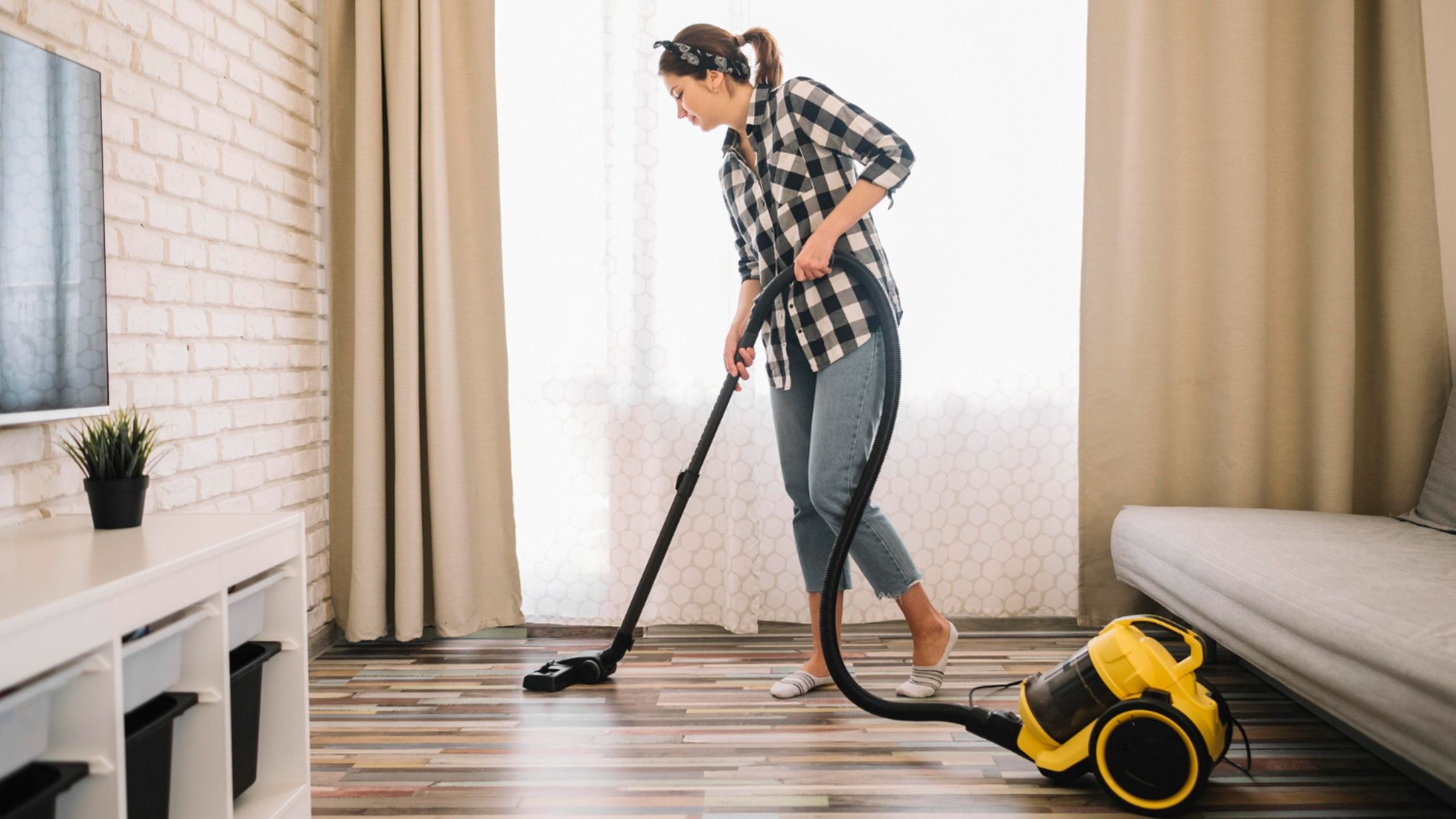
- Clean frequently used items like toys, tables, and doorknobs regularly to keep them germ-free.
- Make sure the play area is clean and hygienic, your home has good air circulation to create a healthier environment.
- By following these simple but effective steps, you can develop a safer and healthier environment for your child.
6. Avoid Touching Their Face
Kids love to touch their face, it’s very important to stop them touching their face randomly, especially their eyes, nose, and mouth. While it's their habit to touch face all time, but this can make it easier for germs to enter into their body and cause sickness easily.
Explain to them why it’s important to avoid this habit in simple words as they can understand. Say them to sanitize their hands timely. For example, you can say, “Our hands touch so many things with germs, and touching your face gives those germs a way to make you feel sick.”
7. Hydration Is Key
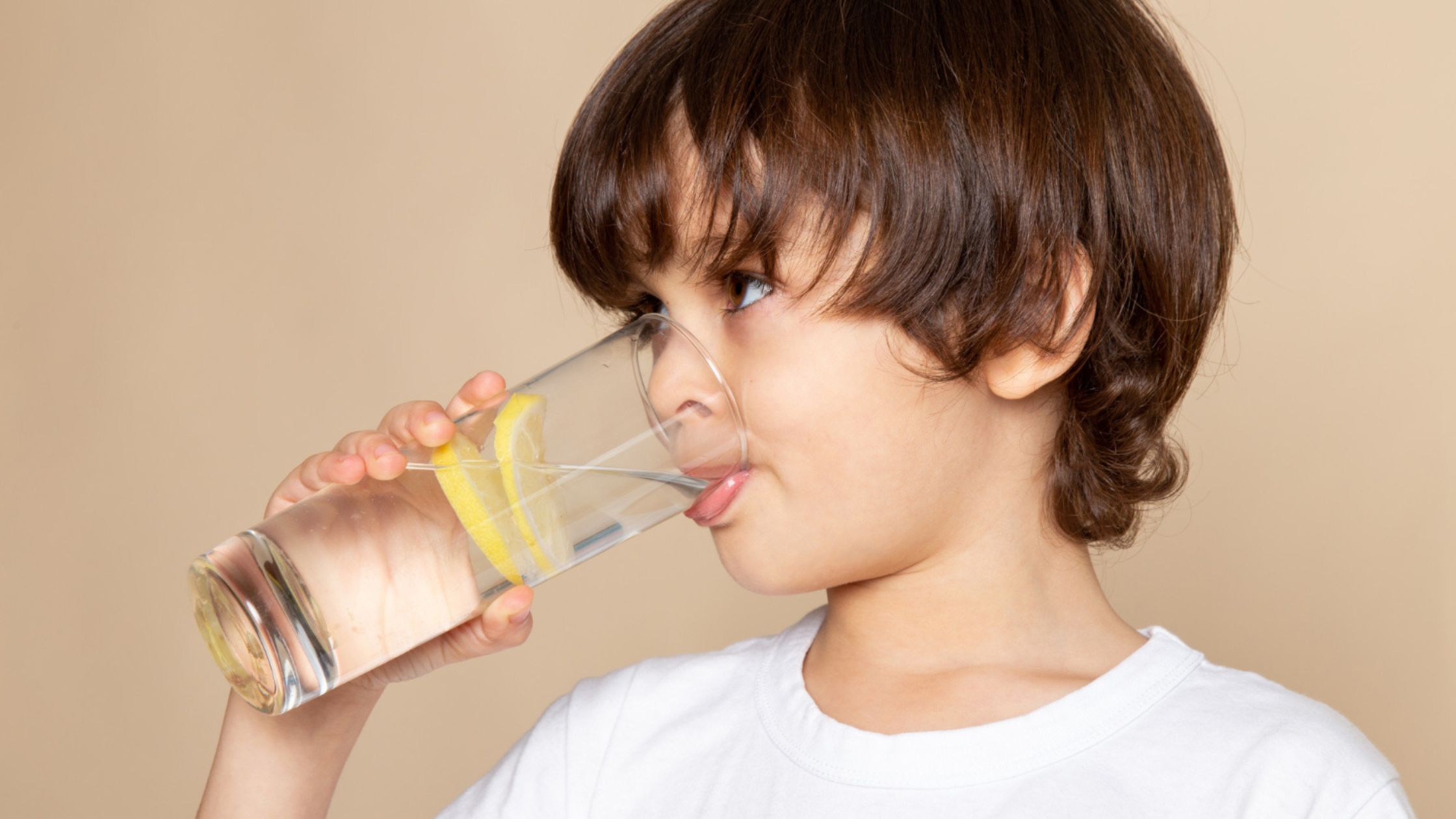
Hydration is important for everyone, drinking plenty of water can keep our body stay hydrated. While dehydration can lead to a lot of health issues. Throughout the day, remind them to stay hydrated. Giving them water bottles for schools having measurement or something they like, try giving lemonade sometimes. These simple points might help people stay healthy and enjoy drinking water.
8. Proper Nutrition Is Essential
Nutrition plays an important role in your child overall development, that is why giving proper nutrition becomes essential. It helps them get them energized throughout the day and promoting their overall healthy development. Eating a proper balanced diet is the foundation for a happy and healthy present and future.
- Add natural foods like honey, ginger, and turmeric into your child diet to help them fight with bacteria and germs easily.
- For proper functioning of digestive system, add healthy food items like curd and yogurt into your child meals.
9. Teach Sneezing and Coughing Etiquette
Covering mouth with elbow while sneezing, and if it comes sudden using hand and washing hand after sneezing is a healthy practice we must teach our kids and also practice so that they mimic us. Tell them the benefits and giving them a handkerchief with them, so that hygiene becomes easy while sneezing, as sneezing is a natural body process.
These small habits can be very helpful and reduce the chances of spreading germs and avoiding common illnesses like colds and fever.
10. Reduce Screen Time and Encourage Play Outside
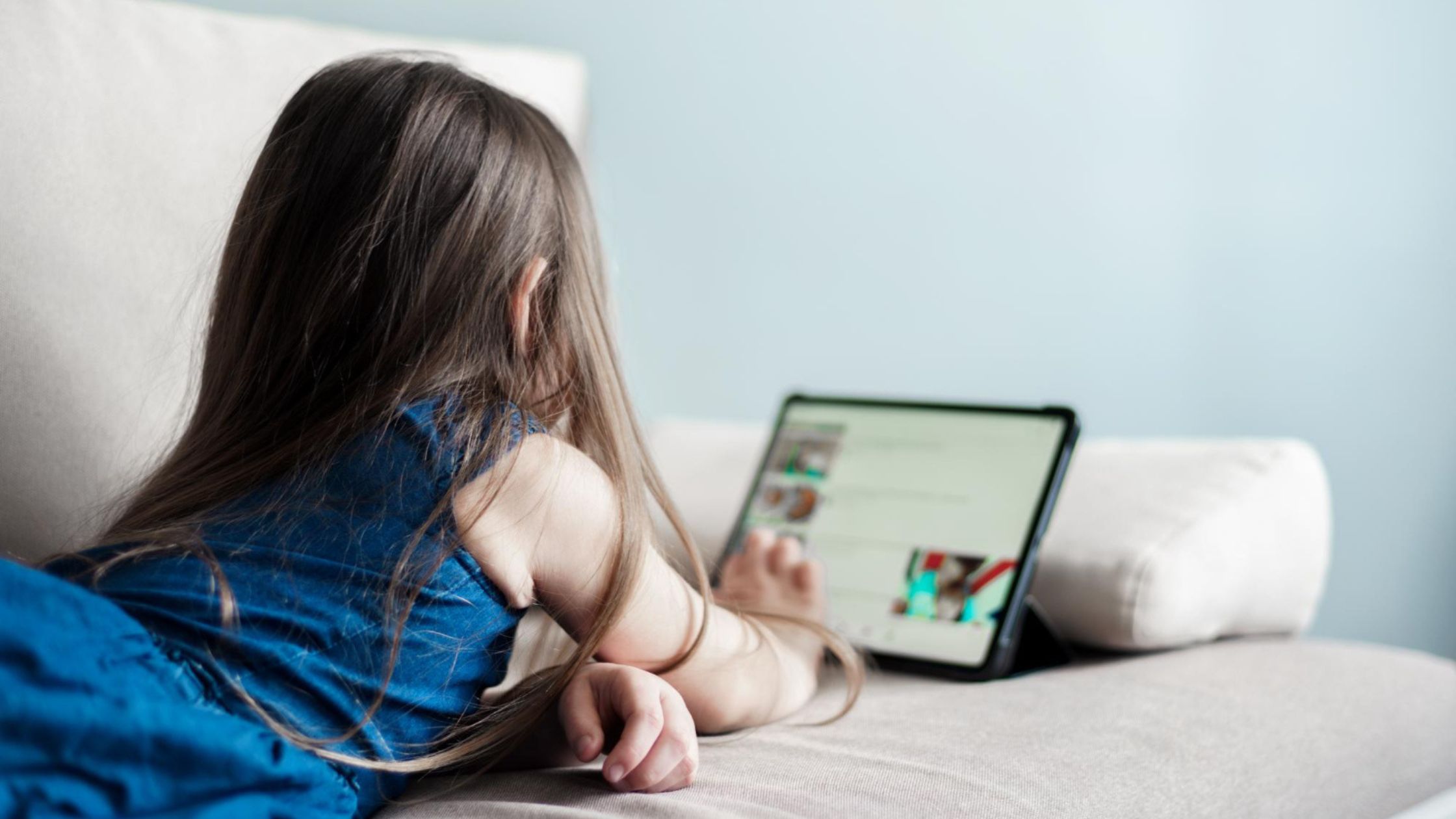
Children who spend too much time on screens may become less active, which might affect their immune systems. Comparing it, to our childhood where things were totally different where we had exposure to physical activities and almost no screen time. Instead, encourage children to spend time outside their home or space. They stay more active and get access to sunlight and fresh air, both of which are very beneficial to their general health and wellbeing, while they play outside with their friends and in the great outdoors.
11. Dress according to the weather
To prevent being sick, make sure your loved one is dressed comfortably for the weather. Layering is most effective in cold weather as most of the time it causes fever, and light, breathable clothing is preferable for days.
12. Recognize Early Signs of Illness
Your child should be encouraged to express their feelings. With that, you can take quick action to stop the sickness from getting worse if you notice early symptoms like fatigue, a runny nose, or a minor temperature. Seeing a doctor might offer the best advice and solutions if things don't seem to get better.
13. Keep Their Stress Levels Low
The immune system of our children may be negatively impacted by stress. Develop a caring and peaceful atmosphere at home, and before they go to bed, teach them relaxation methods like deep breathing or storytelling. Take them for fun vocations and places where they can enjoy and relax their mind.
14. Encourage Social Distancing When Needed

If there is an illness outbreak in your neighbourhood, teach your child the importance of staying away from busy areas and avoiding close contact with sick individuals. As most of viral and infections spread out of making contact with person infected.
Summary
Germs are everywhere around our loved ones, it becomes important to protect them not from the outside but also from the inside. With the shield of good habits, your child stays protected and defeats all the surrounding germs. From maintaining hygiene to giving them proper nutrition, small steps can give big results.
By practicing preventive suggestions shared above, you are not preventing your child from getting sick, but also helping them learn important lessons of life. Remember that prevention is always better than cure, a little change or effort for their care can help them fight against germs and infections.
