Wooby

How to Spot the Signs of Nutritional Deficiencies in Children
Published On: 24 September 2026

Nutritional deficiencies are very common in children of this age, as everything we eat is made out of some adulteration or processed foods. Due to the high demand and minimum cost, many companies are adopting cheaper processing, which results in compromised quality and health. Compared to the previous generations, the health rate was good, and diseases were much less. Why? While there can be many factors to that, as with the rise of pollution, climate change, and increasing population. The good news? Many of these signs are easy to spot once you know what to look for.
Today we will look into some easy solutions for nutritional deficiencies in children and the best options to address and practically procure them.
1. Tired All the Time? It Could Be Iron Deficiency
Kids are energetic, that why nobody can match their level of energy until they have their friends of their age. So if your little one is unusually tired or has difficulty focusing, it might be a sign of iron deficiency (anemia). Nowadays, iron deficiency is common among children of all ages, so make their diet have enough iron.
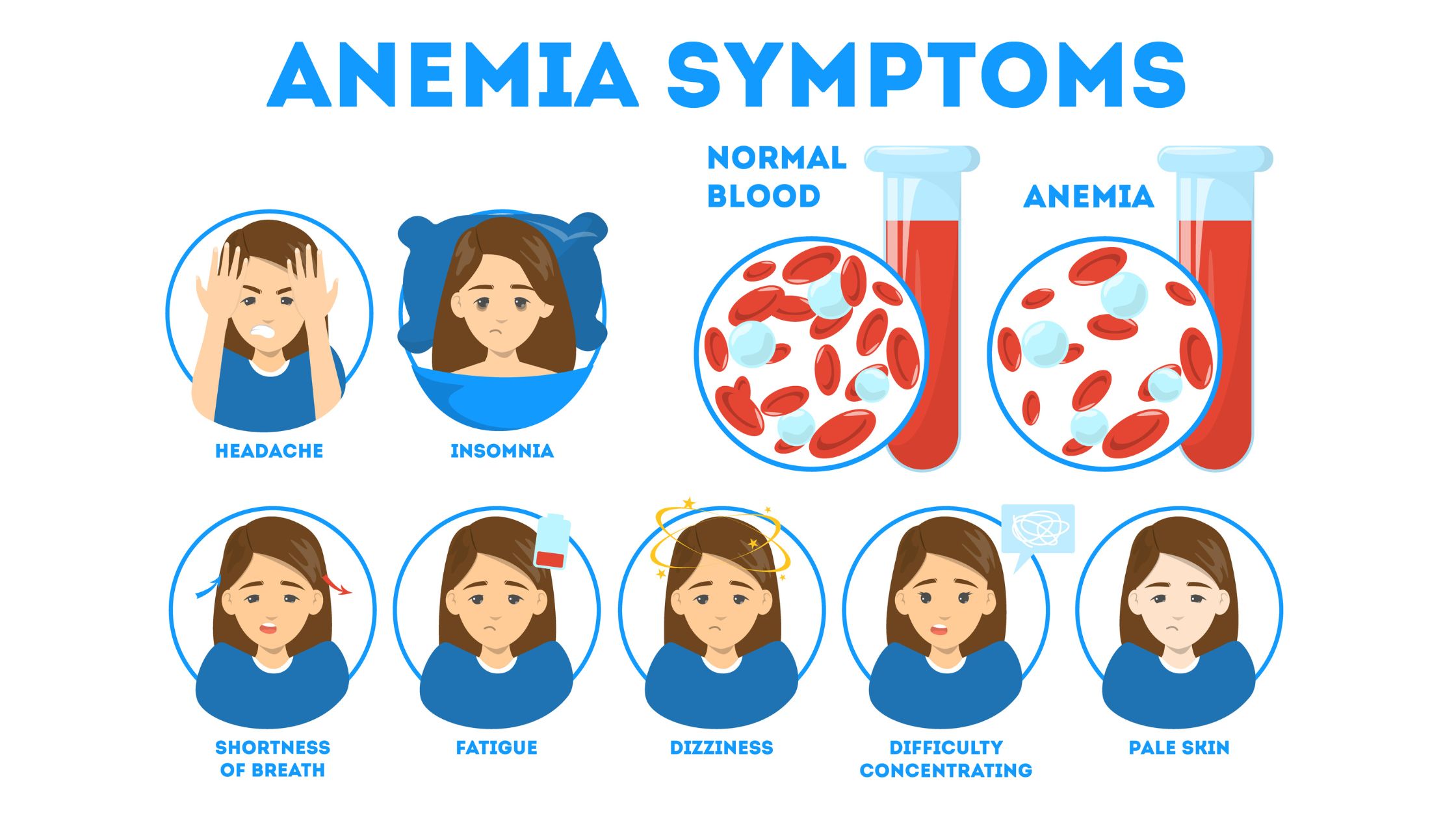
Other signs include:
- Pale skin
- Weakness
- Shortness of breath during play
What steps to take: Adding meals rich in iron could benefit your child from iron deficiency, some good sources of iron include spinach, lentils, eggs, and fortified cereals. Combine them together with vitamin C (like oranges or tomatoes) for better absorption. You can also consult an expert for proper diagnosis.
2. Dry Skin or Frequent Illness? Check for Vitamin A
If you have noticed that your child has dry, flaky skin or seems to catch every cold, they might be low in vitamin A, which supports healthy skin and a strong immune system. Vitamin A is one of the key nutrients to add into your child's diet.

Other signs include:
- Difficulty seeing at night
- Dry eyes
What steps to take: Food items like carrots, sweet potatoes, milk, and leafy greens. But the fun part is, they are coloured fruits and veggies that have beta-carotene and are packed with vitamin A.
3. Cracks at the Corners of the Mouth? It Could Be Vitamin B Deficiency
White dry cracks or sores at the corners of the side of the mouth could be a sign of vitamin B deficiency, particularly B2 (riboflavin) or B12. A crack on the mouth can irritate your loved one a lot, as it is painful and doesn't look good to see.

Other signs include:
- A swollen, sore tongue
- Irritability
- Fatigue
What steps to take: To fulfil the need for B12 and B2, add items to the diet like milk, cheese, eggs, fish, and whole grains. For vegetarians, fortified cereals are a great source of B12.
4. Brittle Nails or Hair Loss? It Might Be a Zinc Deficiency
Zinc is one of the essential micronutrients that play an important role in growth, immunity, and tissue repair for kids. If you suffer from things like slow wound healing, thinning hair, or brittle nails, this might be a sign of zinc deficiency.

Have a close look into their present condition, as deficiencies can only be noticed when they become big problem, instead have a keen eye on their daily life.
Other signs include:
- Reduced appetite
- Frequent infections
What steps to take: Include nuts, seeds, lean meats, and whole grains in their diet. Pumpkin seeds, in particular, are a kid-friendly zinc powerhouse.
5. Bone Pain or Delayed Growth? It Could Be Vitamin D or Calcium
Vitamin D and calcium are essential for strong bones and teeth. If your child complains of bone pain, or you notice delayed growth, these nutrients might be lacking.

Other signs include:
- Frequent fractures
- Muscle cramps
What steps to take: Ensure they get 15-20 minutes of sunlight daily and include dairy products, fortified plant-based milk, fish, and eggs in their meals. Make sure
6. Wounds That Don’t Heal? Look Into Vitamin C
Vitamin C isn’t just about keeping colds at bay. It also helps with wound healing and keeps the skin healthy, that why we have so many beauty products saying they have vitamin C.

Other signs include:
- Easy bruising
- Swollen gums or frequent nosebleeds
What steps to take: Boost their diet with citrus fruits, strawberries, bell peppers, and tomatoes. A colorful plate often means a nutrient-packed meal!
7. Frequent Leg Cramps? Magnesium Might Be Low
Magnesium plays a big role in keeping your child’s muscles and nerves healthy. If they often complain about leg cramps at night, it could mean their magnesium levels are a bit low. Sometimes, it’s just dehydration, too. So make sure they’re sipping enough water through the day.

Other signs include:
- Fatigue
- Poor sleep
What steps to take: Add magnesium-rich foods like bananas, nuts, seeds, and whole grains to their snacks and meals.
8. Unusual Eating Habits? Could Be Pica (Iron or Zinc Deficiency)
Does your child secretly eat dirt or chalk, thinking that you will not know? Still, they are caught. It might be a condition called pica, often linked to iron or zinc deficiency. If you're unable to catch them red-handed, just try checking their bag, asking questions, and looking into their mouth.

What steps to take: Consult a doctor soon. Also, focus on providing nutrient-rich foods like legumes, fortified cereals, and lean proteins in their diet.
How to Prevent Nutritional Deficiencies Among Kids:
- Balanced Diet: A balanced diet should include a variety of seasonal fruits, vegetables, grains, proteins, and healthy fats to add colour to meals.
- Smart Snacking: It’s time to change their eating habits, make sure that they have nuts, seeds, or fruit instead of packaged junk food. Adding healthy snacks accordingly.
- Regular Check-ups: Schedule routine health check-ups to monitor growth and development.
- Add Supplements (if needed): If nutritional gaps become a mess and your child is unable to hit them with their diet, it’s time to add kid-friendly multivitamins or specific nutrient supplements, which would provide better results and nutrient absorption.
When to See a Doctor:

If you’re not seeing any improvement and your child still shows signs of a nutritional gap, it’s best to check in with a paediatrician. They’ll guide you with the right advice and help you find what your little one really needs.
Summary
As parents, we want our children to grow, thrive, and reach their full potential. So it’s important to keep track of their nutritional needs so that you are nurturing them for a happy and healthier life. You can totally customize everything based on your requirements and plan according to your kid's taste and preference. Remember, it’s all about small, consistent efforts, which as parents we have to make for our kid's well-being.
