Wooby

5 Easy Tips to Help Manage Kids Phone Addiction
Published On: 26 September 2026
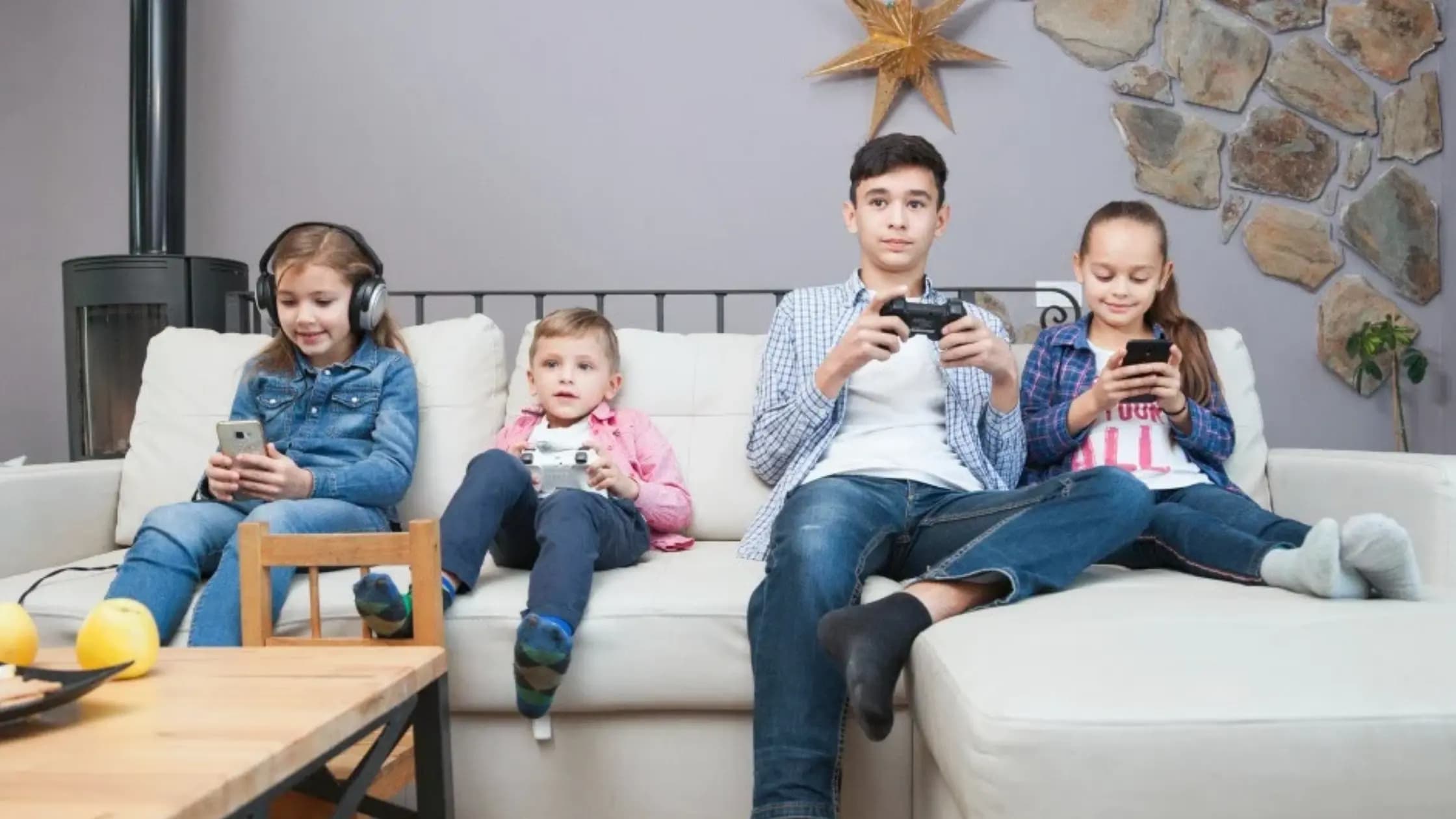
Most kids want to play video games, which is very common nowadays due to rising technology, and gaming is a mode of entertainment for kids. The problem arises when these gaming habits become addictions. So then it becomes a problem for the parents, as the kids don't realize the side effects, but they also see the long term.
How can you, as a parent, understand your child is addicted to games, and what are steps any parent can take to solve this problem? Let’ look into the details in simple steps:
Signs Your Child Might Be Addicted to Video Games
Everything is good until it becomes an addiction. We know this. As a parent, it is important to understand if your child is playing games on smartphones just for fun or if this has become their addiction. To know about the addiction, just look for these noticeable signs that your child might be spending a lot of time just gaming and slowly building addiction:
- Neglecting Responsibilities: Ignoring homework, fun activities, or family time.
- Mood Swings: Irritability or frustration when asked to stop playing or while taking a mobile.
- Health Issues: facing issues related to eyes like red eyes, eye strain, headaches, or lack of sleep and feeling sleepy during the day.
- Social Withdrawal: Preferring games to spending time instead with friends and family.
- Constant Focus on Gaming: Talking only about games or showing anxiety when away from screens.
Why Kids Love Video Games
Before setting limits, it helps to understand why kids are so fond of video games:
- Sense of Achievement: Games offer challenges and rewards that make kids feel games have different levels to be accomplished.
- Social Connections: Online games help them make friends with chat, and they enjoy playing together in real-time.
- Escapism: Games help kids to escape from the real world and enjoy the simulation, as games are a way to escape stress or boredom.
How to Set Healthy Limits on Gaming
Here are some actionable steps to balance screen time and other activities:
Create a Daily Schedule
Having a routine that includes dedicated time for schoolwork, outdoor play, meals, and gaming. For example, limit gaming to 1 hour a day after completing homework and chores.
Set Clear Rules
Create strict rules on video games like not using smartphones during meals or before bedtime. Stick to these rules consistently.
Encourage Other Activities
Introduce fun alternatives like sports, puzzles, or arts and crafts. Spend quality time together as a family to shift their focus.
Use Parental Controls
Utilize built-in tools on gaming consoles or apps to limit playtime. These tools can help enforce boundaries without constant reminders.
Be a Role Model
Show your child how to balance screen time by practicing it yourself. Avoid excessive phone or TV use around them.
Have Open Conversations
Discuss why limits are important for their health and development. Make it a two-way conversation where they feel heard.
Dealing with Resistance
Your child might initially resist these changes, and that’s okay. Here’s how to handle pushback:
- Stay Calm: Avoid arguments or punishments. Stay firm yet understanding.
- Reward Positive Behaviour: Acknowledge their efforts to stick to the rules with praise or small rewards.
- Seek Professional Help: If gaming continues to interfere with their well-being, consider consulting a counsellor or therapist.
Benefits of Limiting Gaming Time
Creating healthy limits for your child is not being rude to them, it’s for their betterment. Here’s what your child gains:
- Better Sleep: Less screen time leads to improved rest.
- Improved Focus: Less distraction can improve your child’s overall focus.
- Stronger Relationships: Having extra time for family and friends will help in building relationships.
- Healthier Habits: Developing other healthier habits is the key creating more time for outdoor activities supports physical and mental well-being.
Summary
While playing video games in moderation is not bad, they are not harmful. While some games, like chess, can assist your child in improving their cognitive abilities, others might not be very beneficial to their development. You can teach your child valuable life skills like time management and self-discipline by establishing appropriate limits. Finding the ideal balance is crucial to preventing gaming from taking over other significant aspects of their lives.
Since every family is unique, make a plan that suits both you and your child. Be willing to adjust as necessary. You can help your loved one enjoy games while keeping your attention on the important things if you have a little patience and empathy.
