Wooby

Best Sleep Positions for Kids: Age-Wise Guide
Published On: 24 September 2026
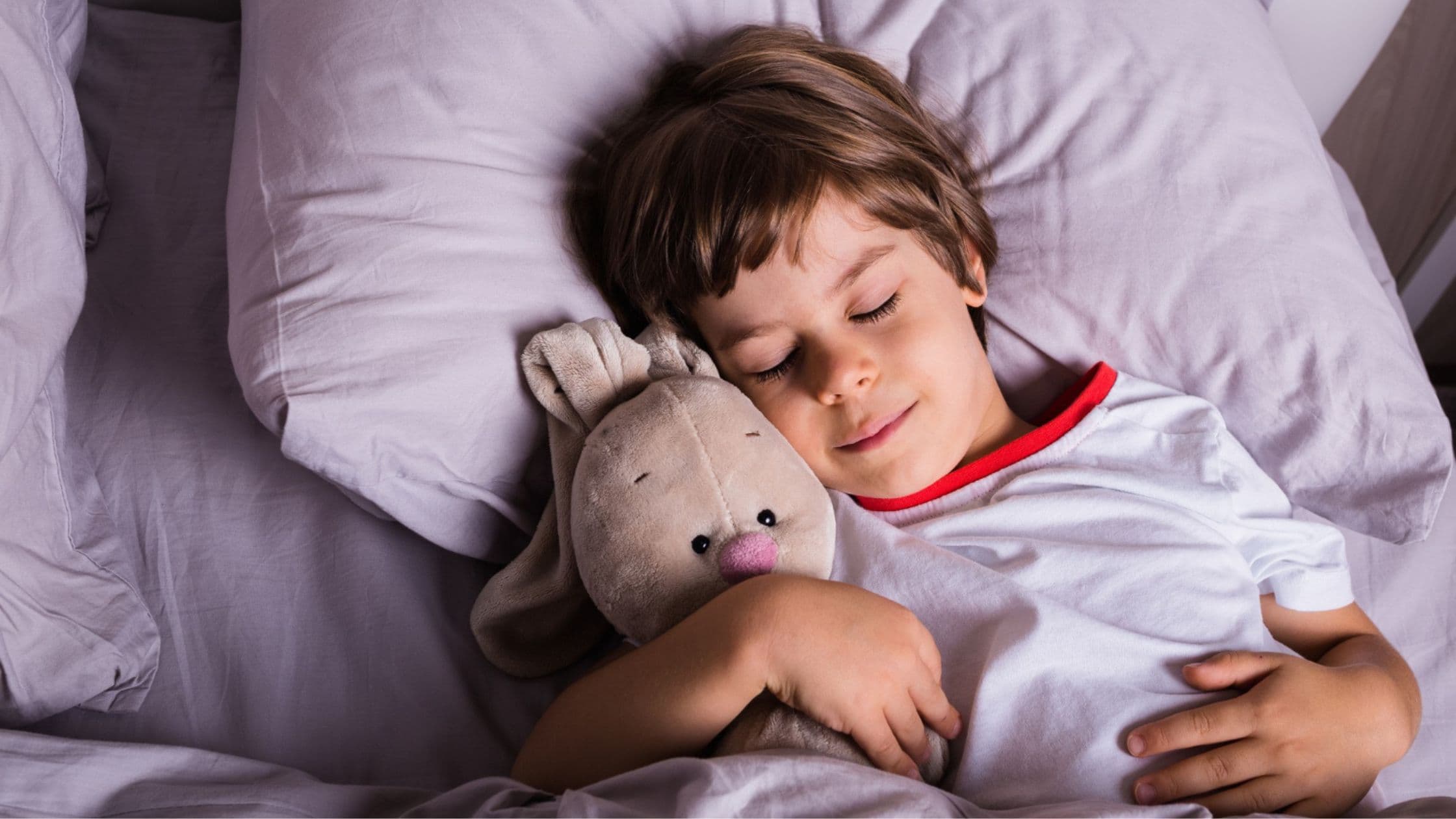
As parents, we want our kids to sleep comfortably and safely so that they can have rest during the time and get energized during the day. Sleep can have a direct impact on their physical development, safety, and comfort. Today we will break down the ideal sleeping positions for kids as per their age. A parent must advise their kids for proper sleep and body structure, which ultimately benefits sleep, development, and growth. So let’s cover simple advice that all parents want to be aware of:
Table of Contents
Newborn to 12 Months: Safe Sleep Practices First
Best Position: Back Sleeping
As advised by experts, a baby sleeping on their back is the safest position for infants under one-year-old. A newborn baby may be at risk for Sudden Infant Death Syndrome (SIDS), which is reduced by this position. Make sure they sleep on a comfortable, soft surface made of either a blanket or fluffy material. Also make sure that they have a boundary of pillows or toys for extra safety.
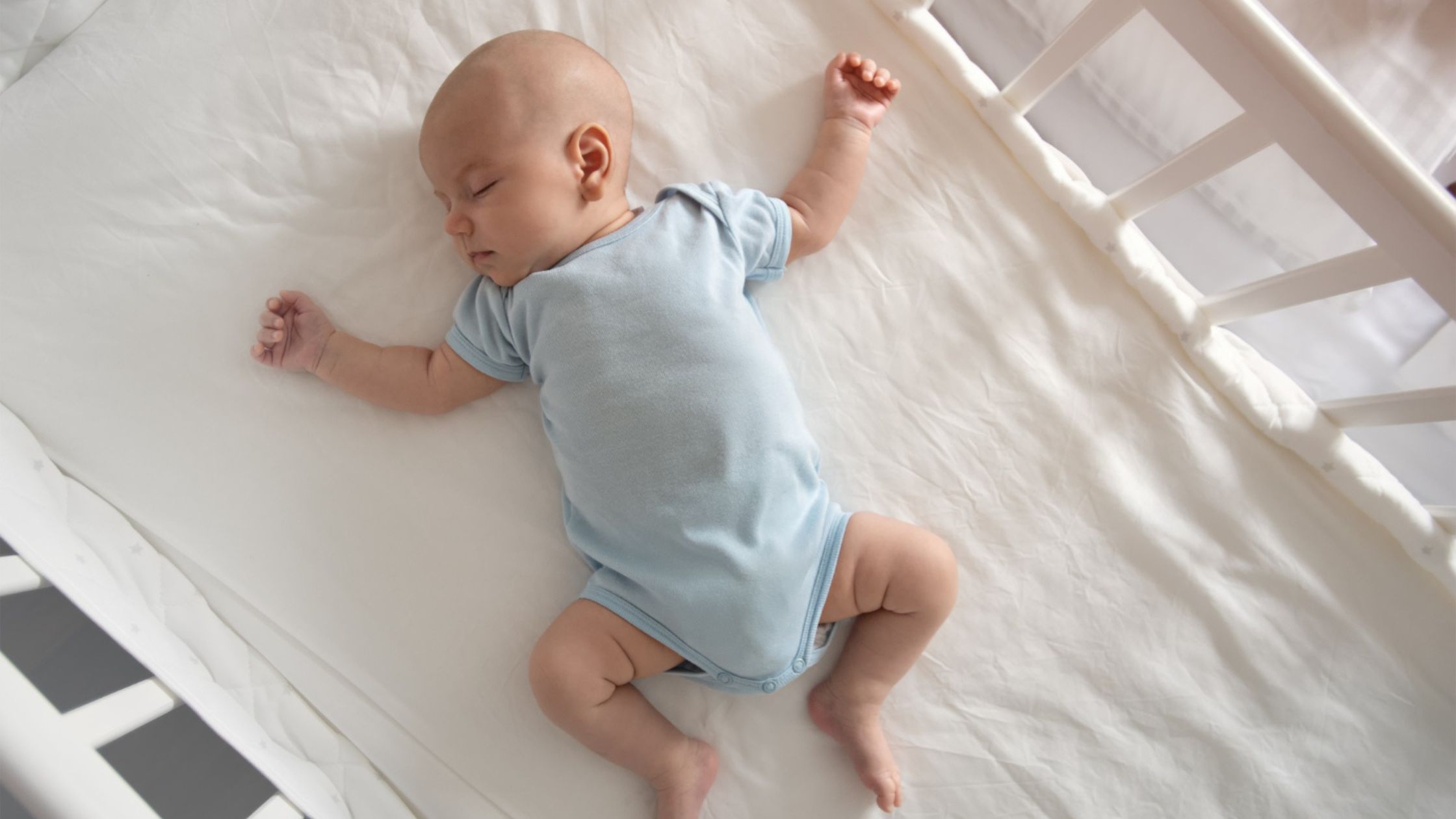
Why Back Sleeping Is Best:
- Keeps their face open to breathe easily without the risk of suffocation.
- Prevents overheating as their face remains exposed to fresh air.
- No pressure on their face, which can reduce pain and marks on the face.
Tips for Safe Sleep:
- Your little baby should be sleeping on a firm, comfortable mattress with a clean bedsheet that must be fitted.
- For extra safety, keep cosy animals toys around them as a boundary or pillow when they are sleeping on the bed and blankets above the crib.
- Instead of using heavy blankets, try using infant warmers, like using a swaddle or sleep sack.
What to Avoid:
Avoid one-side or tummy sleeping for babies under 1 yr, as these positions can increase the risk of suffocation and more.
Reference:
1 to 3 Years: Transition to Comfort
Best Position: Back or Side Sleeping
As your child grows, their body starts to develop a bit more strongly, and the muscles of their neck start to strengthen, reducing the association with certain positions. While back sleeping remains a good option, side sleeping becomes acceptable after their first birthday.
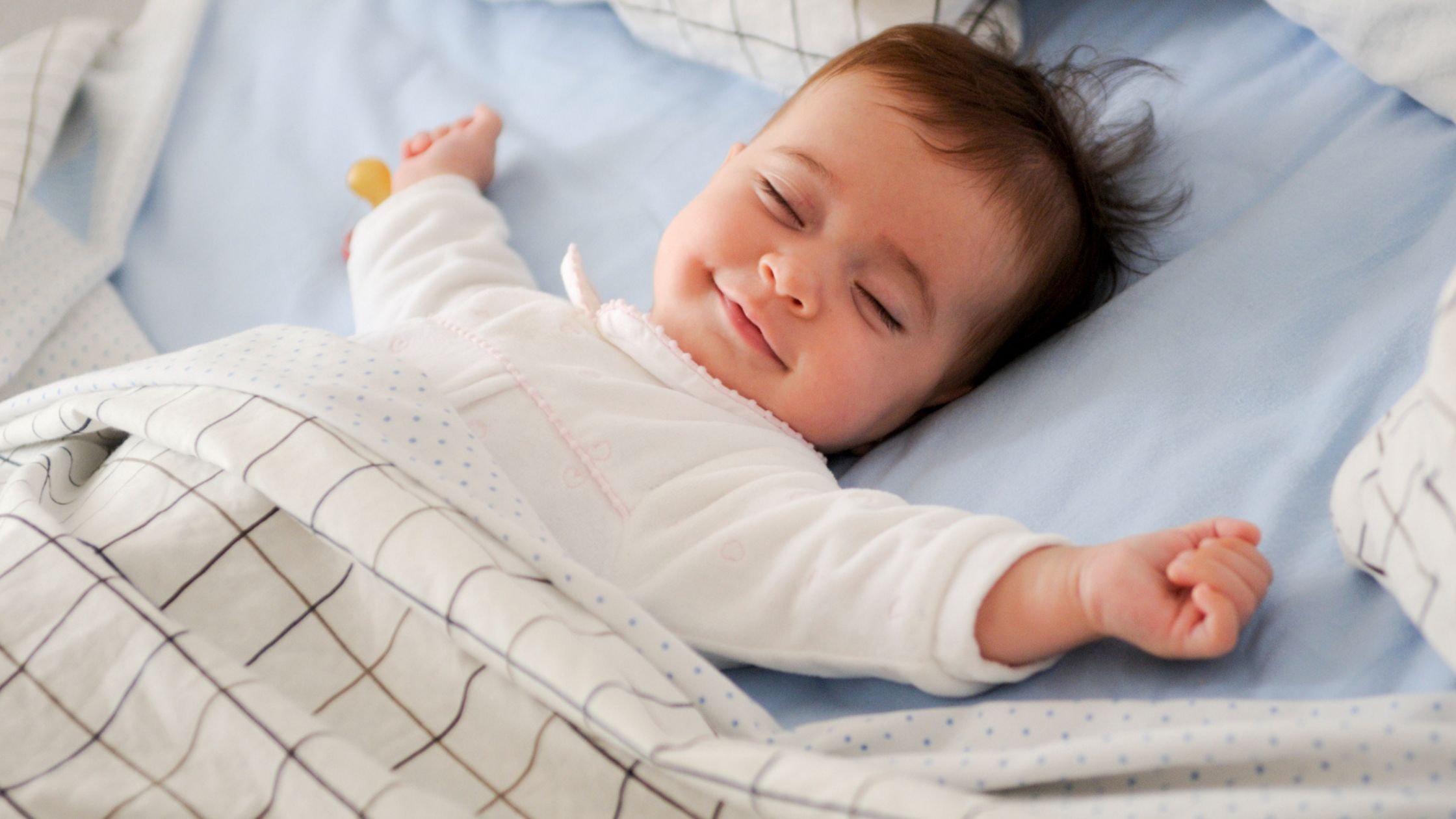
Why Back and Side Are Good:
- Back sleeping can promote airway management and safety so that they can breathe well without any problem.
- Side sleeping can be a bit comfortable for some kids as they start developing.
Tips for This Age Group:
- If your child moves to a toddler bed, ensure the surrounding space is safe in case they roll out.
- Provide a small, supportive pillow designed for toddlers (optional).
What to Avoid:
Make sure that they do not sleep on their stomach for a long time, and try improving it if you see that, as it can turn into a habit. Unless they naturally roll into that position, they will switch automatically.
Reference:
https://www.ncbi.nlm.nih.gov/books/NBK470403/
3 to 6 Years: Growing Independence in Sleep
Best Sleeping Positions: Back, Side, or Tummy Sleeping
By this age, kids have more control over their sleeping positions normally and tend to find what feels most natural to them. All three positions, like back, side, and tummy sleeping, can be fine as long as they are comfortable and have no health issues.
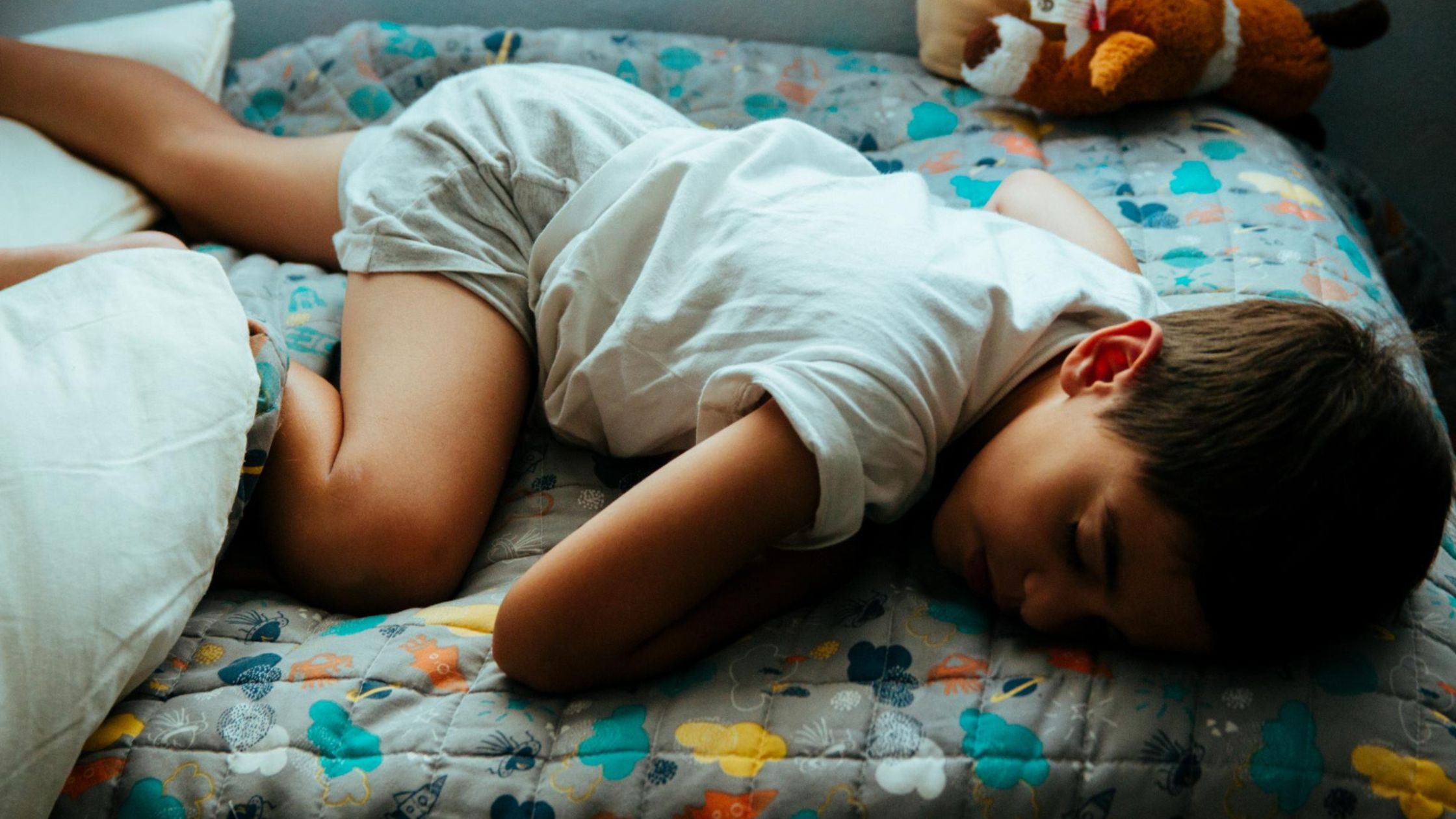
Why It’s Safe:
Their airways are developed enough to handle different positions.
Natural rolling during sleep is common and considered safe (make sure that your bed is not elevated at a very top location).
Tips for Healthy Sleep:
- Choose a supportive mattress to align the spine and promote growth.
- Keep their sleeping area free of allergens to prevent disruptions.
- Encourage consistent sleep routines to ensure proper rest.
What to Monitor:
See a paediatrician if your child has breathing difficulties while they sleep or snores a lot.
6 Years and Beyond: Comfort and Posture
Best Position: What Feels Best for Them
Older kids develop strong preferences for how they sleep. At this stage, comfort and good posture are key to supporting their growing bodies.
Ideal Sleeping Postures:
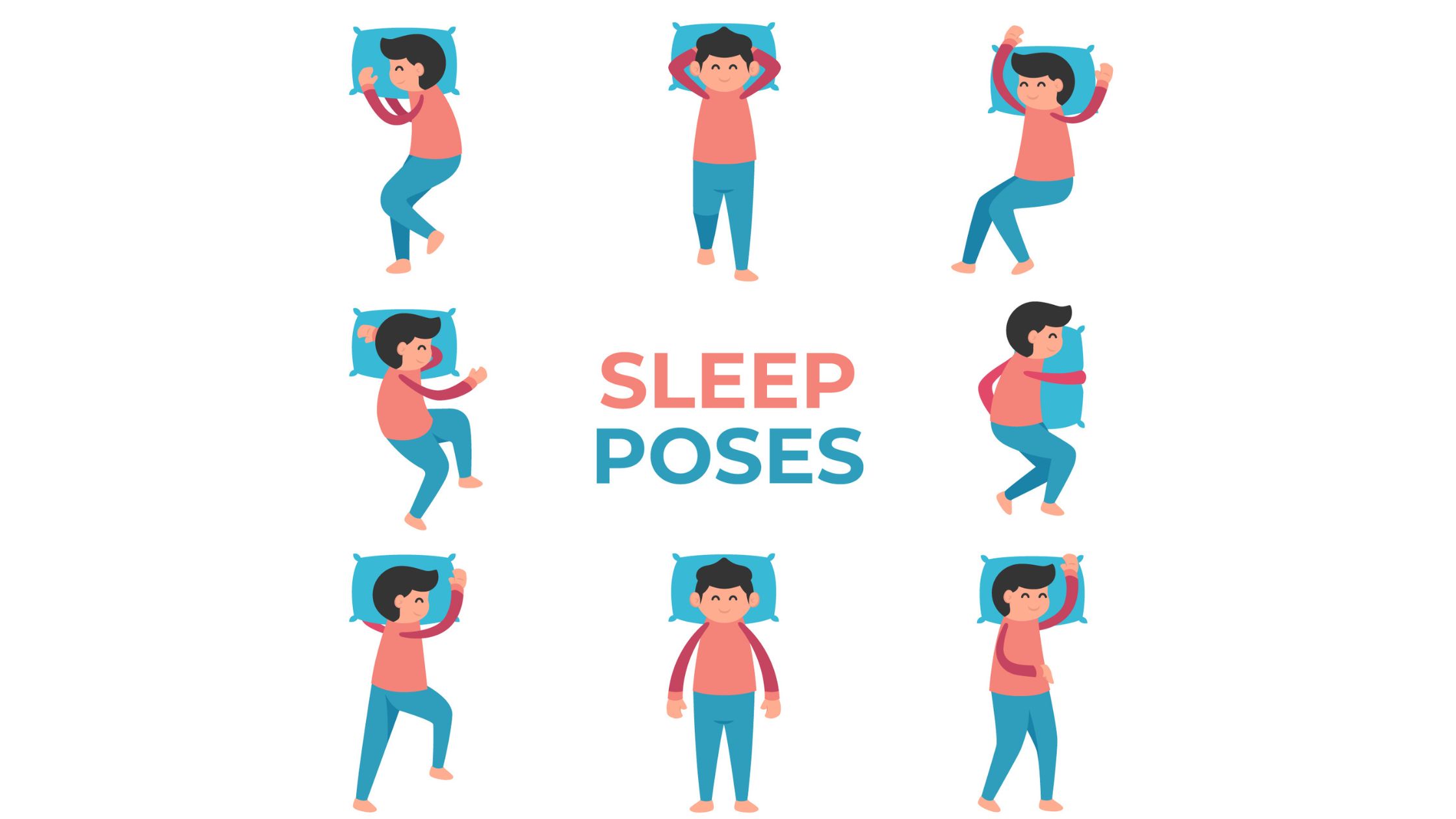
- Back: Prevents pressure on the spine and supports growth.
- Side: Reduces snoring, back pain and helps with digestion.
- Tummy: May feel cosy but ensure their mattress is firm enough to support healthy alignment.
Tips for Optimal Sleep:
- Basic body stretching before moving to bed offers the body a bit more relaxed sleep.
- Make sure that they have a good pillow that perfectly supports their neck and spine.
General Tips for Everyone:
- Room temperature plays an important role in changing your child mood, keep the room cool and comfortable to prevent overheating or cold as per the weather.
- Consistent bedtimes help your child sleep more deeply and wake up refreshed, but kids are very moody they can have their own sleep time when they are small.
- Limiting screen time reduces many problems, avoid giving your child much exposure to digital screens and sets a trick rules accordingly.
- Disturbed sleep can make everything frustrating and low energy all the day, it can be a result of bad sleeping positions and environment.
Why Proper Sleeping Positions Matter for Growth
- For Infants: A good and comfortable sleeping position ensures easy oxygen flow and prevents suffocation risks.
- For Toddlers: Good posture supports their developing spine and joints.
- For Older Kids: Quality of sleep in the right position promotes better brain development and overall health.
Summary
Sleeping time is not just only for the body to rest, it's a time when growth and development take place, so make sure your child sleeps in a comfortable and proper position, as it plays an important role in their safety and comfort. These small changes build healthy habits in the long term, a safe sleeping space and gentle guidance help them grow with confidence.
As every child is different, look for what suits your child best. Don’t hesitate to consult your paediatrician if you have any concerns about your child’s sleep cycle, they would give you a better solution and guidance.
