Wooby

5 Surprising Benefits of Dinner Table Conversations for Healthy Eating Habits
Published On: 24 September 2026
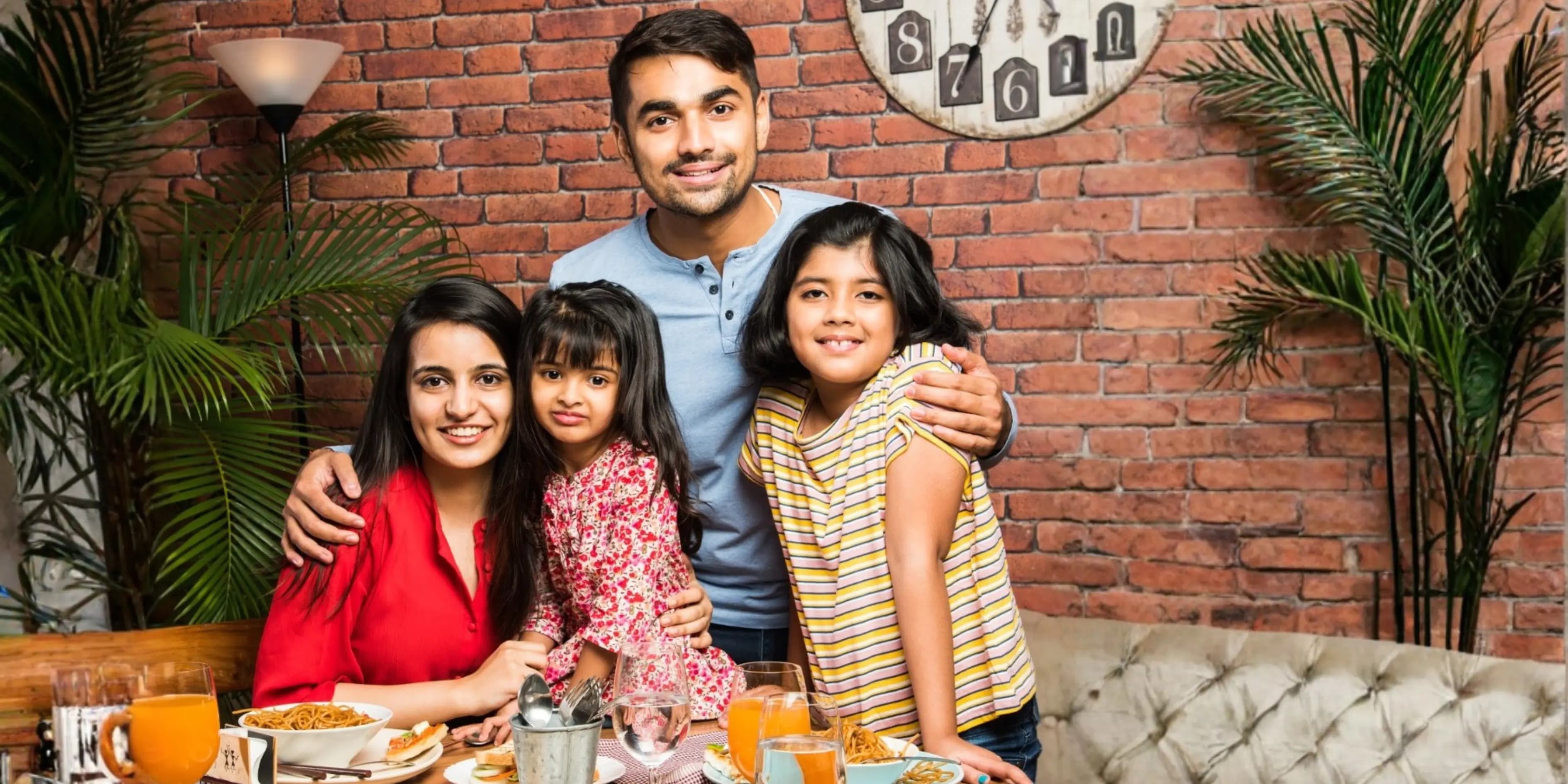
As a parent, you always look for the best ways to communicate and educate your child, but you are stressed about the best time to start. Did you know the dinner table isn’t just a place for plates and forks? It’s your family’s hidden superpower, isn't it? That’s right! Sitting down for a meal together can impact positively on your kid’s eating habits, social skills, and even their emotional health. Let’s learn how your nightly dinner ritual can become the ultimate family bonding-creating experience and teach some pretty amazing life lessons along the way to your loved ones. As eating together is a sign of being together, we can’t let go of this time watching Television or using a Smartphone.
Why Dinner Table Chatter Matters
We all know that eating together is important, but the magic really happens when the conversations start. It’s more than just asking, “How was your day?” It’s about creating a space for connection, laughter, and a sprinkle of life lessons. Make sure to stick to positive talk as negative chats can lead to a negative environment.1. Food + Fun = Healthy Habits
When kids see you happily munching on broccoli or trying new foods, they’re more likely to give it a go too. As kids just mimic what they see and hear. Talk about the food on their plate where it comes from, why it’s good for them, or even how it was cooked. It’s an easy way to spark curiosity and encourage healthier choices.
Pro Tip: Get your kids involved in the kitchen. Let them pick a veggie or help stir the soup. They’ll be so proud to eat something they helped make and ultimately would make them feel they made the food and will make them eat positively.
2. Building Bonds, One Bite at a Time
Dinner time is like glue for your family as it brings everyone closer. Sharing stories, jokes, or even those little “oops” moments from your day creates memories that last forever. Plus, kids who feel connected at home tend to make better decisions in other areas of their lives.
Try This: Ask fun questions like, “If you could have dinner with a cartoon character, who would it be?” or “What’s the craziest thing that happened today?”
3. Teaching Life Skills Without Lectures
The dinner table is a no-pressure zone where kids can learn how to share their thoughts and listen to others. It’s like a mini life-skills workshop, they’ll pick up good manners, respect, and even problem-solving just by being part of the conversation.Bonus Idea: Share “one good thing and one tricky thing” about your day. It encourages everyone to open up and problem-solve as a team. The goal should be to make them start connecting and then to start learning, even without them knowing.
4. Routines That Stick
When dinner happens at a set time, it creates a sense of structure that kids thrive on. Plus, home-cooked meals are usually way healthier than fast food. Goodbye random snacking, hello balanced eating. A Balanced diet is key to healthy eating and a good body.
Quick Win: Even if you can’t do family dinner every night, aim for a few times a week. Consistency is what counts!5. Unplug and Reconnect
Let’s face it, screens are the biggest dinner table villains. As a parent, you should also avoid using phones at dinner time or come with a no phone policy. Removing them from the table encourages everyone to focus on the people (and food) in front of them. You’ll be amazed at how much more fun mealtime becomes.Family Rule: “No phones at the table!” Make it a game, whoever reaches for their phone first does the dishes!
How to Make Dinner Table Talks More Fun
Not sure how to keep the conversation rolling? Don’t worry, we’ve got your back:- Play Themes: Turn Tuesdays into “Taco Tuesday Talk” where everyone shares a silly story while munching tacos.
- Create a Question Jar: Fill a jar with fun questions like “What’s the best thing you’ve ever eaten?” and pick one each night.
- Team Cooking Night: Let the kids help cook it makes dinner feel like a team effort.
- Storytime: Share funny or inspiring stories from your childhood.
The Bigger Picture: Why It All Matters
Regular family dinners don’t just fill bellies as they fill hearts. Studies show that kids who eat with their families:
- Do better in school.
- Have higher self-esteem.
- Are less likely to engage in risky behaviors.
Start Your Family’s Dinner Tradition Tonight
The dinner table isn’t just about food, it's where your family’s magic happens. So, grab a plate, gather your crew, and let the laughter (and healthy habits!) begin. It’s time to make your kids learn and develop social skills so that they can have a positive personality. Love and learn together with your kids at the dinner table.
