Wooby

The Science of Happy Kids: How Nutrition Affects Mood
Published On: 26 September 2026
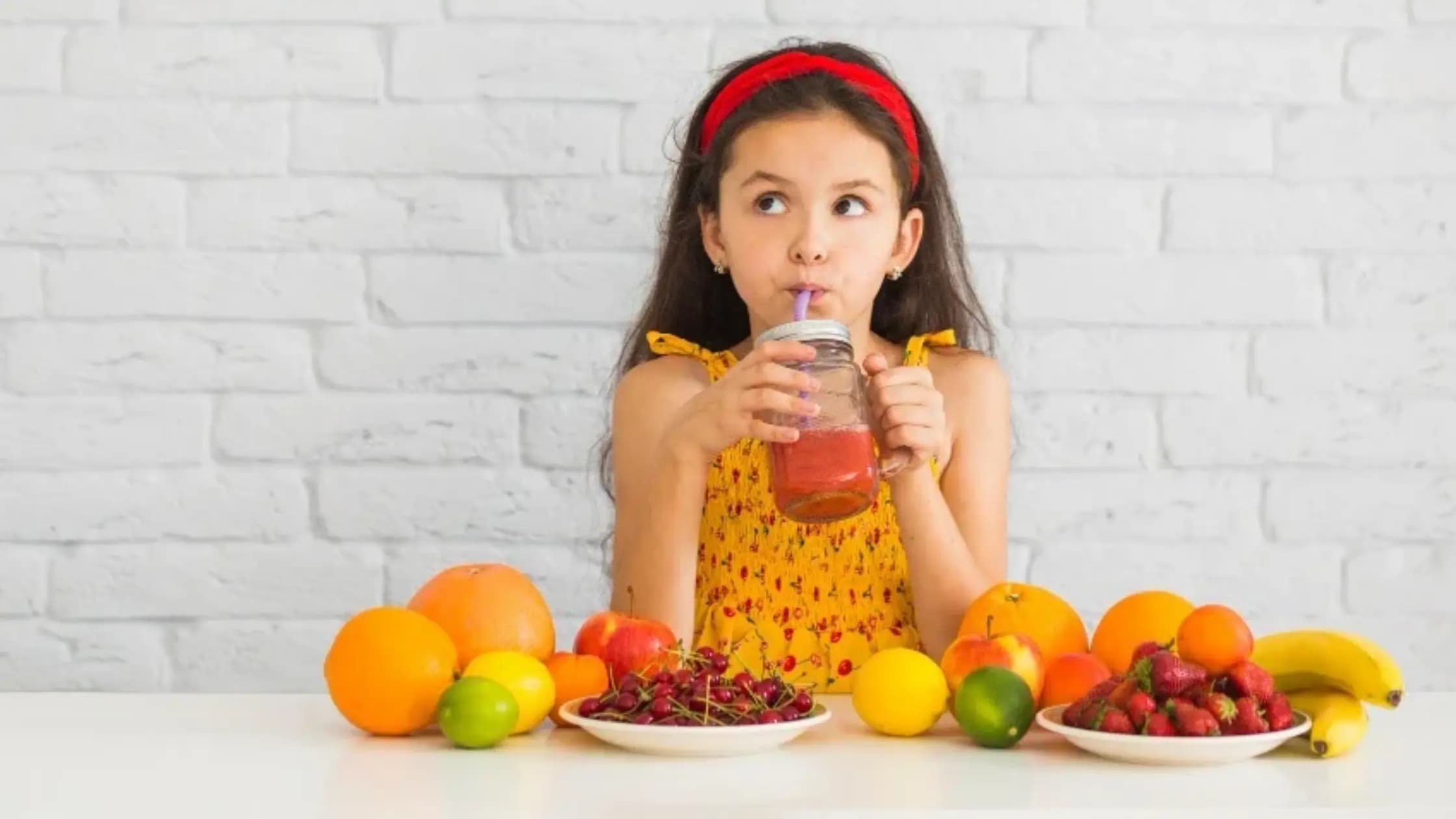
What a parent wants is very simple, to give their children the best life possible. Along with hugs, playtime, and encouragement are an essential part of encouragement, did you know that children's moods can also be greatly influenced by the foods they eat throughout the day? Yes, food isn’t just about filling tummies that can only lead to overeating and the goal should be to provide a balanced diet for holistic growth. It can help change how kids feel and act throughout the day. Let’s talk about how nutrition affects mood and explore why something as simple as gummies with Omega-3 or Vitamin D might just become your secret weapon for happier kids.
How Food and Mood Are Connected
Imagine your child's brain as a tiny engine that requires the proper fuel to function properly. They have to perform multiple tasks and always need to have fun. When they get the right nutrients, they feel more energetic, focused, and happy. But when they did not receive the requirement? Well, you might notice crankiness, tiredness, or even mood swings. Here are a few ways food directly affects your child’s mood:- Balanced Energy Levels: Sugary snacks most of the time may give a quick burst of energy, but they’re often the source to get quick energy, as sugar in excess is bad for health in the long term. Healthy meals with proteins, whole grains, and fruits keep energy steady, so kids can feel great all day. Yes, choosing the right source of fuel is most important.
- Happy Gut, Happy Kid: The gut and brain are connected. That’s why people follow their gut feeling and think when their gut health is not good. Consuming foods rich in fiber, some of which commonly known examples are fruits, vegetables, and whole grains, promotes intestinal health, which in turn aids in the production of serotonin, a naturally occurring mood enhancer.
- Essential Nutrients: Lack of proper vital nutrients in like vitamin D or omega-3 fatty acids can cause difficult to maintain a positive attitude and mood imbalance in children with these deficits, make sure to consult a pediatrician for proper diagnosis. These nutrients support healthy brain function and controlling moods. The secret to your children's overall growth is keeping the right balance.
Omega-3: The Brain’s Best Friend
For your child's brain, omega-3 fatty acids are like superhero, this is essential for proper brain development in children. Omega-3s, which are frequently found in foods like fish, walnuts, and flaxseeds, support your child's brain growth and mental well-being. But let’s be real, how many kids jump at the chance to eat fish or nuts? The answer would be very few, intentionally.
Why Omega-3s Matter:
- They help in the production of "happy chemicals" like serotonin and dopamine in the brain.
- By lowering inflammation in the brain, omega-3 fatty acids can enhance concentration and lessen stress.
- According to studies, children who consume adequate Omega-3 fatty acids are less likely to experience mood swings or anxiety.
Vitamin D: Sunshine Vitamin
We all know that sunshine makes people happy, and that’s partly because of Vitamin D! This vitamin is essential for emotional health and is linked to how the brain regulates mood.
Why Kids Need Vitamin D:
- It helps produce serotonin, which keeps kids calm and happy.
- A lack of Vitamin D can make kids feel tired or even a little down, especially during winter when they’re not getting as much sunlight.
- Regular Vitamin D intake can support better focus and overall happiness.
Easy Tips for Happy Eating
Want to make mealtimes a little happier? Here are some playful, real-world tips that are loved by every parent and mandatory to check:
- Play “Hide the Veggies”: Got a picky eater? Sneak extra veggies into meals. Blend spinach into their morning smoothie, grate zucchini into muffins, or add carrots to pasta sauce. They’ll never know, and have the fun and love the taste, and you’ll feel like a kitchen hero.
- Turn Gummies into a Game: Make Omega-3 or Vitamin D gummies part of their routine by pretending they’re superpower boosters. Say, “This gummy will give you superhero brain power!” Watch how quickly they eat it up.
- Snack Stations for the Win: Set up a snack station with healthy grab-and-go options. Think sliced apples, baby carrots, cheese sticks, or mini whole-grain crackers. Let your kids pick their favorite healthy snacks.
- Let Them “Cook”: Kids love to feel included. Give them simple kitchen tasks like stirring batter, choosing fruit toppings, or making their own yogurt parfaits. When they help make it, they’re more likely to eat it.
- Water, But Make It Fun: Hydration doesn’t have to be boring. Add a slice of lemon, a few berries, or even a fun straw to make drinking water exciting. Dehydration can lead to crankiness, so keep those water bottles handy. Gift them a beautiful water bottle to meet their water requirements
- Rainbow Challenge: Challenge your kids to eat as many colors as they can in a day. Red apples, orange carrots, green cucumbers as it’s like a tasty treasure hunt for nutrients.
Summary
Raising your child with happy, healthy habits is all about creating balance in routines, their playtime, and yes, their nutrition. By adding foods that fuel their mood, like Omega-3s and Vitamin D, you’re giving them a solid foundation for their health journey. And don’t stress if they’re picky eaters. Small, consistent changes add up over time.
Next time you see a gummy with Omega-3 or Vitamin D, think of it as more than a supplement, it’s a little boost of happiness in disguise. Here’s to happier, healthier kids, one bite (or gummy!) at a time.
