Wooby

5 Simple Ways To Increase Protein Intake For Vegetarians
Published On: 29 September 2026
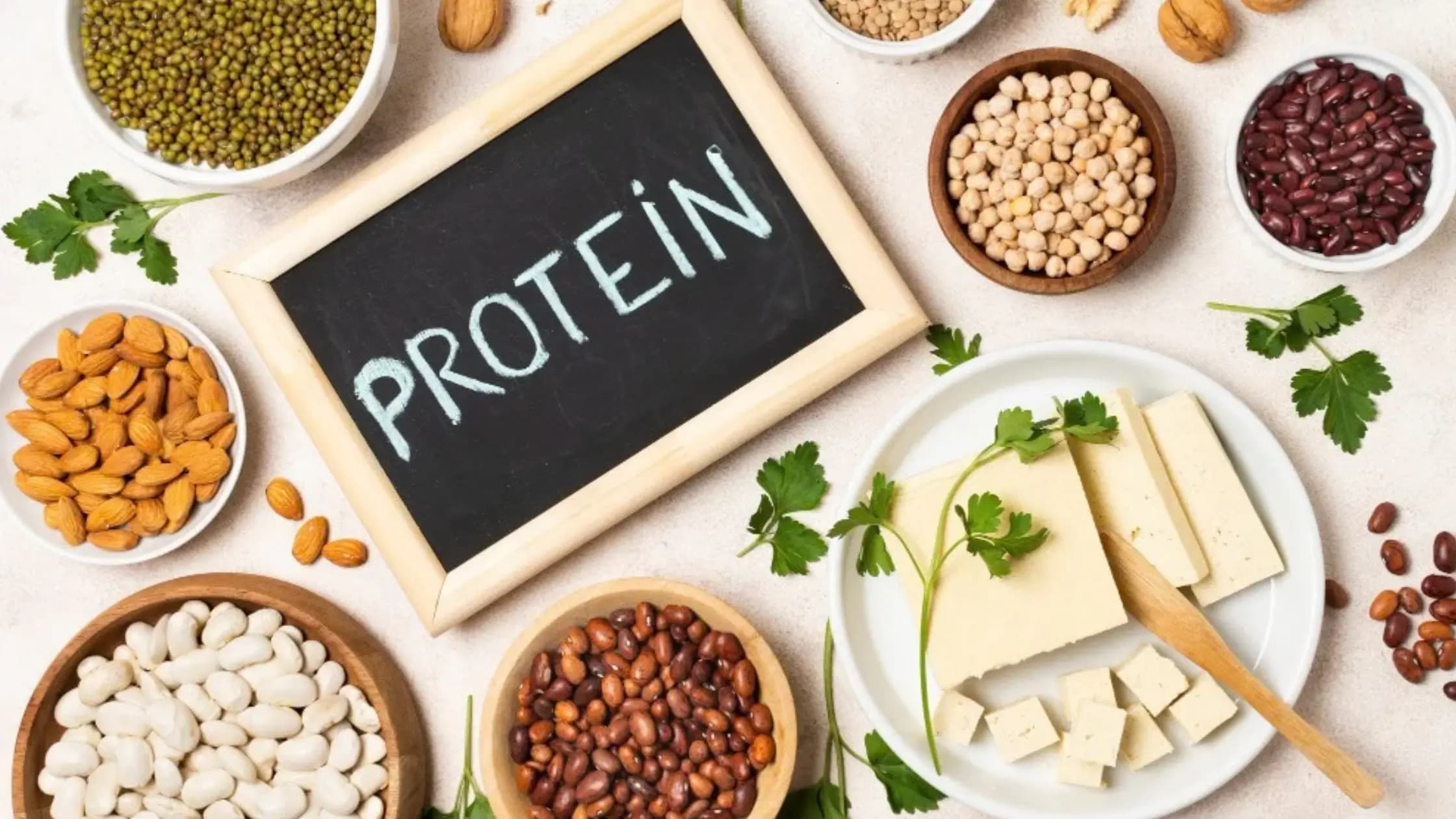
Fulfilling your protein requirements is something that every vegetarian parent is obsessed with and tense about, but you don’t need to do that now, today we will help you with that share with some easy-to-get and make source of protein. Both kids and parents can enjoy tasty, protein-rich foods with just a little creativity. Here are five simple and practical ways to boost protein intake while keeping meals exciting and balanced.
1. Include Legumes in Daily Meals
Kidney beans, black beans, chickpeas, and lentils are examples of high-protein legumes that are widely known. They are easy to get and just require you to cook them in the cooker, and you have your protein-rich meal ready. This is how you can include them in your meals:
- For Kids: Make creamy lentil soups or hummus dips for their veggie sticks.
- For Parents: Make filling bean curries for lunch or dinner, or combine boiled chickpeas into salads with some chaat masala on top for more taste.
- Pro Tip: Legumes become even more nutritious when sprouted, which benefits the health of your family. You can make a sprout chart and have it with your kids as a snack.
2. Use Dairy Products as Protein Boosters
Dairy products like milk, yogurt, and cheese are packed with protein and are incredibly versatile. Make sure to make curd and yogurt at home, as they get more natural and fresh with an amazing taste. Milk products are common in Indian households for meeting protein requirements.
- For Kids: Serve cheese cubes as a snack or blend milk or yogurt into smoothies with their preferred fruits. You can sweeten milk dalia, kheer, etc. to enhance the taste and add more nutrients.
- For Parents: For a high-protein dinner, choose paneer-based meals like grilled paneer skewers or paneer bhurji.
3. Switch to Protein-Rich Grains
Compared with traditional grains like white rice, quinoa, buckwheat, and millets have more protein. They are frequently used in Indian homes and are available at most grocery stores. You may incorporate them into your diet and enjoy eating them, as well as playing with nutritious recipes.
- For Kids: Use quinoa to make colorful salads or add cooked millet to porridge for a filling breakfast.
- For Parents: Try substituting quinoa or millet in pulao, upma, or khichdi recipes for a nutrient-dense twist.
- Pro Tip: Combine grains with lentils to make complete protein dishes like dal khichdi or quinoa dosa.
4. Incorporate Nuts and Seeds
Nuts and seeds are tiny protein powerhouses that also provide healthy fats.
- For Kids: Spread almond or peanut butter on whole-grain toast, or sprinkle chia seeds over yogurt and smoothies.
- For Parents: Add a handful of mixed nuts to salads or grind flaxseeds to mix into chapati dough or dals.
- Pro Tip: Just to enhance and add some extra flavor to the nuts just slightly roast them this give extra crunchy flavor, and you can also try some different recipes accordingly.
5. Try Tofu, Tempeh, and Edamame
Tofu, tempeh, and edamame are excellent vegetarian protein sources because they are made from soy, and they are rich in protein content. These are some unique and protein-rich options you must try.
- For Kids: For an entertaining finger food, toss edamame with a little salt. For a delicious treat, marinate tofu cubes and grill them.
- For Parents: You can stir-fry tempeh with spices to eat with rice or roti, or you can add crumbled tofu to stir-fries.
Final Thoughts
Vegetarians sometimes struggle to meet their protein requirements, as non-veg items are marketed in a manner as they are the only option available in the market for a good source of protein, but now they may enjoy meeting their protein consumption by following these easy steps and using the above-mentioned items in their meals. You can make sure that parents and children receive the proper nourishment they require to remain active and healthy by adding these simple ingredients into your regular meals.
Remember, balance is important. To make meals that are as tasty and also are nourishing, combine these protein sources with whole grains, fruits, and veggies and enjoy them with your family and achieve your health goals together.
