Wooby

When Do Baby Teeth Fall Out? Complete Parent Guide
Published On: 24 September 2026
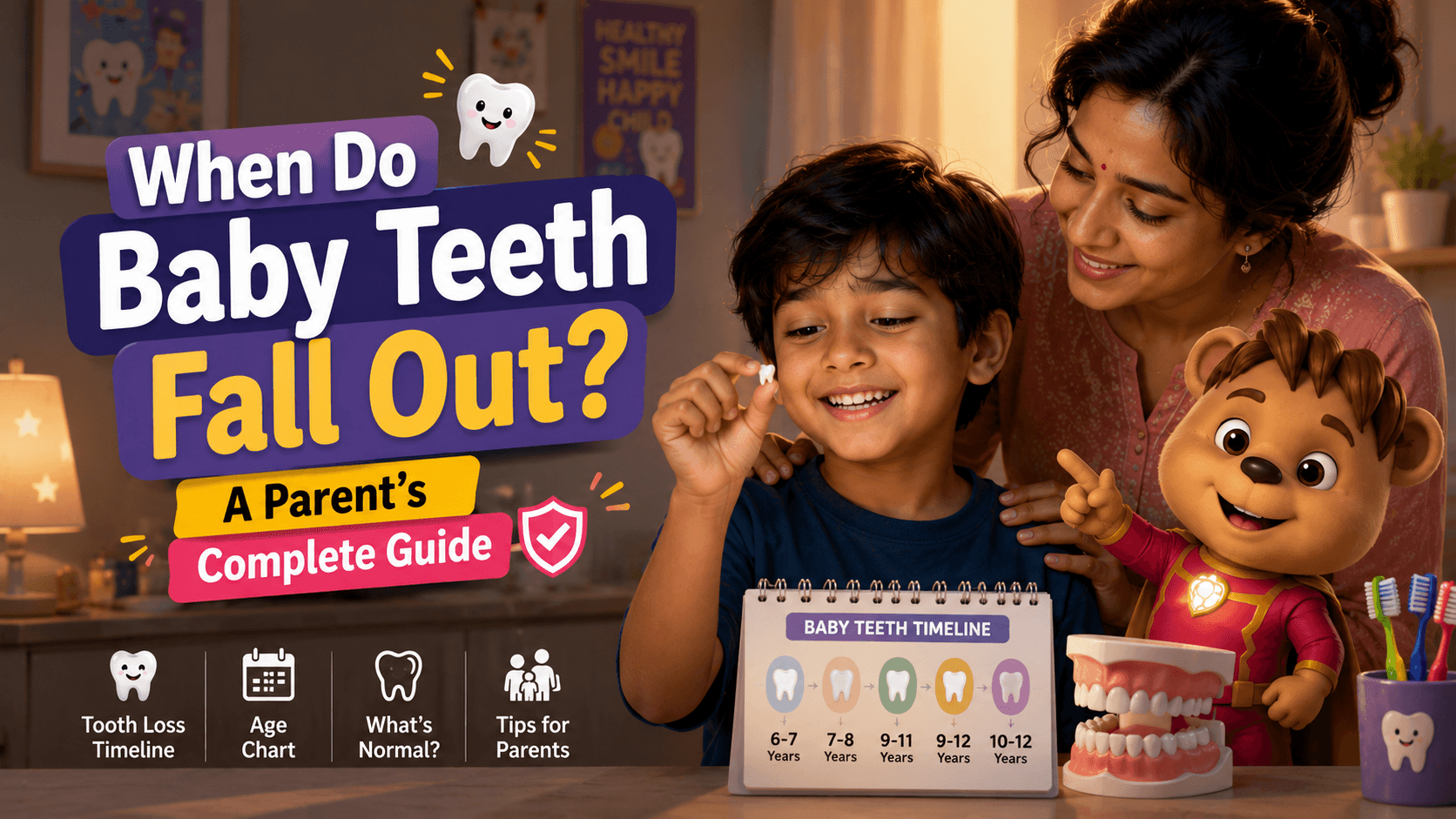
For parents looking to understand the natural progression of their kid’s dental development, questions such as “when do baby teeth fall out?” might arise.
Most kids typically begin to lose these primary teeth sometime around 6 years of age and continue until roughly 12 years of age. While each child will have some variation on their schedule, generally speaking, there isn’t anything overly concerning going on if the process takes just a bit more (or less) time than average. In general, baby teeth, also known as primary, or milk teeth, are critical for chewing, speaking, and properly guiding the eruption of permanent teeth into the right spot. Learning the timeline of your child’s baby teeth can help them feel prepared and knowledgeable regarding their upcoming changes.
So here’s everything you need to know regarding when babies' teeth start to drop out.
Quick Answer
The majority of kids lose their very first baby teeth somewhere in the 5 to 7 year-old range, and it often starts with either the lower front teeth. This stage continues with baby teeth falling out until most of the permanent teeth erupt, typically by 11–13 years old. It should be noted that small fluctuations in the timing are absolutely fine, as everyone develops uniquely, including in terms of dentition.
At What Age Do Baby Teeth Fall Out?
Every child gets 20 baby teeth total. falling out until most of the permanent teeth erupt, typically
However, these teeth don’t disappear altogether overnight but instead come out as their corresponding permanent teeth develop below and exert gentle pressure.
This means that the first ones to go missing tend to be those that appear along the front of the jaw (in particular on the bottom), with back teeth and molars being phased out later.
By twelve years of age, most children will have finished losing their baby teeth, though genetics and other factors related to growth may play a part in causing minor variations from this standard.
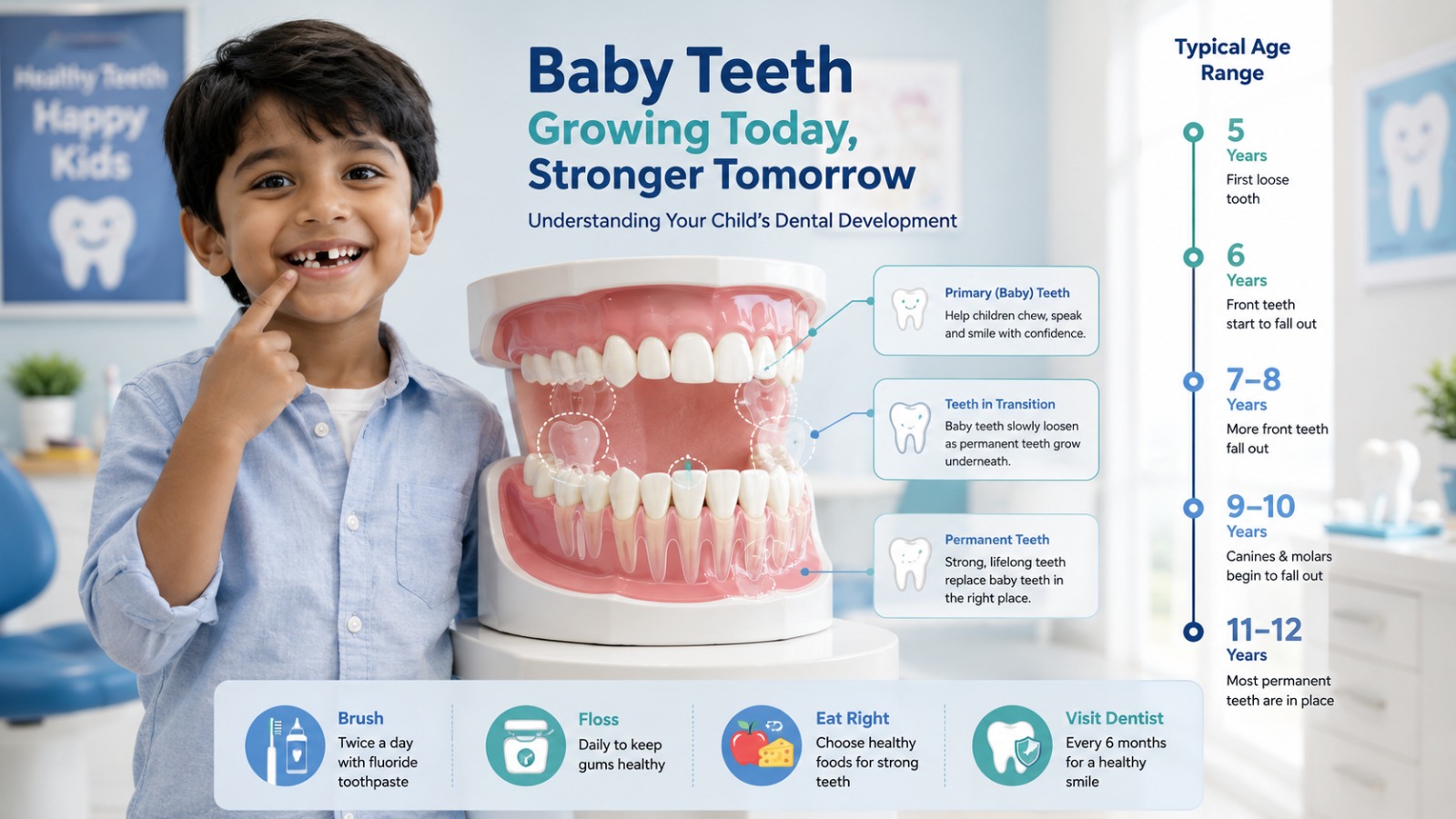
Baby Teeth Falling Out Timeline
Teeth generally follow the pattern in which they grew back for the most part.
Tooth Loss Age Chart
|
|
||
| Tooth | Average tooth Lost | Permanent tooth Appears |
| Central Incisors | 6 to 7 years |
6 to 8 years |
| Lateral Incisors |
7 to 8 years |
7 to 9 years |
| First Molars |
9 to11 years |
10 to12 years |
| Canines |
9 to12 years |
9 to12 years |
| Second Molars |
10 to12 years |
11 to 13 years |
Also, there might be a difference between the ages of several months or even one year if your kids’ dentist doesn’t have concerns about that.
Which Baby Tooth Falls Out First?
In most kids, the first loosening happens with the lower central incisors, the two bottom front teeth.
Soon after, your kid's top front teeth start falling out, too, giving them that adorable gap-toothed look they love showing off when they're between ages 6 and 7 years old, which is also when you might consider them a classic tooth fairy candidate.
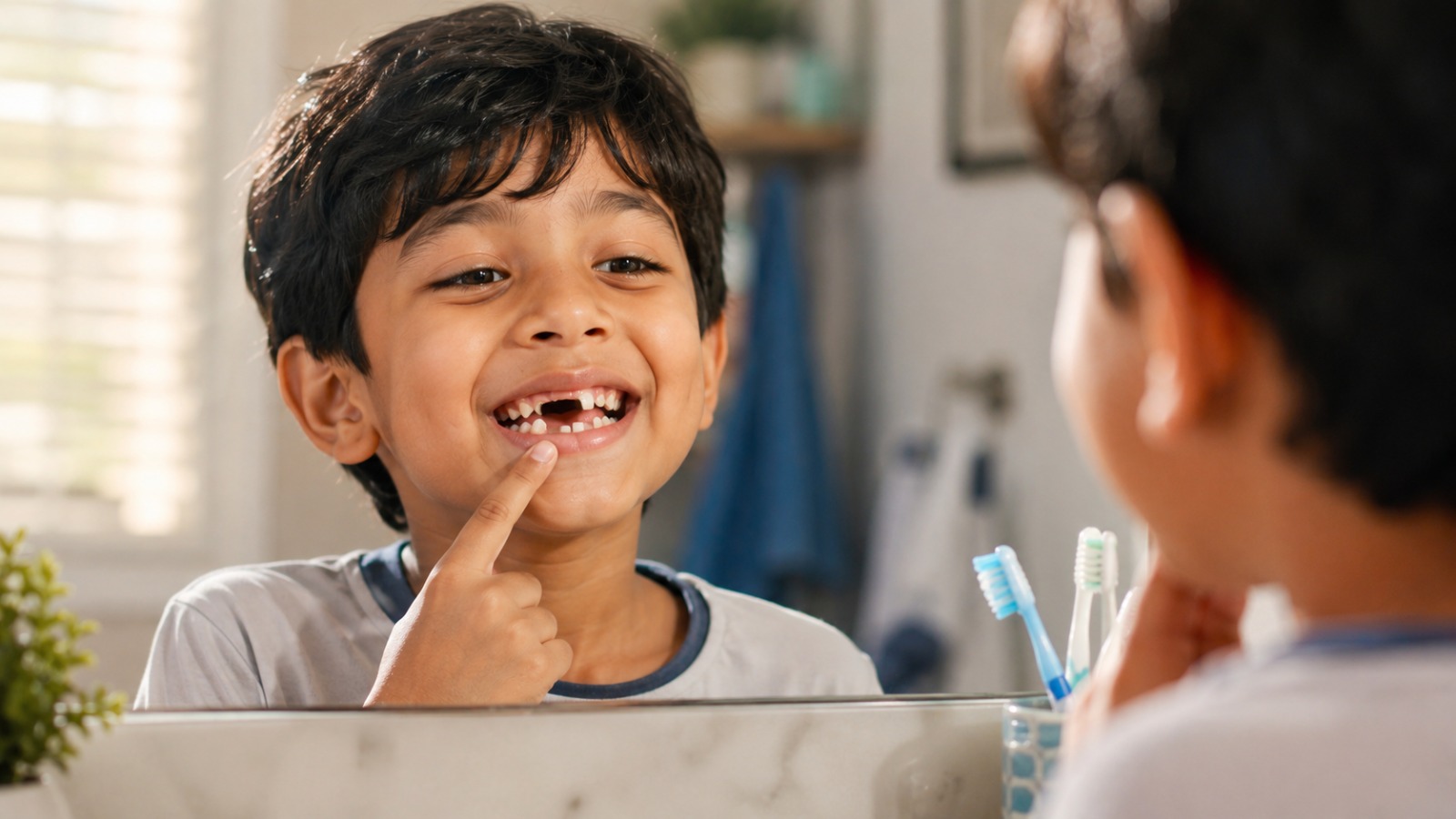
Signs Your Child Is About to Lose a Tooth
There are some typical signs that your little one might spot if you’ve got a baby tooth on its way to falling out.
Common Signs Include
- A loose or wobbly tooth.
- Mild gum tenderness.
- Slight discomfort when chewing food.
- Permanent tooth coming through either behind or under your baby tooth.
- Small gap forming between your baby’s closest teeth. All pretty normal things for your kid’s dental development.
All pretty normal things for your kid’s dental development !
What If Baby Teeth Fall Out Early?
Sometimes a child can lose their first baby teeth early, before they turn 5 years old.
There are many reasons why this happens.
Possible Causes
- A fall or injury to your child’s mouth.
- Tooth decay.
- Gum infection.
- Less commonly due to a medical condition.
If your child's baby teeth fall out much earlier than they should, you want to visit your pediatric dentist. It could impact how the permanent tooth grows in and will likely need a space maintainer.
What If My Baby Teeth Don’t Fall Out?
It’s normal for kids to start losing their first tooth anywhere from age 5 to 6 years old, but some babies might take longer. Some won’t drop their first tooth until age 7 (or even later).
Delayed Tooth Loss May Occur Because
- Your adult teeth are growing at a slower rate than usual.
- You have a family history of late dental development. There’s no sign of your permanent tooth; this occurrence is rare.
- The baby tooth stays in place.
If you’re worried that your kid will lose a tooth when they reach eight years of age, make sure to go for a dental evaluation.
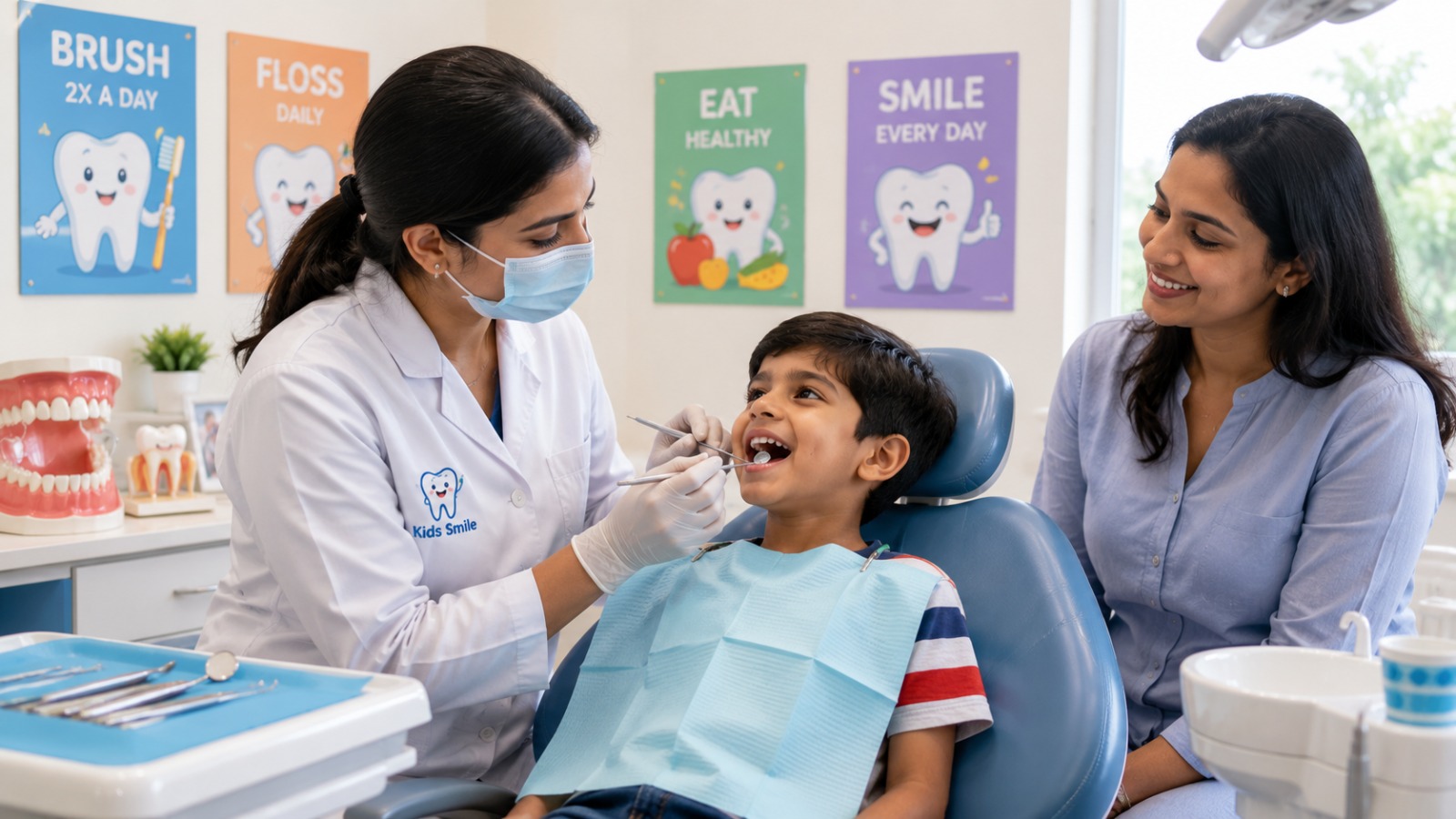
How to Care for Your Child During Tooth Loss
While losing teeth can be exciting news, remember to take good care of your dental health.
Help Your Child By
- Brush your child’s teeth at least two times every day using a soft-bristle toothbrush.
- Make sure they use a toothpaste that’s appropriate for their age.
- Encourage them to floss at least once per day.
- Avoid giving your child too many sugary snacks and beverages.
- Offer calcium-rich foods like milk, yogurt, and cheese.
- Encourage them not to pull on loose teeth too hard.
- Visit a pediatric dentist every six months.
- No teeth are loose at 8 years old.
- Severe pain or swelling occurs.
- A tooth gets knocked out from injury.
- Heavy bleeding follows tooth loss.
- There are signs of infection (pus or fever).
Expert Tip
Do not compare your child’s timeline for losing his/her baby teeth with siblings/classmates. A little difference in time periods for the baby teething drop out is normal. Concentrate more on having regular dental checkups & good oral hygiene practices for your kid.
Summary
Knowing When Baby Teeth Fall Out will help you be more prepared during your kid’s most anticipated moment. Most children start losing their baby teeth between the ages of 6 and 7 years old, but this process can last until age 12. Remember that every child is different, as each follows its unique growth pattern. You need regular visits with a dentist, maintaining great brushing hygiene, and eating healthy food to ensure better replacement of teeth throughout life.Taking care of your kid’s teeth will make sure the permanent ones come up nicely on the jawbone.
FAQs
When do baby teeth usually fall out?
Most children begin losing baby teeth between ages 5 and 7.
How many baby teeth do children have?
Children have 20 baby (primary) teeth.
Which baby tooth falls out first?
The lower front teeth (central incisors) usually fall out first.
Can baby teeth fall out at age 5?
Yes. This is within the normal range for many children.
What if my child is 8 and hasn't lost a tooth?
Schedule a pediatric dental checkup to rule out delayed eruption or other concerns.
Can loose teeth hurt?
Mild discomfort is common, but severe pain should be checked by a dentist.
Is it normal for permanent teeth to appear before the baby tooth falls out?
Yes, this can happen. If the baby tooth doesn't loosen soon, see a pediatric dentist.
How often should my child visit the dentist during this stage?
Routine dental visits every six months are recommended.
