Wooby

बच्चों के लिए अंग्रेजी में 40 सर्वश्रेष्ठ नैतिक कहानियाँ
Published On: 24 September 2026
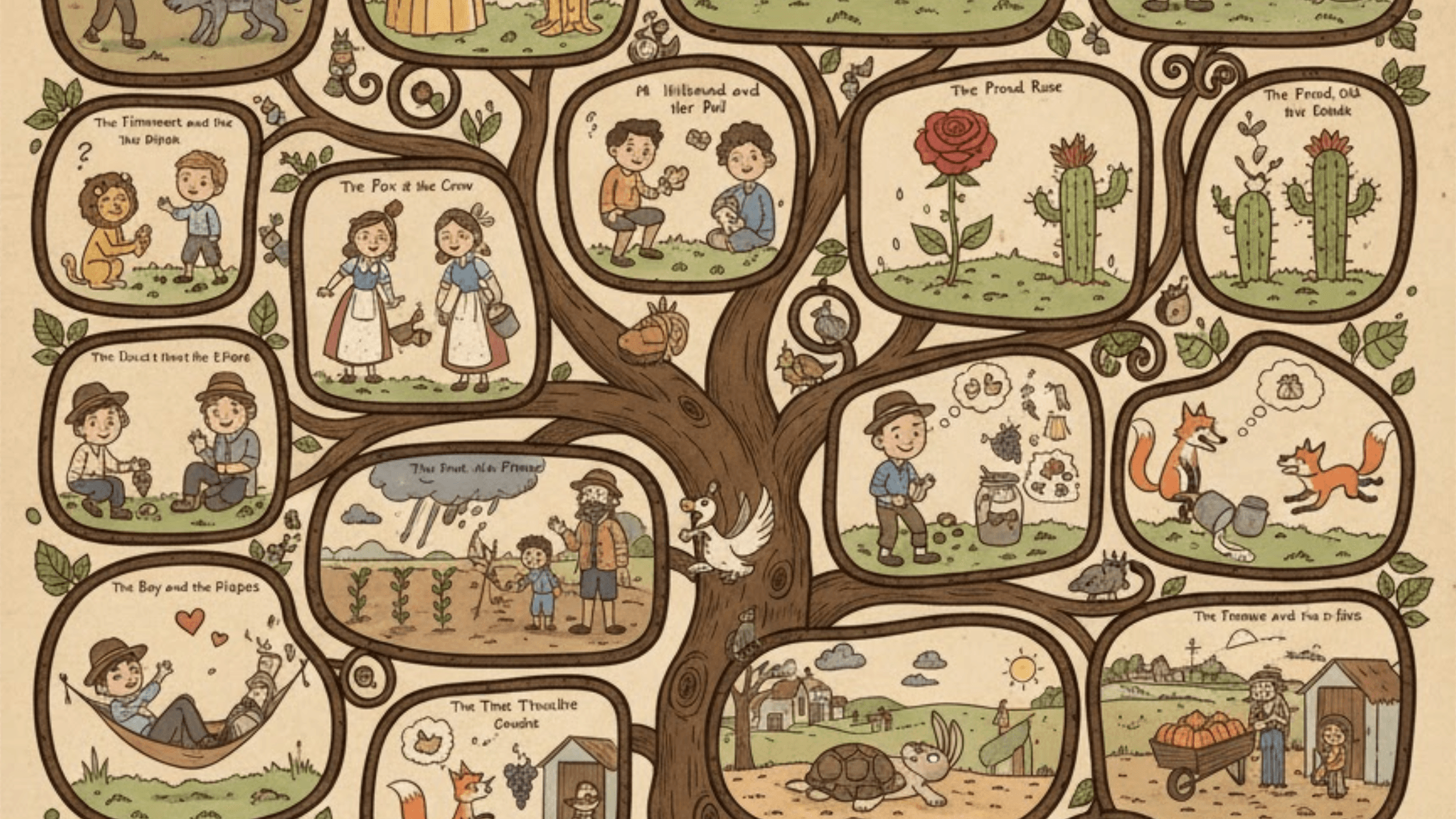
कहानियां किसे पसंद नहीं है? अच्छी कहानियाँ नैतिक मूल्यों के निर्माण और हमारे बच्चे के व्यक्तित्व के विकास की नींव हैं। कहानियाँ न केवल उन्हें प्रेरित करती हैं बल्कि उन्हें शिक्षित भी करती हैं, जिसका परिणाम उनके व्यवहार में होता है। माता-पिता होने के नाते, हमें अपने बच्चों को मज़ेदार तरीके से जीवन के सर्वोत्तम सबक सिखाने होंगे ताकि यह उनके चरित्र का निर्माण करे और उन्हें विचारों और मानसिकता की सही नींव दे। इस पथ में, नैतिक कहानियाँ एक महत्वपूर्ण भूमिका निभाती हैं, क्योंकि ये कहानियाँ कल्पना को जगाती हैं और जीवन के महत्वपूर्ण सबक इस तरह से देती हैं जो समझने में आसान और मनोरंजक हो।
आज के इस ब्लॉग पोस्ट में, हम 40 छोटी कहानियों को शामिल करेंगे जिन्हें आप अपने बच्चे के साथ पढ़ सकते हैं और सीखने और मजबूत बंधन बनाने के लिए कहानियों पर विचार-मंथन कर सकते हैं। बस एक आरामदायक सीट लें, एक कप चाय लें और आइए कहानी की दुनिया में गोता लगाएँ।
बच्चों के लिए नैतिक कहानियाँ क्यों महत्वपूर्ण हैं?
कहानियाँ पढ़ना शुरू करने से पहले, अपने बच्चे के साथ जल्दी से चर्चा करें कि ये कहानियाँ उनके लिए क्यों महत्वपूर्ण हैं। नैतिक कहानियाँ केवल मनोरंजन के लिए नहीं हैं (हालाँकि वे बहुत मज़ेदार भी हैं!) क्योंकि वे समझने में आसान तरीके से जीवन की शिक्षाएँ प्रदान करती हैं। ये कहानियाँ सकारात्मक चरित्र और मजबूत मानसिकता बनाने में मदद करती हैं। अब, आइए शुरुआत करें और इस समय को और खास बनाएं।
बच्चों के लिए शीर्ष 40 नैतिक कहानियां:
1. द बॉय हू क्राईड वुल्फ
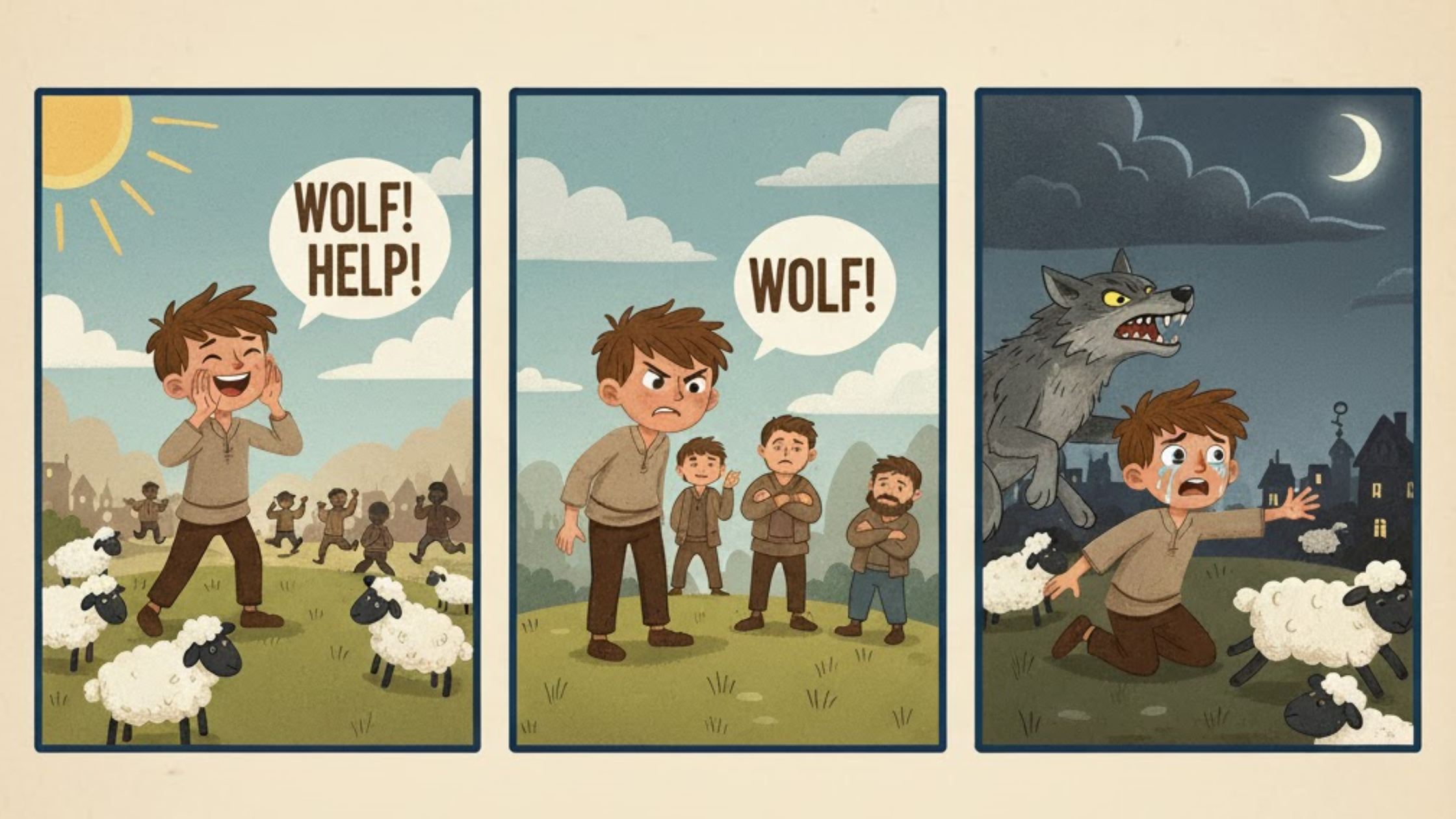
गांव का एक लड़का मौज-मस्ती के लिए लोगों से मदद मांगता रहता है और दावा करता है कि एक भेड़िया उसकी भेड़ों के पीछे है। धीरे-धीरे कोई भी उस पर विश्वास नहीं करता क्योंकि उसने लोगों का भरोसा तोड़ दिया था, एक दिन एक असली भेड़िया सामने आता है। उसने फिर से गाँव वालों को मदद के लिए बुलाया, लेकिन कोई नहीं आया, उसे लगा कि वह फिर झूठ बोल रहा है। और उसे अपनी भेड़ों की जान गँवानी पड़ी। वह अपने अतीत में किए गए सभी कामों के लिए बहुत रोता है और जब वह वास्तविक मुसीबत में था तो कोई भी उसकी मदद के लिए नहीं आया। style='font-family: Quicksand;'>2. द गोल्डन टच
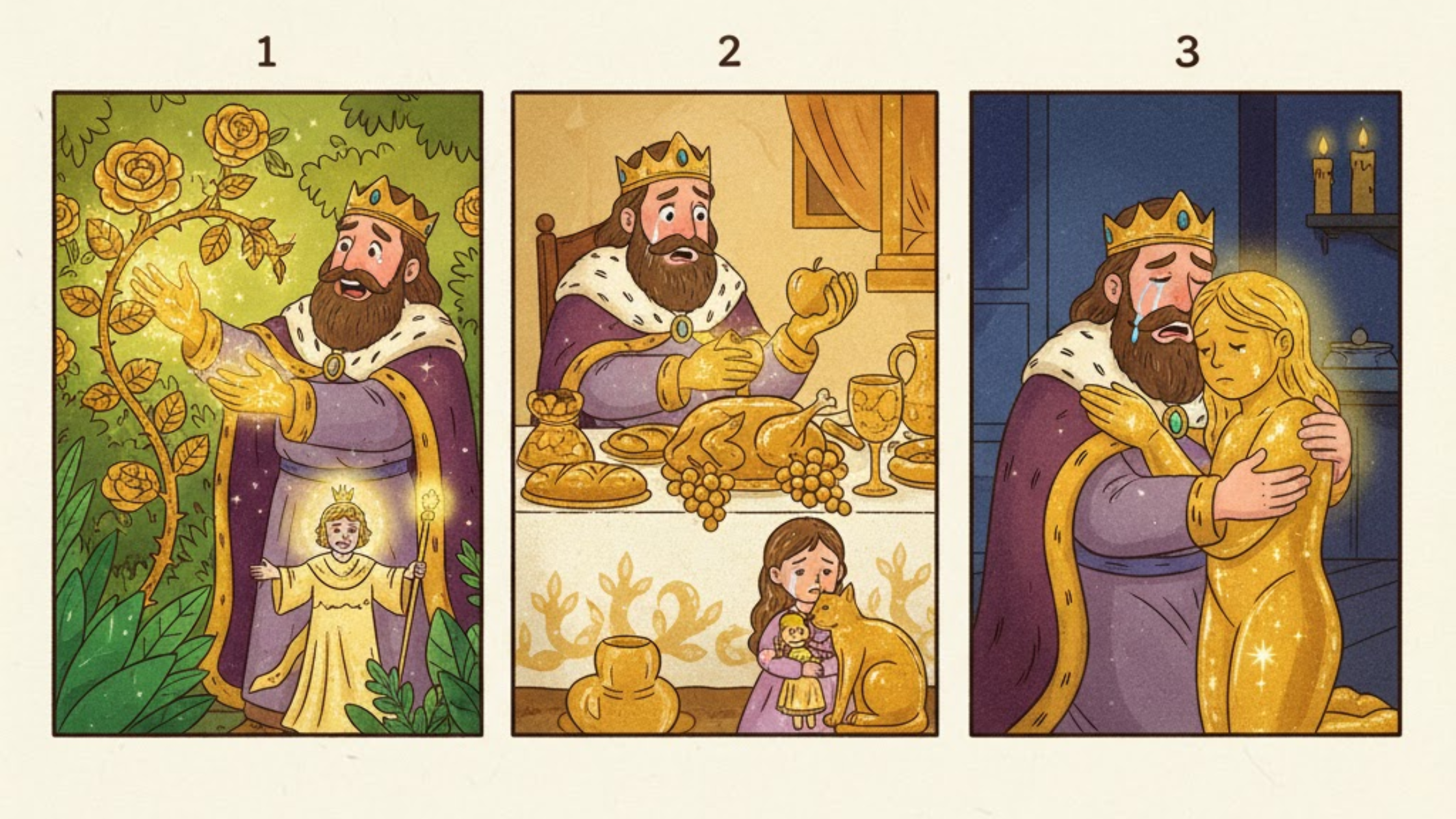
एक बार की बात है, एक राजा मिदास था, उसकी एक इच्छा पूरी हुई कि वह जो कुछ भी छुए वह सोने में बदल जाए - कुछ भी। इस शक्ति को प्राप्त करने के बाद उसका लालच बढ़ने लगा, वह जो कुछ भी छूता था वह सोने का हो जाता था, कुछ समय बाद यह इच्छा अभिशाप बन गई, क्योंकि वह न खा सकता था, न ही अपने प्रियजनों को छू सकता था और न ही गले लगा सकता था। उसे समझाएं कि उसके लालच के कारण उसे जीवन में खुशी नहीं मिली।
नैतिक: लालच विपत्ति ला सकता है, इसलिए जो आपके पास है उसके लिए आभारी रहें।
3. लोमड़ी और अंगूर
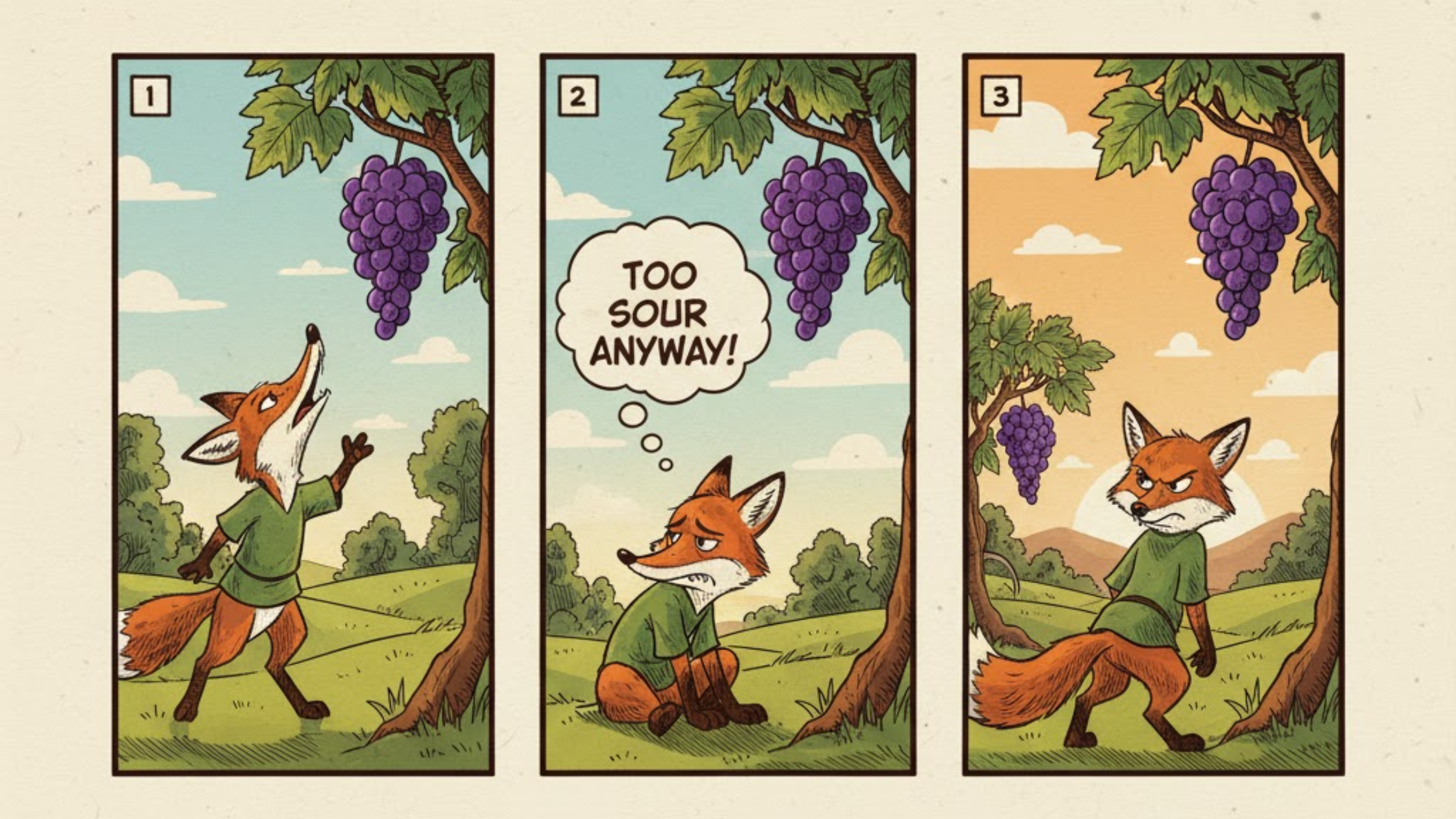
एक भूखी लोमड़ी बेल पर ऊंचे लटके अंगूरों के झुंड तक पहुंचने की कोशिश करती है और असफल हो जाती है। वह उनके बारे में सोचता है क्योंकि वह भूखा है, लेकिन जब वह उन तक पहुंचने में असमर्थ होता है, तो वह दूर जाने का फैसला करता है, उसे विश्वास होता है कि वे वैसे भी खट्टे थे।
नैतिक: जो आपके पास नहीं है उसका तिरस्कार न करें।
4. गर्वित गुलाब
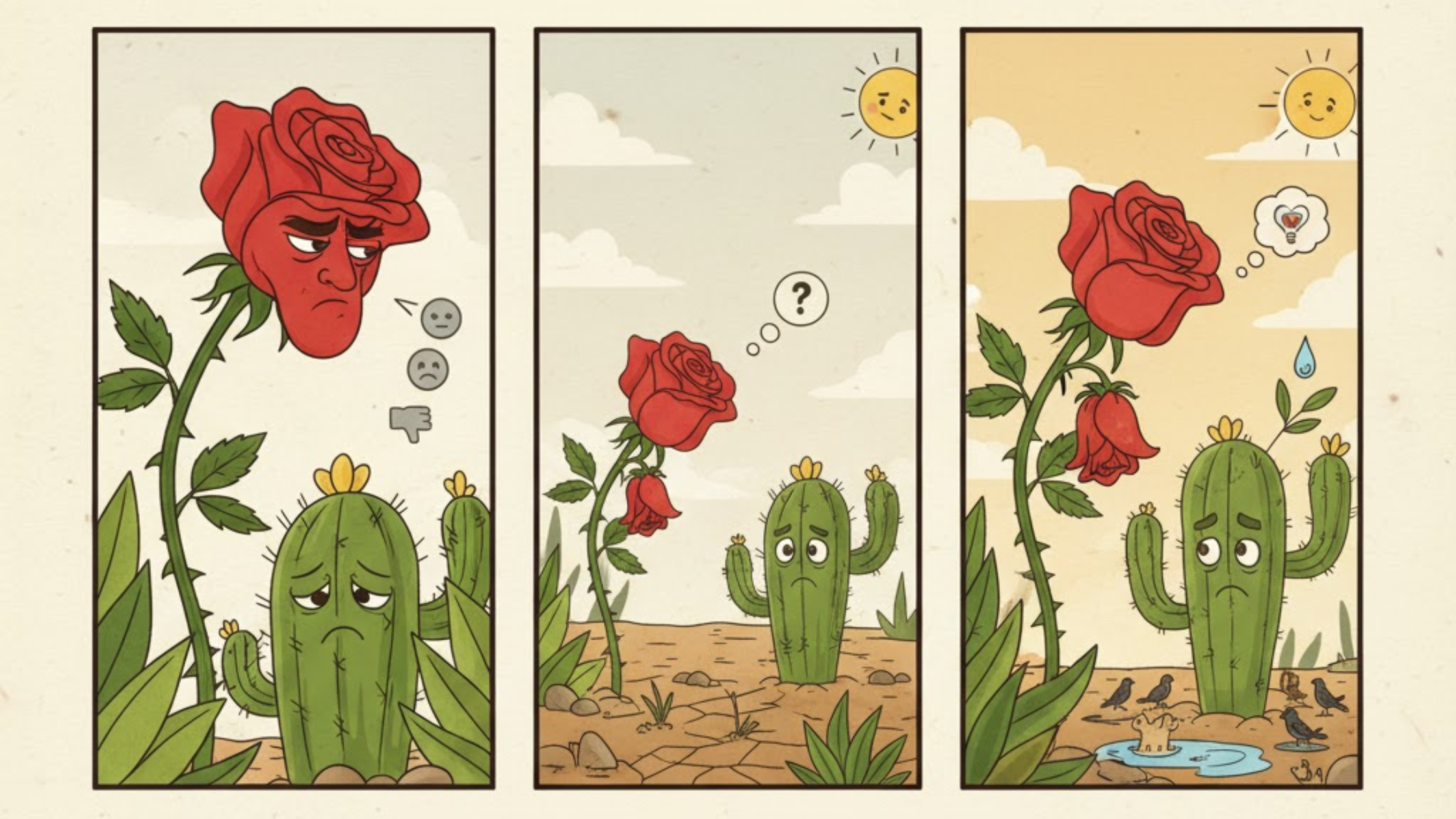
रेगिस्तान में एक खूबसूरत गुलाब अनाकर्षक होने के लिए कैक्टस का मजाक उड़ाता है। वह हमेशा उसका मज़ाक उड़ाता था और उसकी शक्ल-सूरत पर नकारात्मक टिप्पणियाँ करता था। जब पानी की कमी हो जाती है और हर पौधा संकट में होता है, तो गुलाब को एहसास होता है कि कैक्टस दूसरों को जीवन प्रदान कर रहा है, जबकि वह सूखा रहता है।
नैतिक: दूसरों को उनकी शक्ल से मत आंकिए।
5. द मिल्कमेड एंड हर पेल
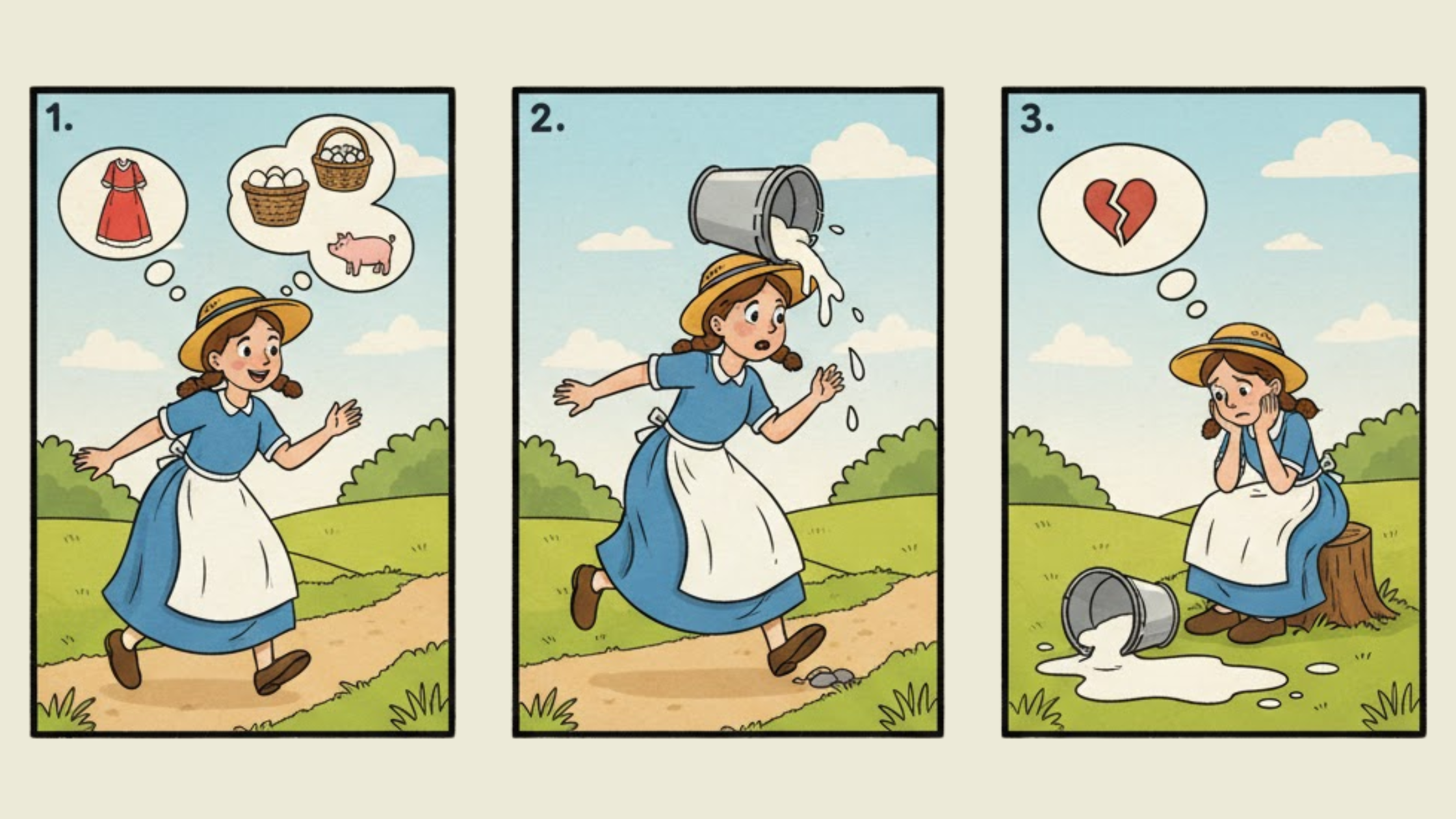
दूधवाली मौली उन सभी चीजों के सपने देखती है जो वह पूरे दिन दूध बेचने के पैसे से खरीदेगी, लेकिन जब वह दिवास्वप्न बहुत ज्यादा देखती है, तो वह गलती से दूध गिरा देती है।
नैतिक: अपनी मुर्गियों को अंडों से निकलने से पहले न गिनें।
6. एक बुद्धिमान बूढ़ा उल्लू
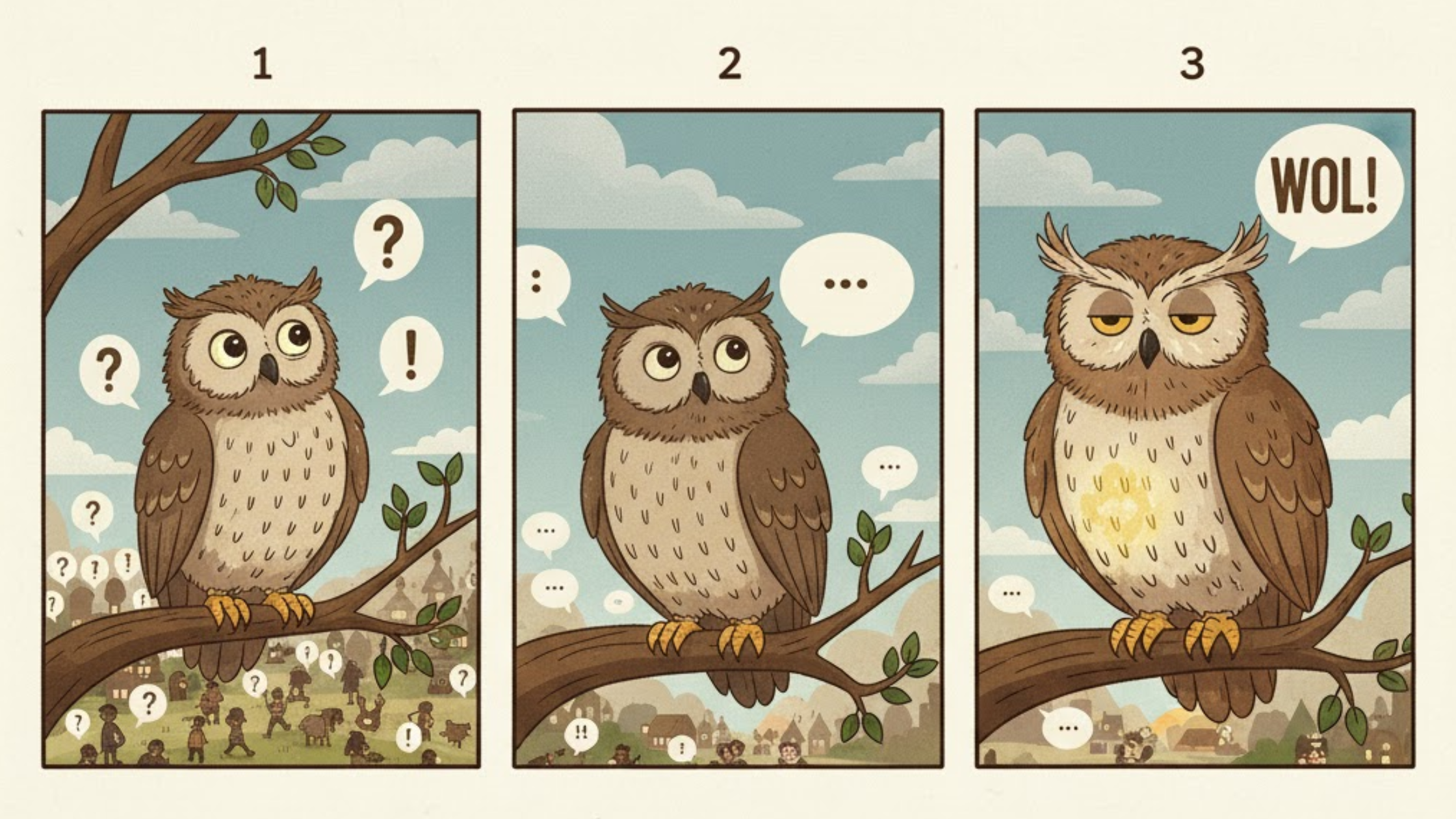
एक बूढ़ा उल्लू चुपचाप दुनिया को देखते हुए अपने दिन बिताता है। दुनिया में प्रतिदिन होने वाले परिवर्तनों और क्या सुंदर हो रहा है, इसे समझना। वह जितना अधिक देखता है, उतना कम बोलता है, हर दिन समझदार होता जाता है।
नैतिक: कम बोलें, अधिक निरीक्षण करें।
7. सुनहरा अंडा
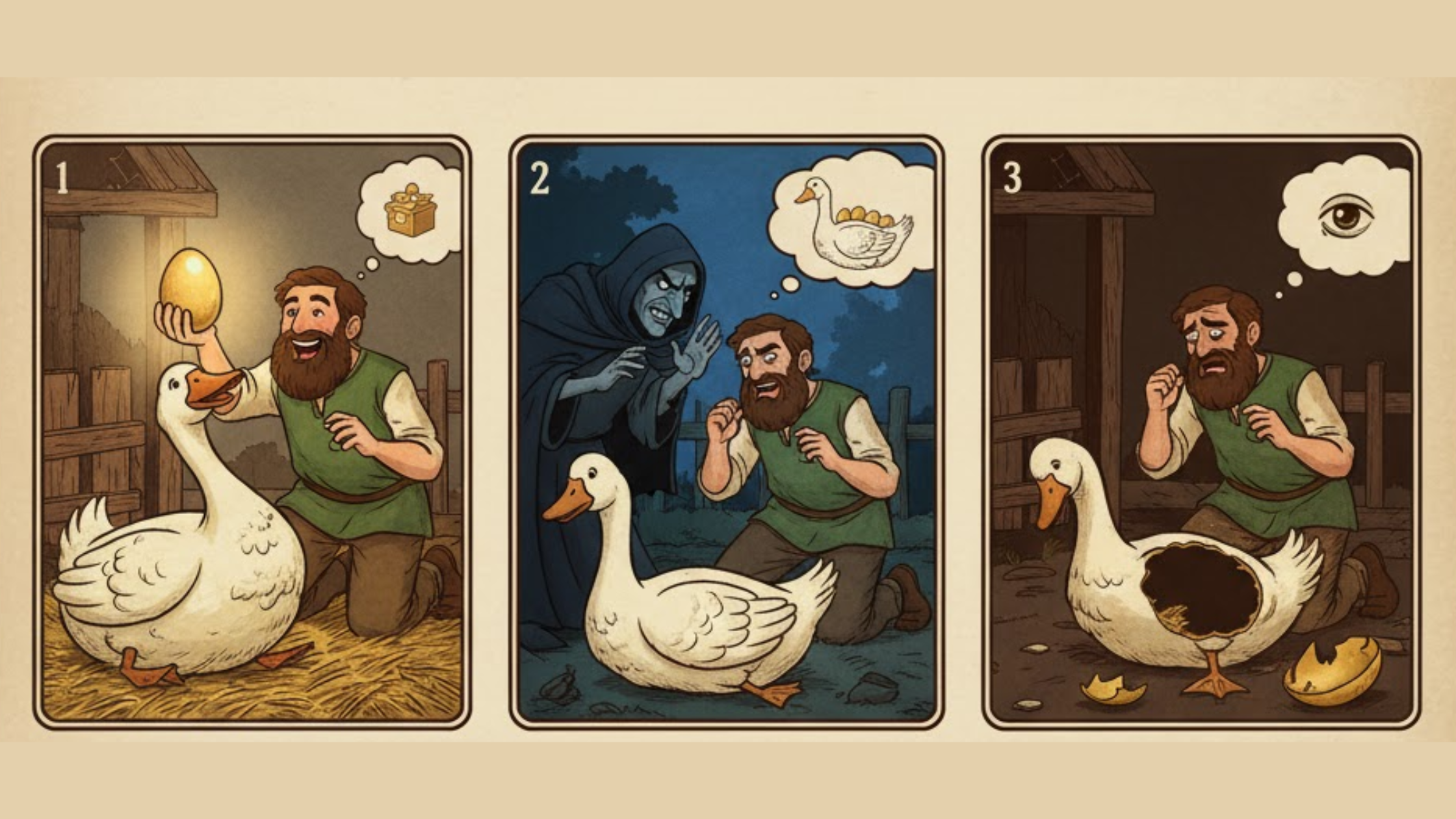
एक किसान की हंसिया हर दिन सुनहरे अंडे देती है, वह उसे रोजाना अंडे देती है, लेकिन जब किसान के दुश्मन ने सुझाव दिया कि वह हर दिन एक अंडा पाने के लिए इंतजार करने के बजाय मुर्गी को काट दे और एक बार आसानी से सभी अंडे प्राप्त कर ले, तो वह लालची हो गया। उसकी बात सुनने के बाद, और वह फैसला करता है और मुर्गी को काटता है और उसे और अधिक के लिए खोलता है, वह सब कुछ खो देता है।
नैतिक: लालची मत बनो, जो तुम्हारे पास है उसके लिए आभारी रहो।
8. भेड़िया और भेड़
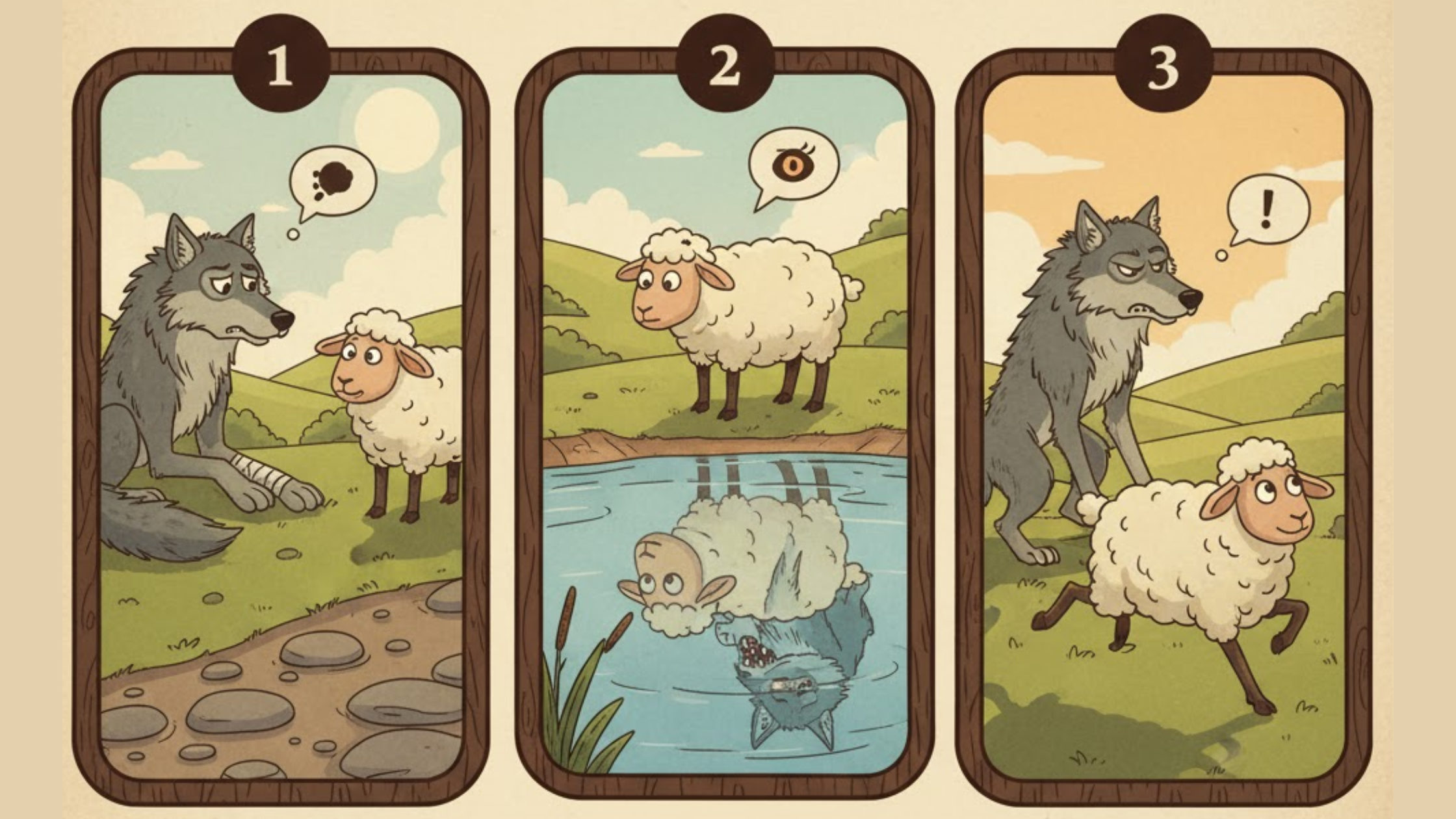
एक घायल भेड़िया एक भेड़ को बहकाकर अपने लिए पानी लाता है और उसे तालाब के पास ले जाता है, लेकिन भेड़ उसकी योजना को समझ जाती है और पानी में भेड़िया उस पर हमला करने आ रही है, यह देखकर भेड़िये की योजना के बारे में जान लेती है और अपनी जान बचा लेती है।
नैतिक: हमेशा सतर्क रहें और गुप्त उद्देश्यों पर नजर रखें।
9. कछुआ और खरगोश
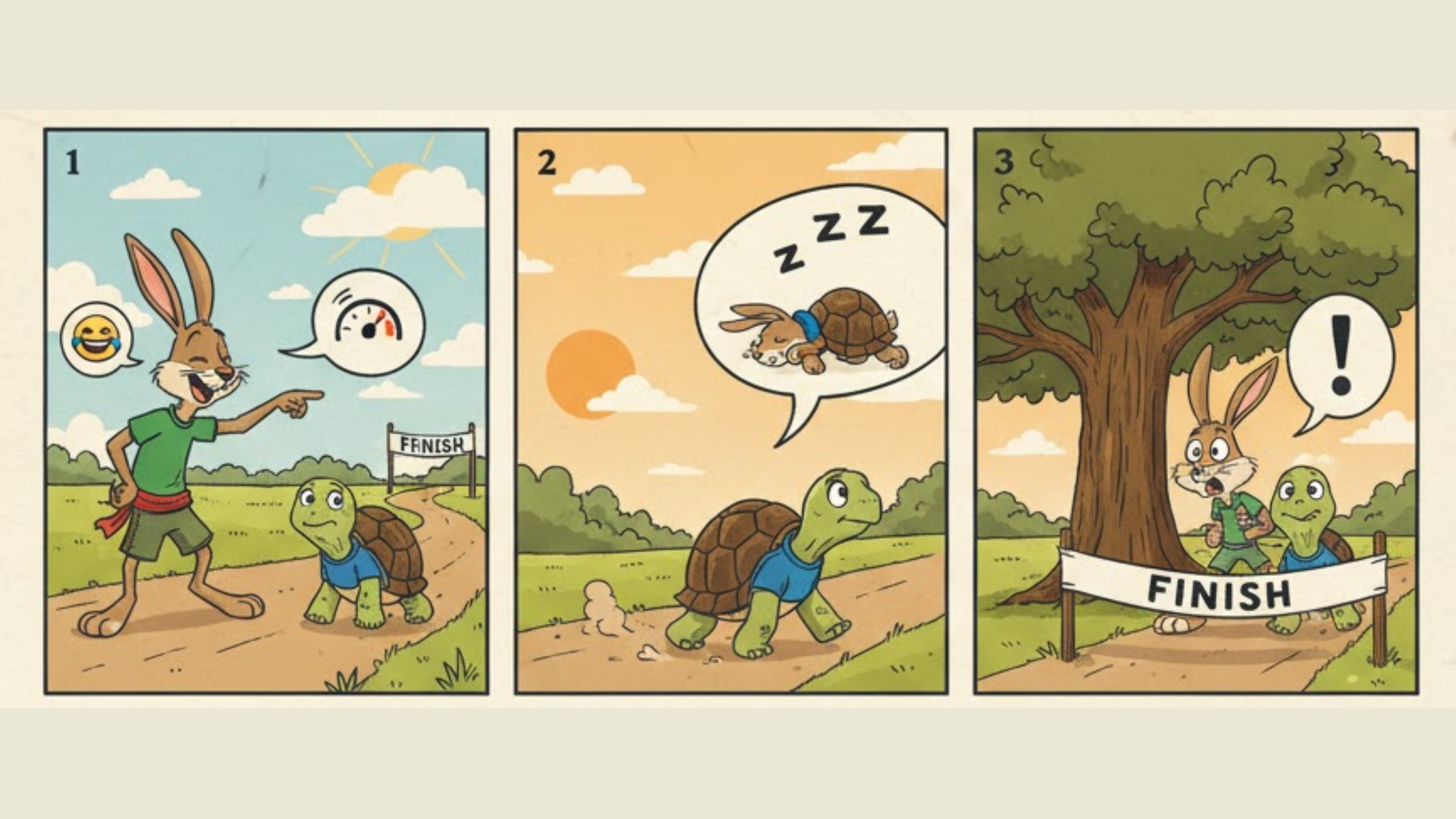
एक तेज़ खरगोश धीमे कछुए का मज़ाक उड़ाता है और उसे दौड़ के लिए चुनौती देता है। दौड़ के दौरान खरगोश अति आत्मविश्वास में आ जाता है और झपकी ले लेता है, जबकि कछुआ लगातार आगे बढ़ता रहता है और अपने लगातार प्रयासों के कारण जीत जाता है।
नैतिक: लगातार प्रयास से जीत होती है।
10. गायें और बाघ
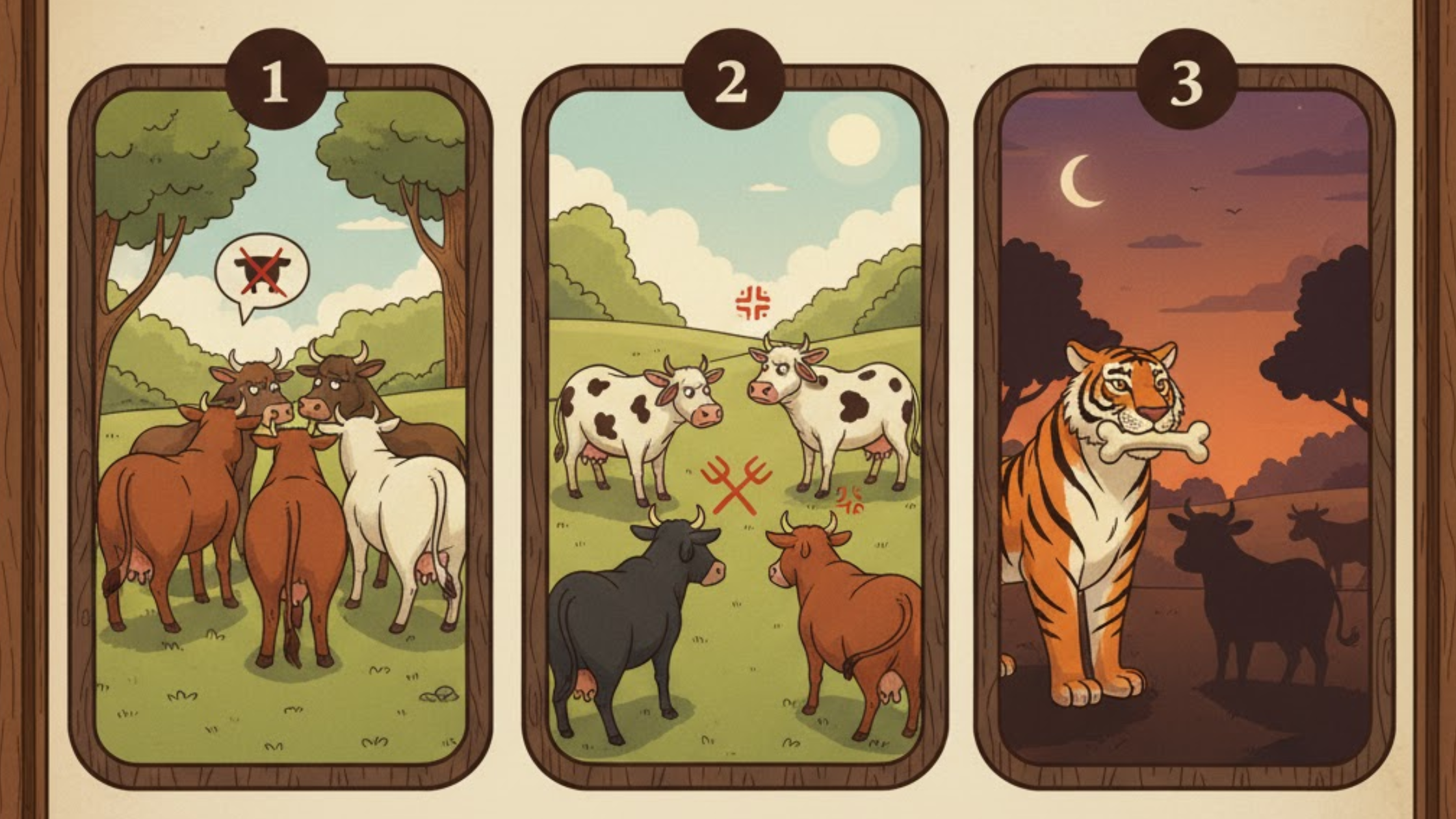
एक गाँव में एक भूखा बाघ था जो गायों को खाना चाहता था। अचानक एक दिन उसे 4 गायों का एक समूह मिला, लेकिन वह उन्हें खाने में असमर्थ था क्योंकि वे हमेशा एक समूह में रहती थीं। चार गायें एक साथ रहने से बाघ से सुरक्षित रहीं। एक दिन वे भोजन के लिए एक-दूसरे से लड़ने लगे और अपने-अपने रास्ते चले गए, बाघ को मौका मिला और वह आसानी से एक-एक करके उन्हें पकड़ने लगा। लोमड़ी और कौआ
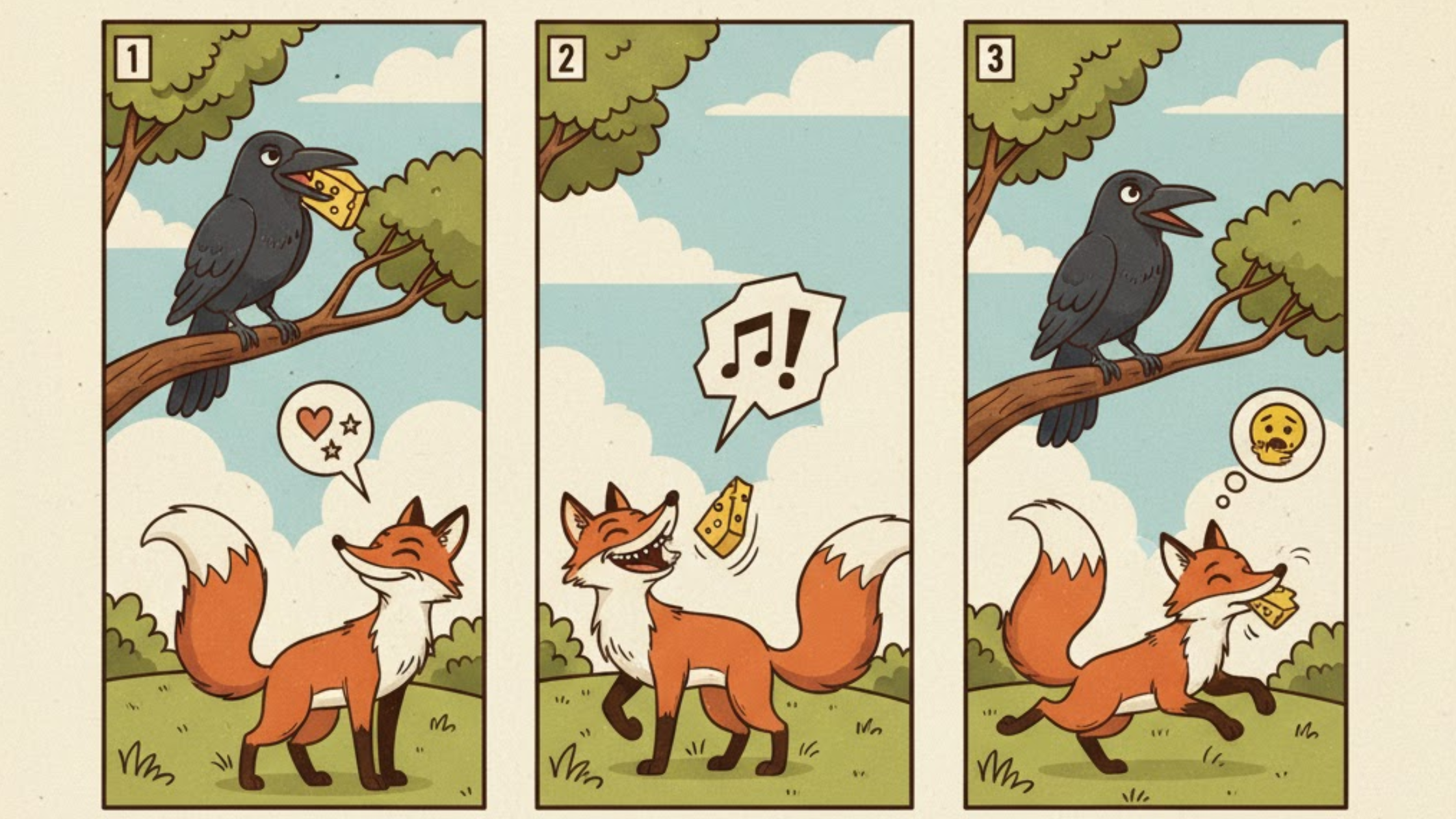
एक भूखे कौवे को पास में पनीर का एक टुकड़ा मिलता है। एक लोमड़ी उसे देखती है, और चूँकि वह भी भूखा था, इसलिए वह अपने स्पष्ट दिमाग का उपयोग करता है, और लोमड़ी उसे गाने के लिए उकसाती है, जिससे वह पनीर गिरा देता है, और लोमड़ी पनीर छीन लेती है और भाग जाती है। style='font-family: Quicksand;'>12.कुत्ता और हड्डी
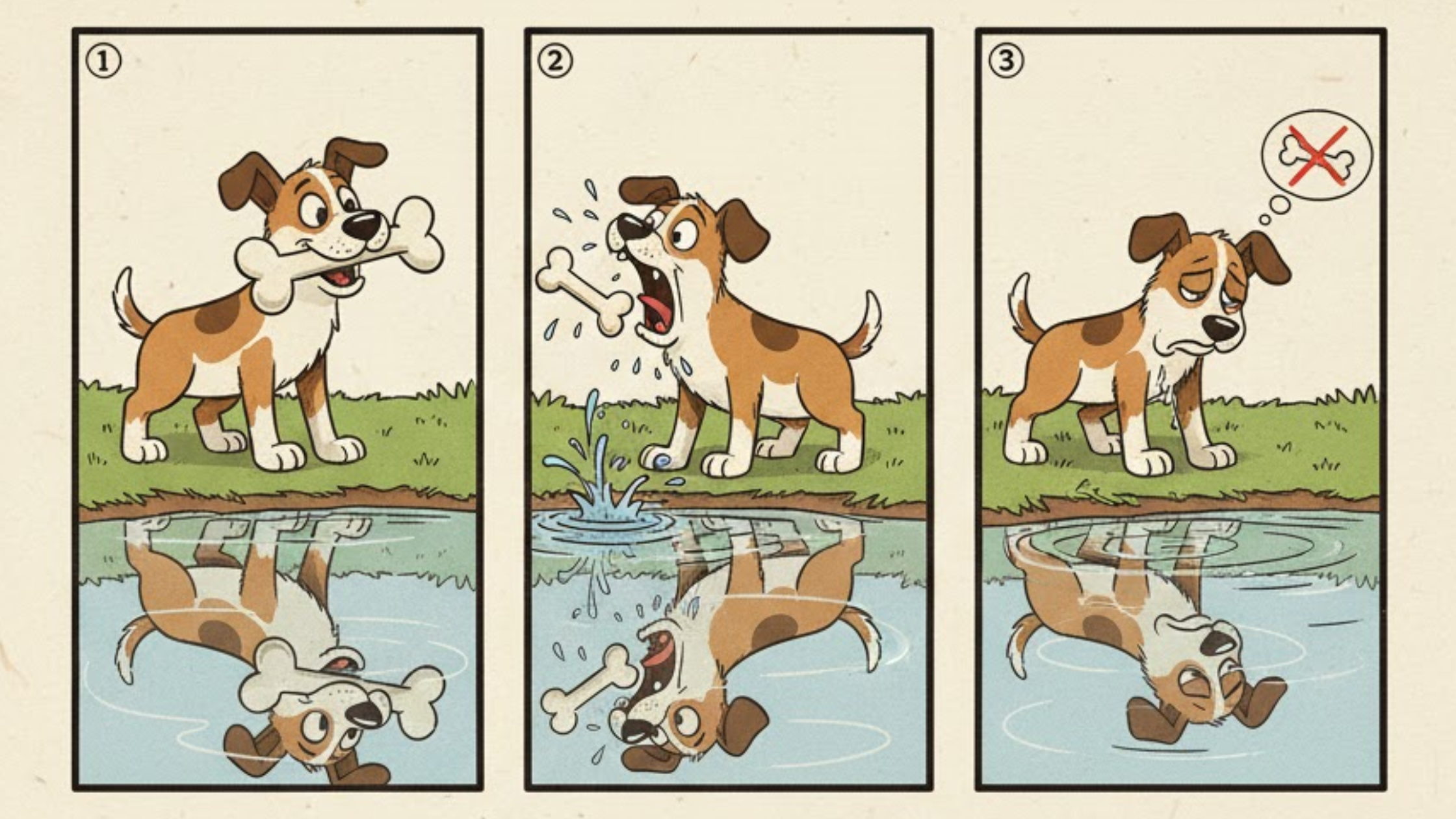
एक कुत्ता अपने मुंह में हड्डी लेकर पानी में अपना प्रतिबिंब देखता है और पानी में दिखाई दे रही हड्डी को खाने की कोशिश करता है, पानी जो उसका प्रतिबिंब था, और वह प्रतिबिंब में हड्डी को पकड़ने की कोशिश करता है और दोनों को खो देता है।
नैतिक: लालची मत बनो।
13. शेर और चूहा
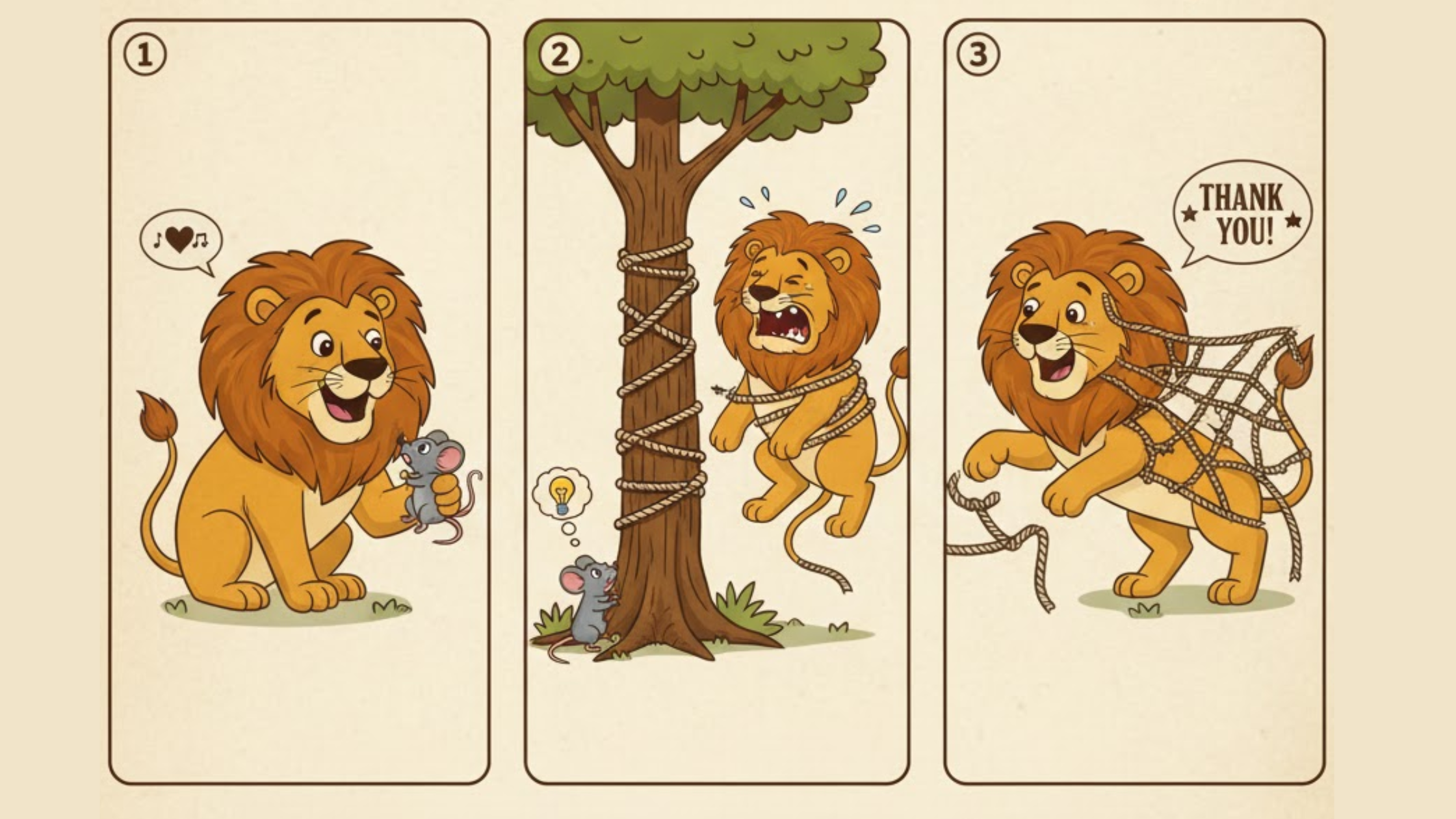
एक शेर एक छोटे चूहे को आजाद कर देता है और शेर उस चूहे का मजाक उड़ाता था क्योंकि वह छोटा था और उसके पास शेर जैसी ताकत नहीं थी और बाद में जब शेर जाल में फंस जाता है तो चूहा उसे बचाने आता है और शेर की जान बचाता है।
जबकि चींटी रोजाना कड़ी मेहनत करके सर्दियों के लिए भोजन जमा करने के लिए कड़ी मेहनत करती है, टिड्डा गाता और खेलता है और मूल रूप से अपने जीवन का आनंद लेता है। जब सर्दी आती है, तो टिड्डे के पास खाने और जीवित रहने के लिए कुछ नहीं होता है, जबकि चींटी अच्छी तरह से तैयार होती है।
नैतिक: कड़ी मेहनत करें और भविष्य के लिए योजना बनाएं।
15. द बॉय एंड द फिल्बर्ट्स
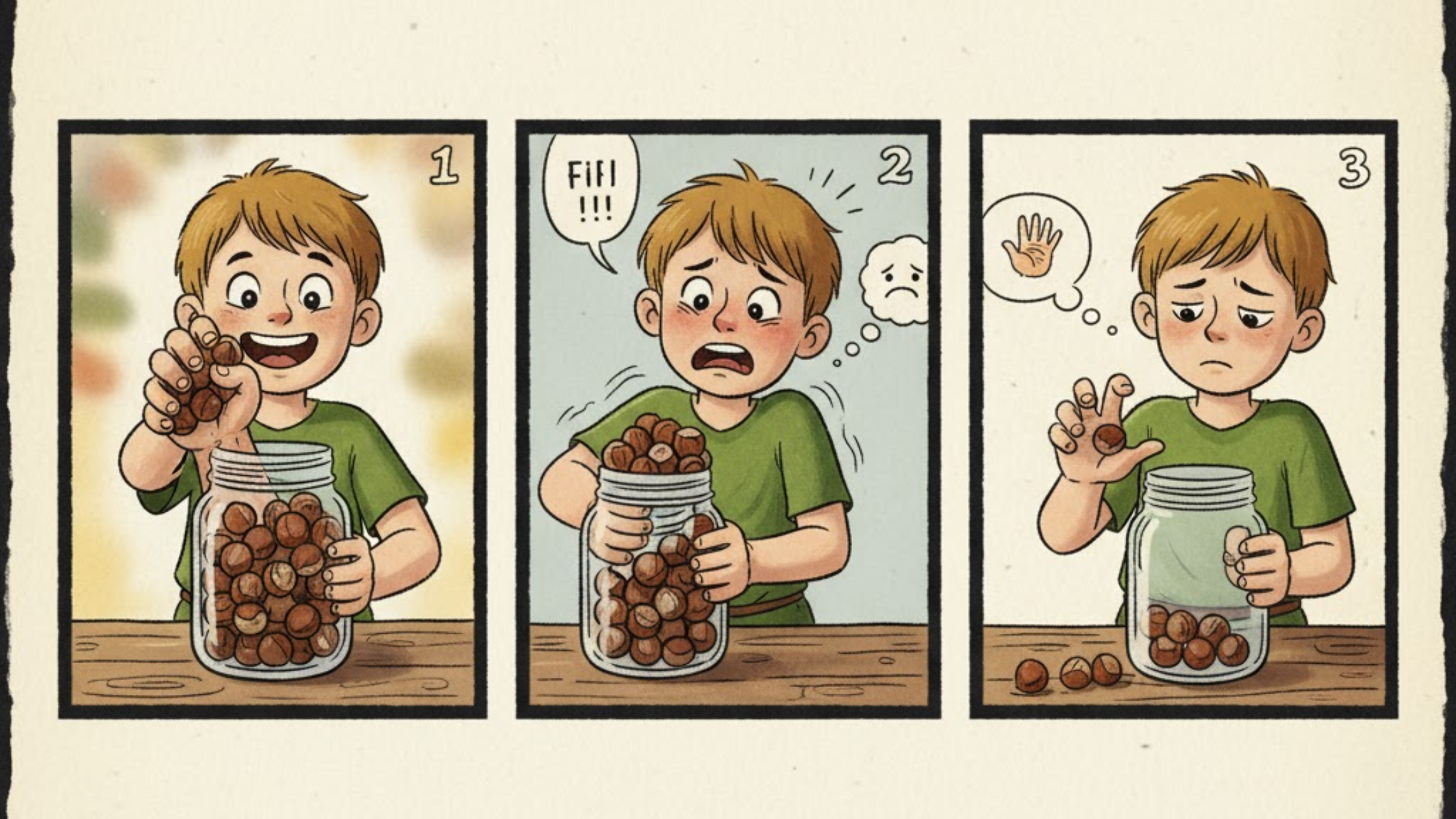
एक लड़का फिलबर्ट्स के लिए एक जार में हाथ डालता है, लेकिन जब वह बहुत अधिक फिल्बर्ट पकड़ लेता है, तो उसका हाथ फंस जाता है और यहां उसकी मदद करने वाला कोई नहीं था। और कुछ समय बाद वह खुद को मुक्त करने के लिए किसी को छोड़ने के लिए मजबूर हो जाता है।
नैतिक: लालची मत बनो।
16. शेर और तीन बैल
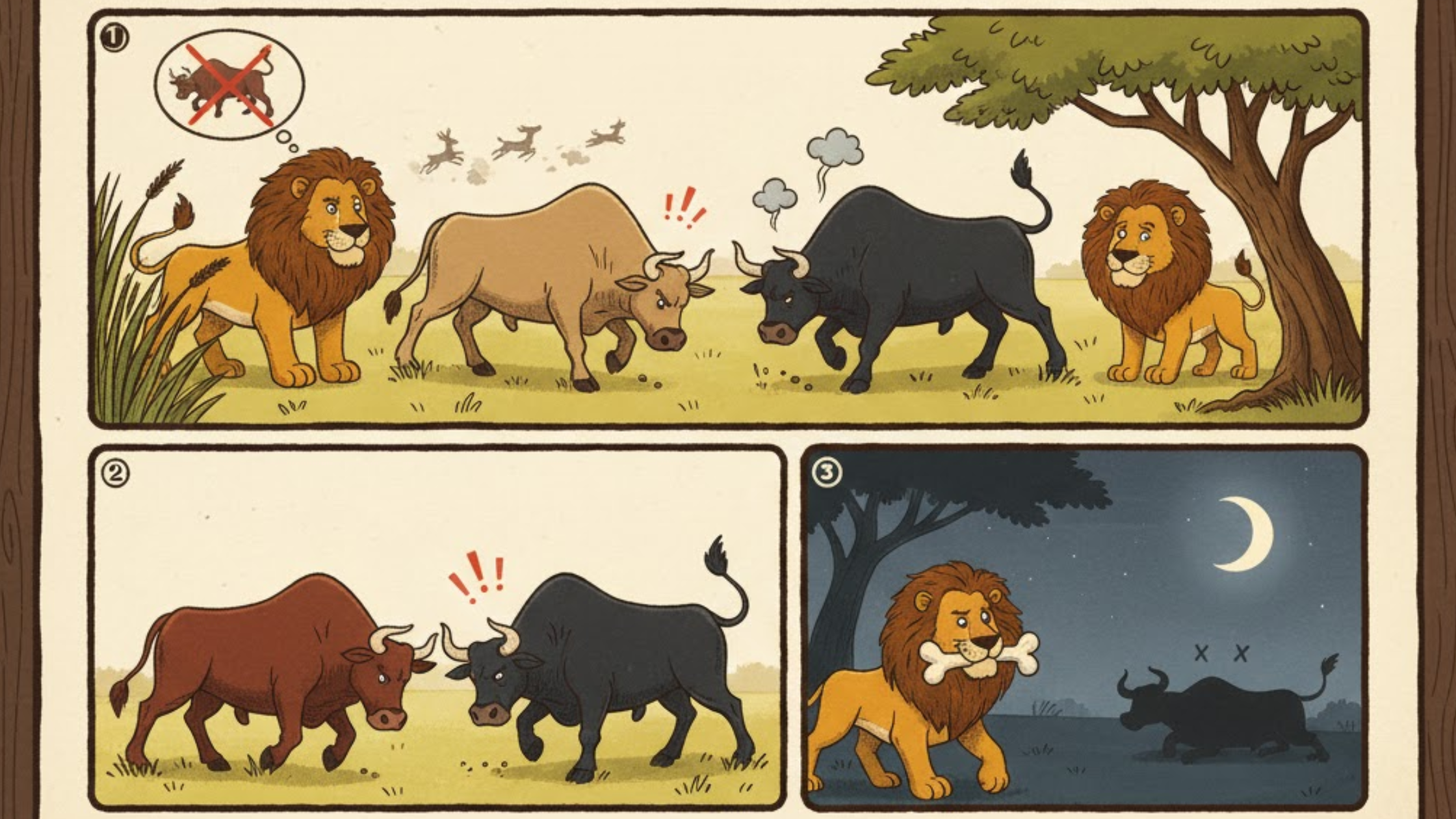
तीन बैल दोस्त हैं और एक साथ रहते हैं। जंगल में हर कोई उनसे डरता है, लेकिन जब वे आपस में लड़ते हैं, तो शेर उनके विभाजन का फायदा उठाता है और उन्हें एक-एक करके खा जाता है।
नैतिक: एकजुट रहें।
17. किसान और सारस। class='fr-fic fr-dib'>एक बार की बात है, जंगल में पक्षियों का एक समूह था, उन्हें देखकर सारस भी उनके साथ शामिल होने और आनंद लेने का फैसला करता है। कुछ देर बाद एक किसान सारस सहित कुछ पक्षियों को फँसाता है। जब सारस दया मांगता है, तो किसान उसे बताता है कि वह संगति से दोषी है।
नैतिक: अपनी कंपनी बुद्धिमानी से चुनें।
18. बहादुर छोटा तोता
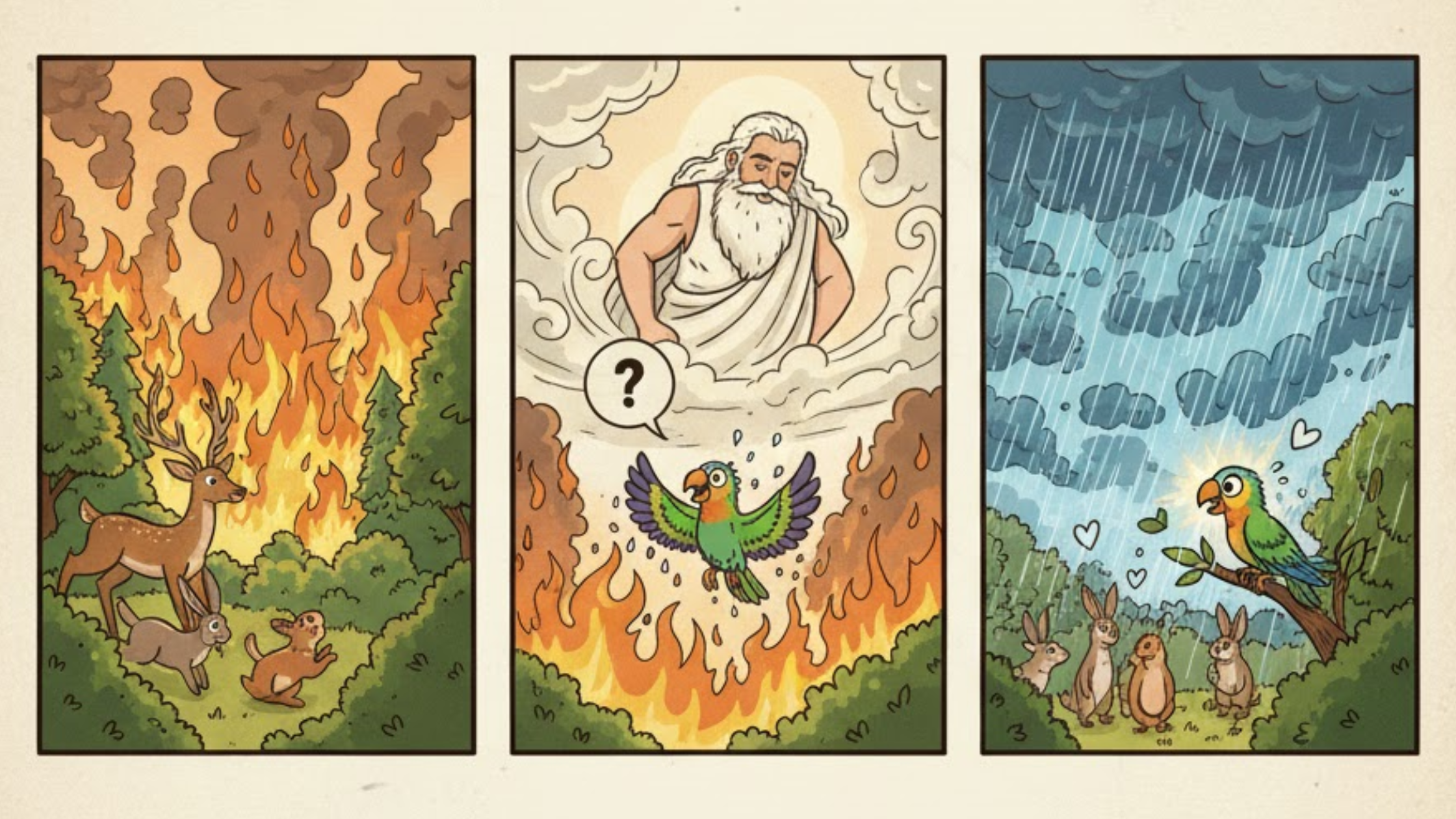
एक जंगल में आग लग गई और सभी जानवर भाग गए। लेकिन एक छोटे तोते ने मदद करने का फैसला किया। वह एक नदी की ओर उड़ गई, अपने पंखों में पानी की बूँदें ले गई और उन्हें आग पर गिरा दिया। उसकी बहादुरी को देखकर, देवताओं ने आग बुझाने के लिए बारिश भेजी।
Moral: छोटे-छोटे कार्य भी बड़ा बदलाव ला सकते हैं।
19. दो मेंढक
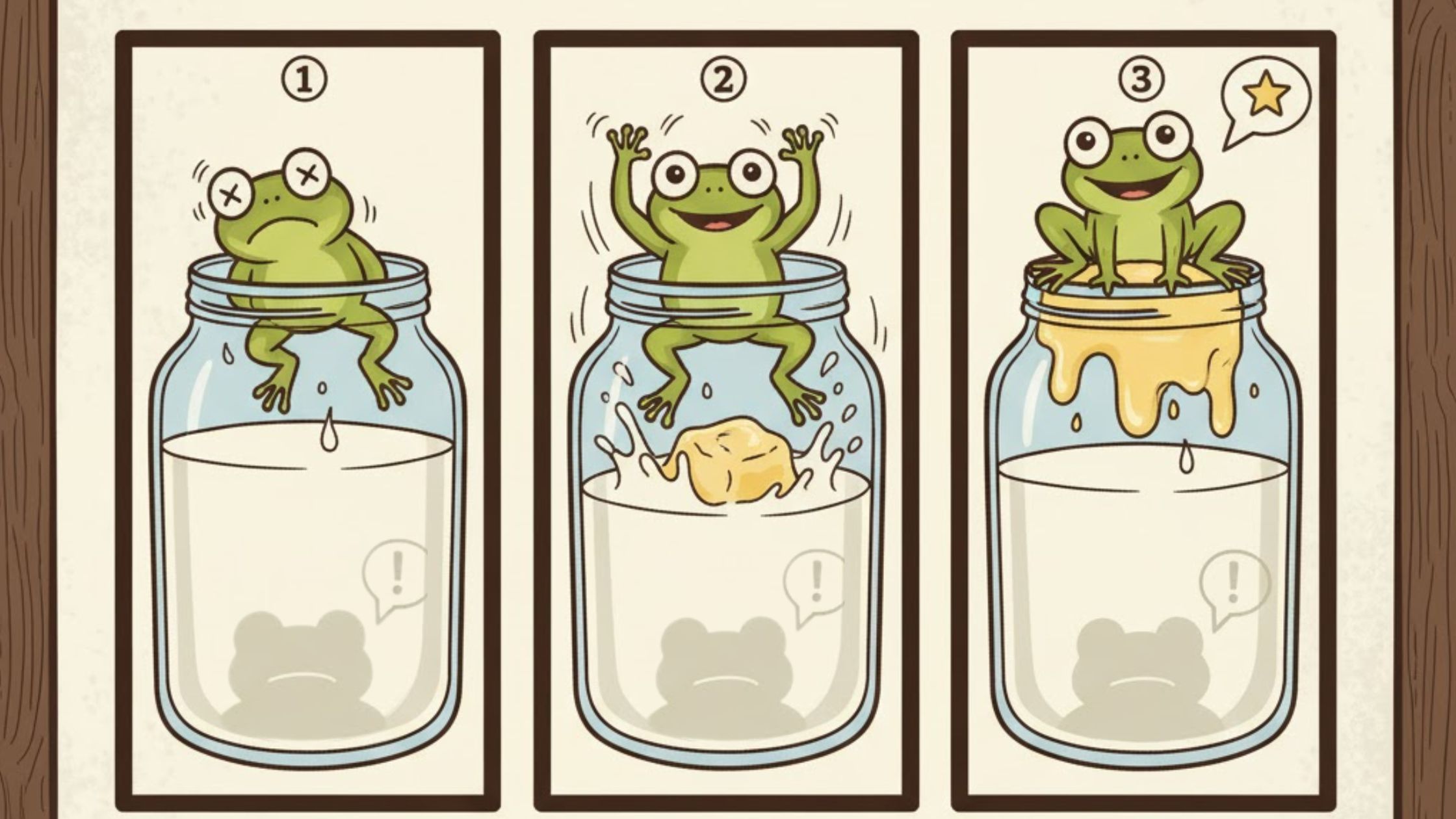
दो मेंढक दूध के एक जार में गिर जाते हैं।एक हार मान लेता है, लेकिन दूसरा तब तक लात मारता रहता है जब तक कि दूध मक्खन में न बदल जाए, जिससे वह लगातार प्रयासों से बच जाता है।
Moral: कभी हार न मानें।
20. कौआ और घड़ा
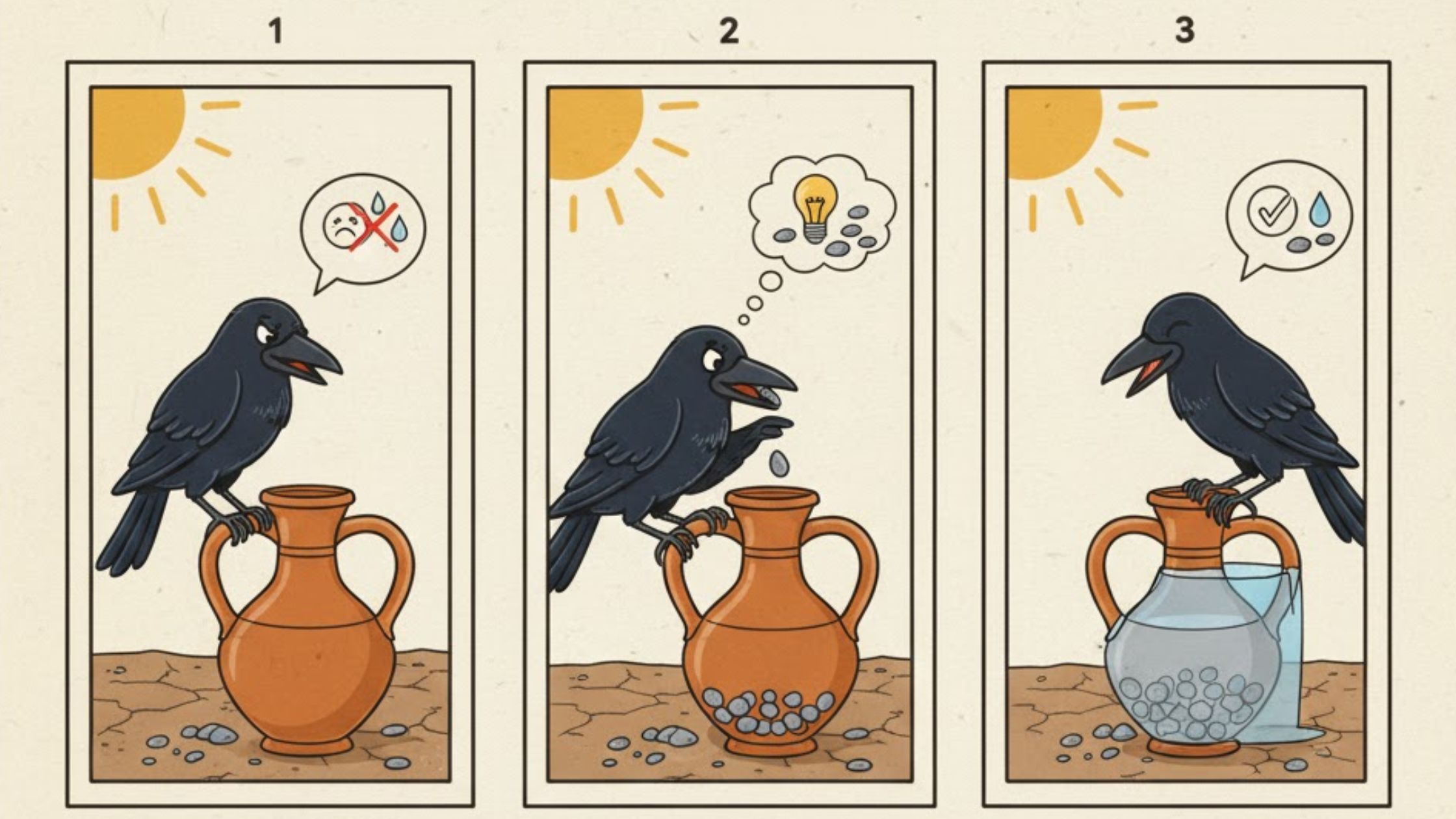
एक प्यासे कौवे को नीचे पानी से भरा एक घड़ा मिलता है। वह आशावादी थे. हार मानने के बजाय, वह उसमें कंकड़-पत्थर तब तक डालने का विचार रखता है जब तक कि पानी उसके पीने लायक न हो जाए। क्विकसैंड;">21. मूर्ख कौआ

एक कौवे को मोर का पंख बहुत पसंद आया क्योंकि वह बहुत सुंदर दिखता था और उसमें कई रंग थे और उसने अपने पंखों को छोड़कर मोर के पंख लगाने के बारे में सोचा, लेकिन उसे इसका पछतावा हुआ क्योंकि सभी ने उसका मजाक उड़ाया।
एक गांव में कौवों का एक समूह रहता था, वे हमेशा टीम बनाकर एकजुट रहते थे। गायें बाघ से सुरक्षित थीं, लेकिन एक बहस के कारण उन्होंने सभी को बांट दिया, वे शिकार बन गईं।
नैतिक: ताकत एकता में है।
23. ऊँट और तंबू
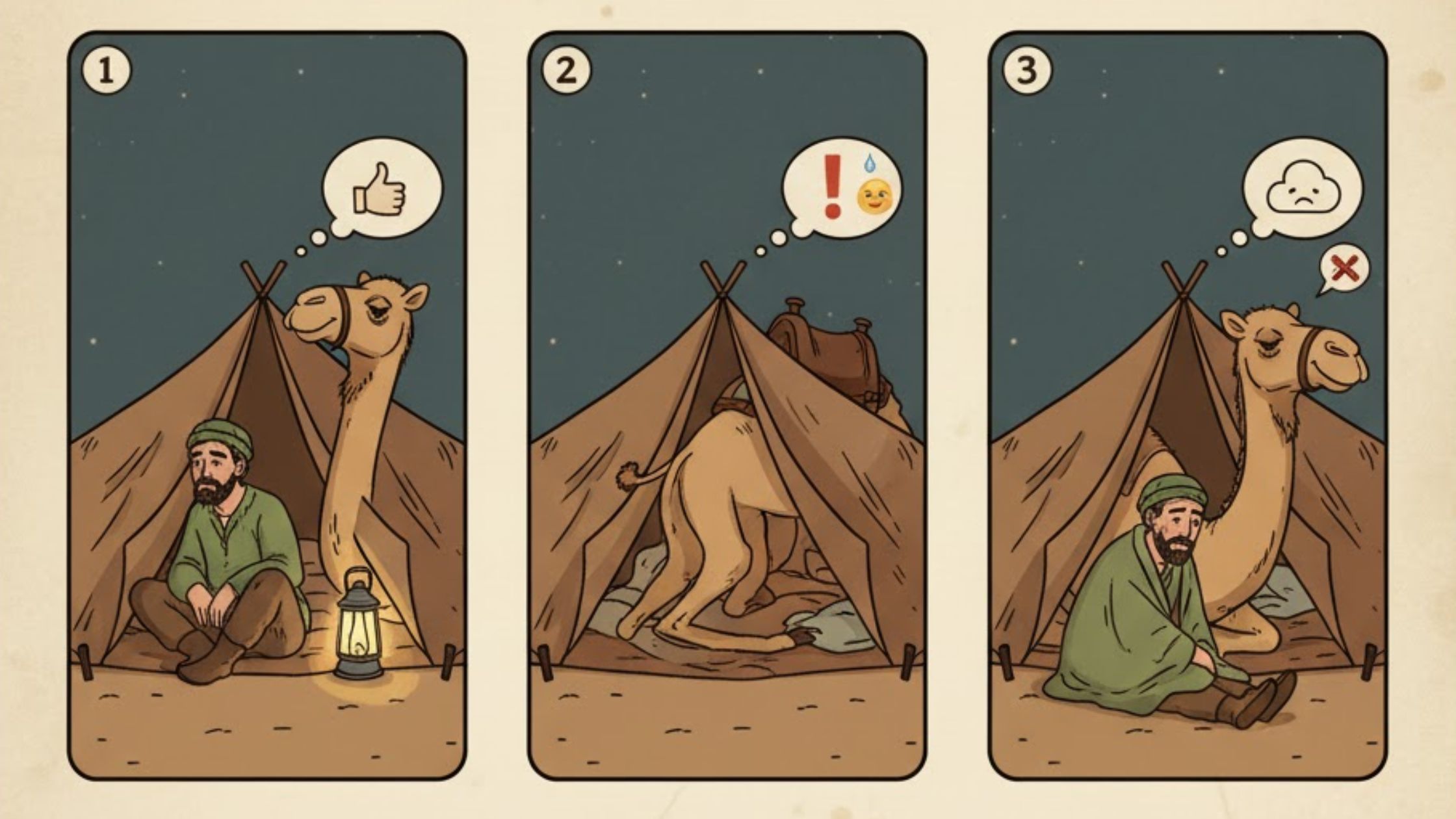
एक ऊंट को एक बार तंबू में अपनी नाक घुसाने की इजाजत दे दी गई थी जैसा कि वह लंबे समय से करना चाहता था, उसने आखिरकार तंबू पर कब्जा कर लिया, जिससे मालिक को पूरी रात परेशानी हुई। शुरुआत में समस्याएं।
24। चूहा और मेंढक
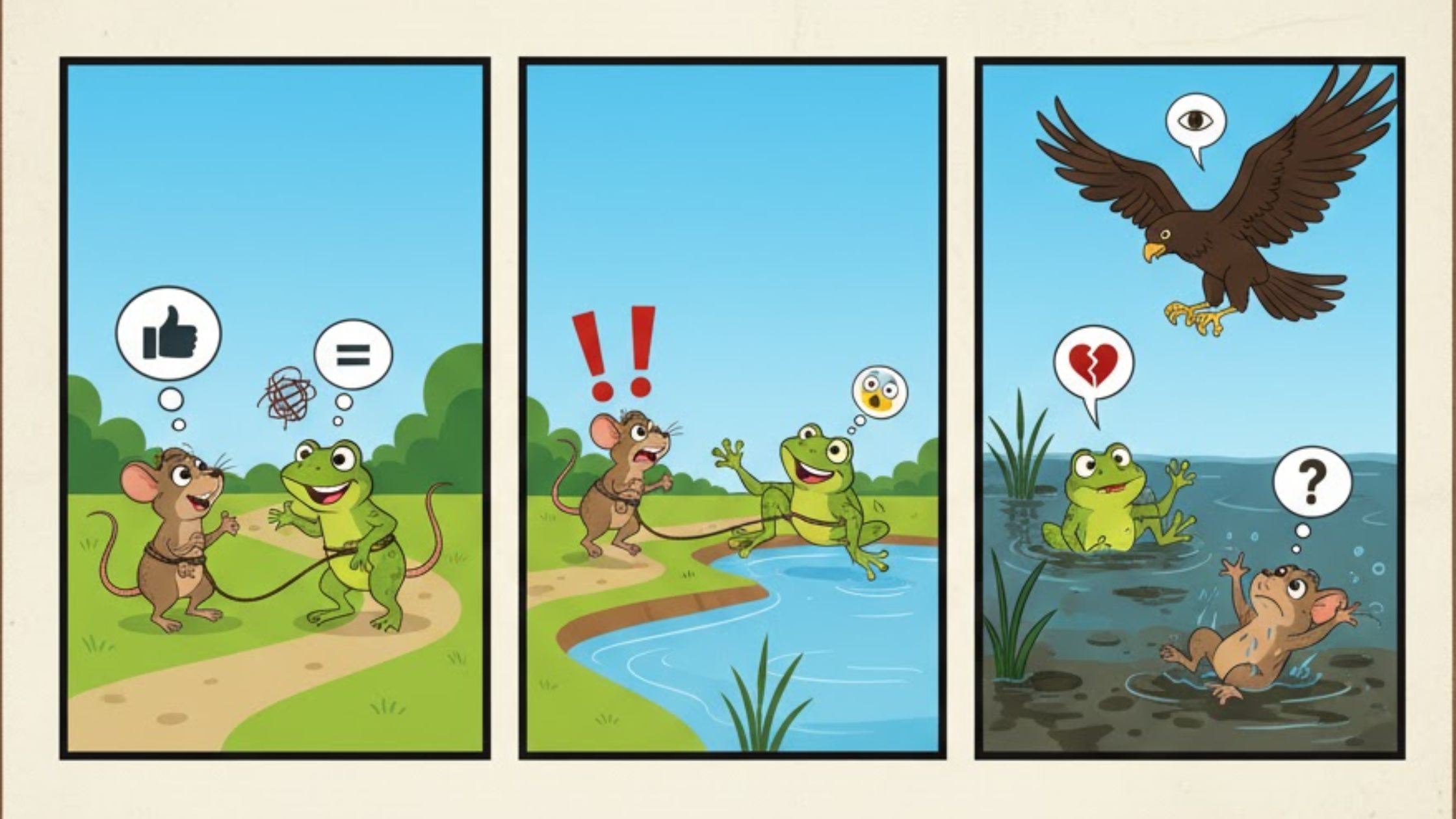
एक चूहे और मेंढक ने खुद को एक साथ बांध लिया, यह सोचकर कि वे एक ही हैं, लेकिन जब वे थोड़ी दूर तक एक साथ चलने लगे, तो वे अपने मतभेदों का शिकार हो गए।
नैतिक: साझेदारी की आवश्यकता होती है समझ।
25. आलसी किसान
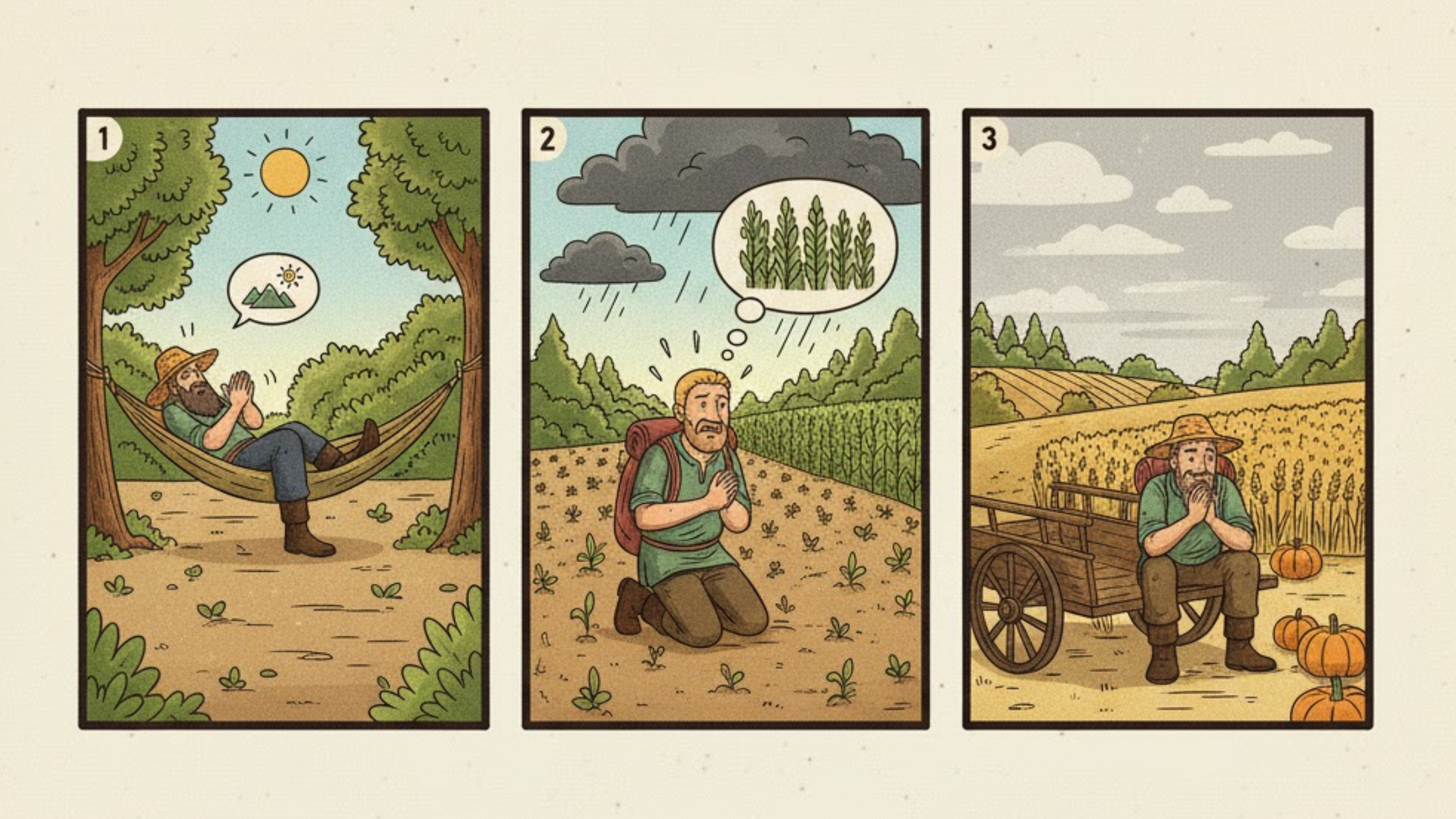
एक किसान खेती के लिए पूरे सीजन तक किस्मत पर निर्भर रहा और मेहनत करने की बजाय सिर्फ प्रार्थना करता रहा और जब पूरा एक साल बीत गया तो उसे नुकसान उठाना पड़ा। सफलता.
26. मोर और क्रेन
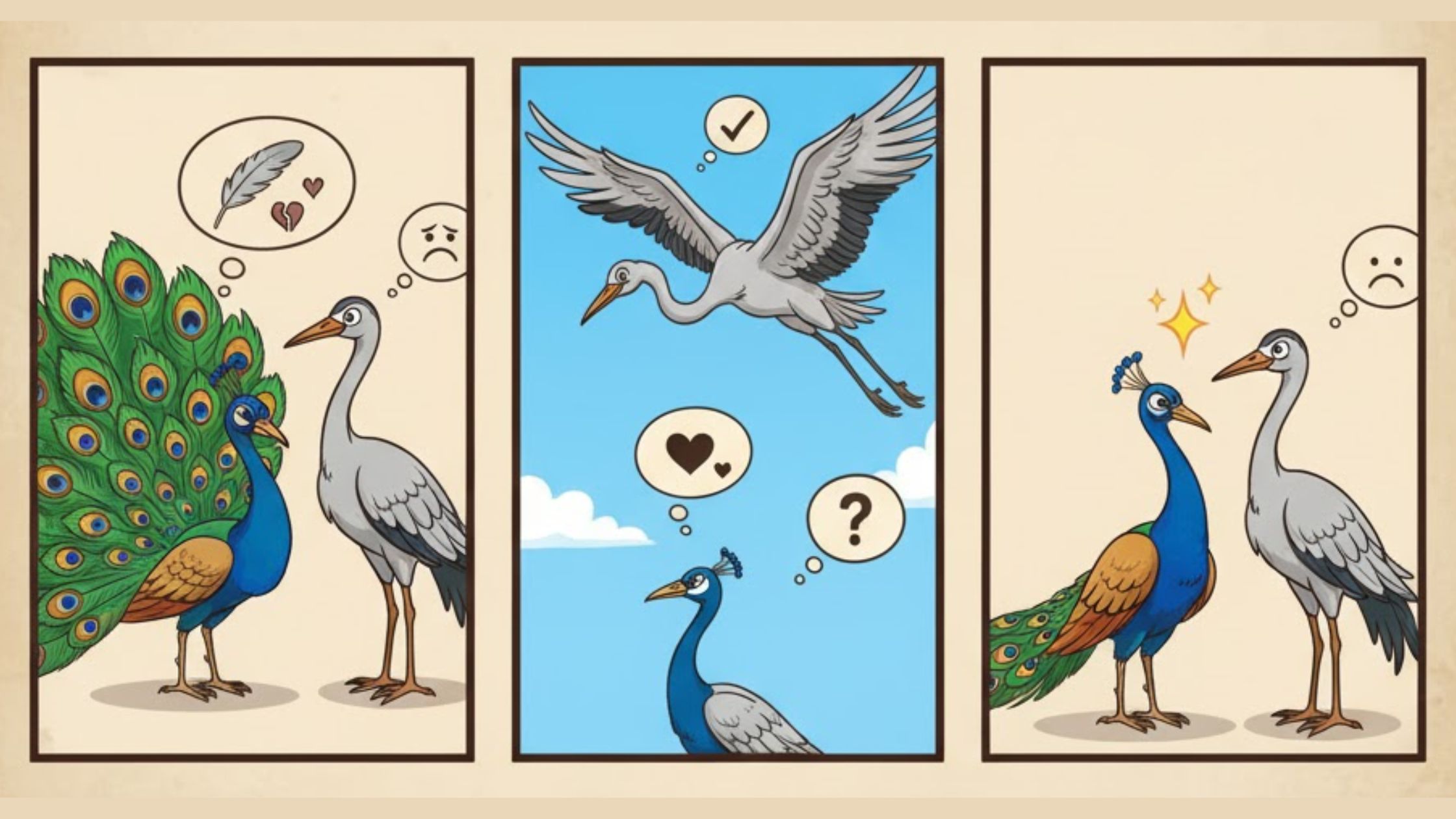
एक मोर ने क्रेन के सादे पंखों का मज़ाक उड़ाया, लेकिन क्रेन ने उड़ने की उसकी क्षमता को महत्व दिया। दोनों भगवान से मिले उपहार से असंतुष्ट थे।
नैतिक: दिखावे से ज्यादा आंतरिक गुण मायने रखते हैं।
27. युवा केकड़ा और उसकी माँ
 Moral: खतरे पर काबू पाने के लिए बुद्धि का प्रयोग करें।
29.
नैतिक: सहयोग से सभी को लाभ होता है।
32. दो मेंढक
एक जल वाहक के पास दो थे बर्तनों में एक दरार थी, हर बार जब वह पानी ले जाता था तो उस दरार से कुछ निकल जाता था।फूटे हुए बर्तन को अपने बारे में तब तक बुरा लगा जब तक उसे एहसास नहीं हुआ कि गिरे हुए पानी ने हरे-भरे क्षेत्र की ओर जाने वाले रास्ते पर फूलों को उगने में मदद की है, जिससे वाहक की यात्रा में सुंदरता जुड़ गई है।
नैतिक: हमारी खामियां कभी-कभी सुंदर परिणाम दे सकती हैं।
36. चतुर कौआ और साँप
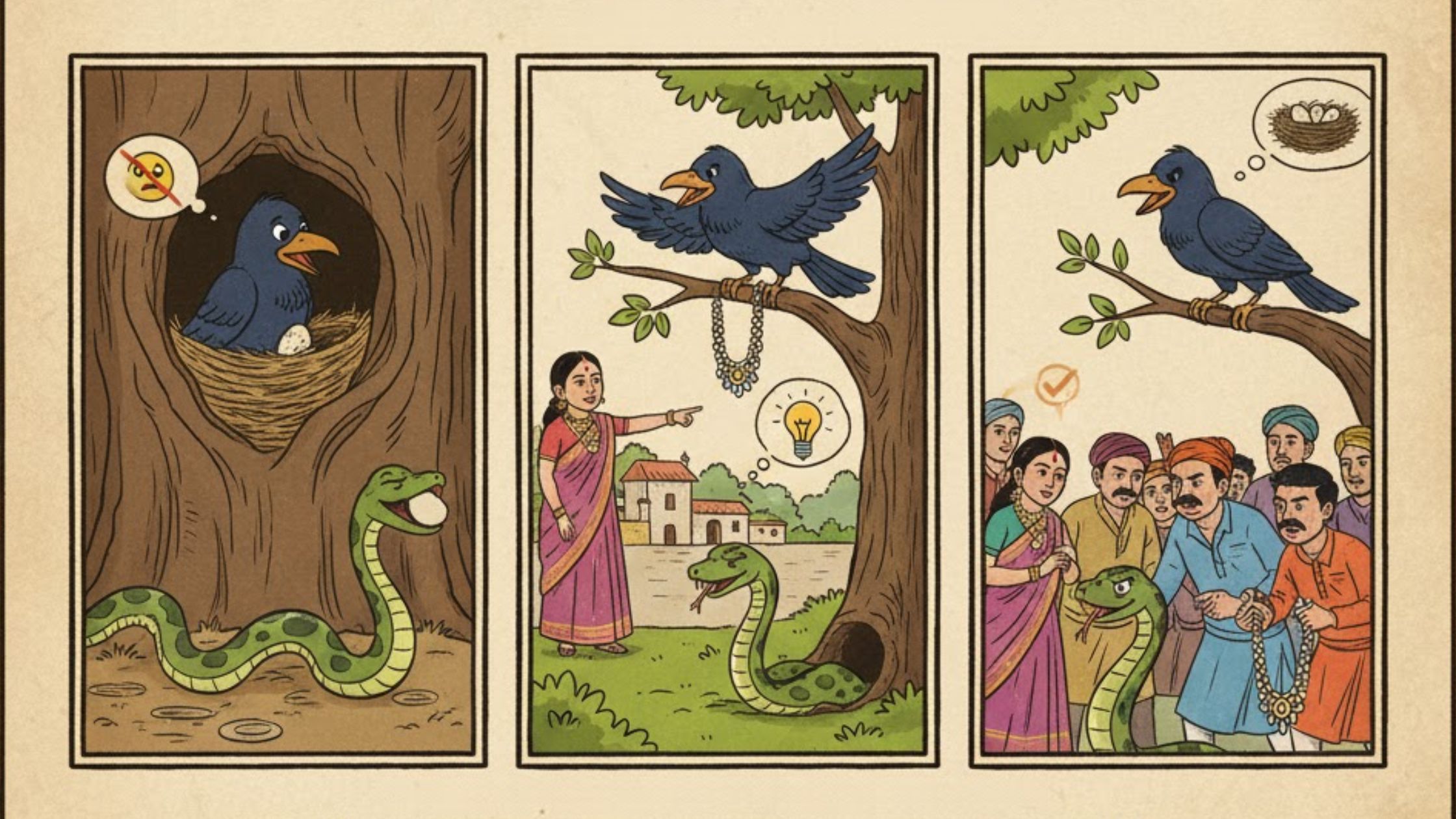
एक सांप छिपकर कौवे के अंडे खाता रहा। कौआ हर बार अपने अंडे छूट जाने के कारण रोती रहती थी, एक दिन उसने देखा कि एक साँप उसके अंडे खा रहा है। कौवे ने अपने दिमाग का इस्तेमाल किया और एक चमकदार हार पाया और उसे सांप के बिल के पास गिरा दिया। जब लोग अपना हार ढूंढने आए, तो उन्होंने सांप को पकड़ लिया और कौवे के अंडे जीवन भर सुरक्षित रहे।
Moral: स्मार्ट सोच बड़ी-बड़ी समस्याओं को भी हल कर सकती है।
37. बुद्धिमान न्यायाधीश
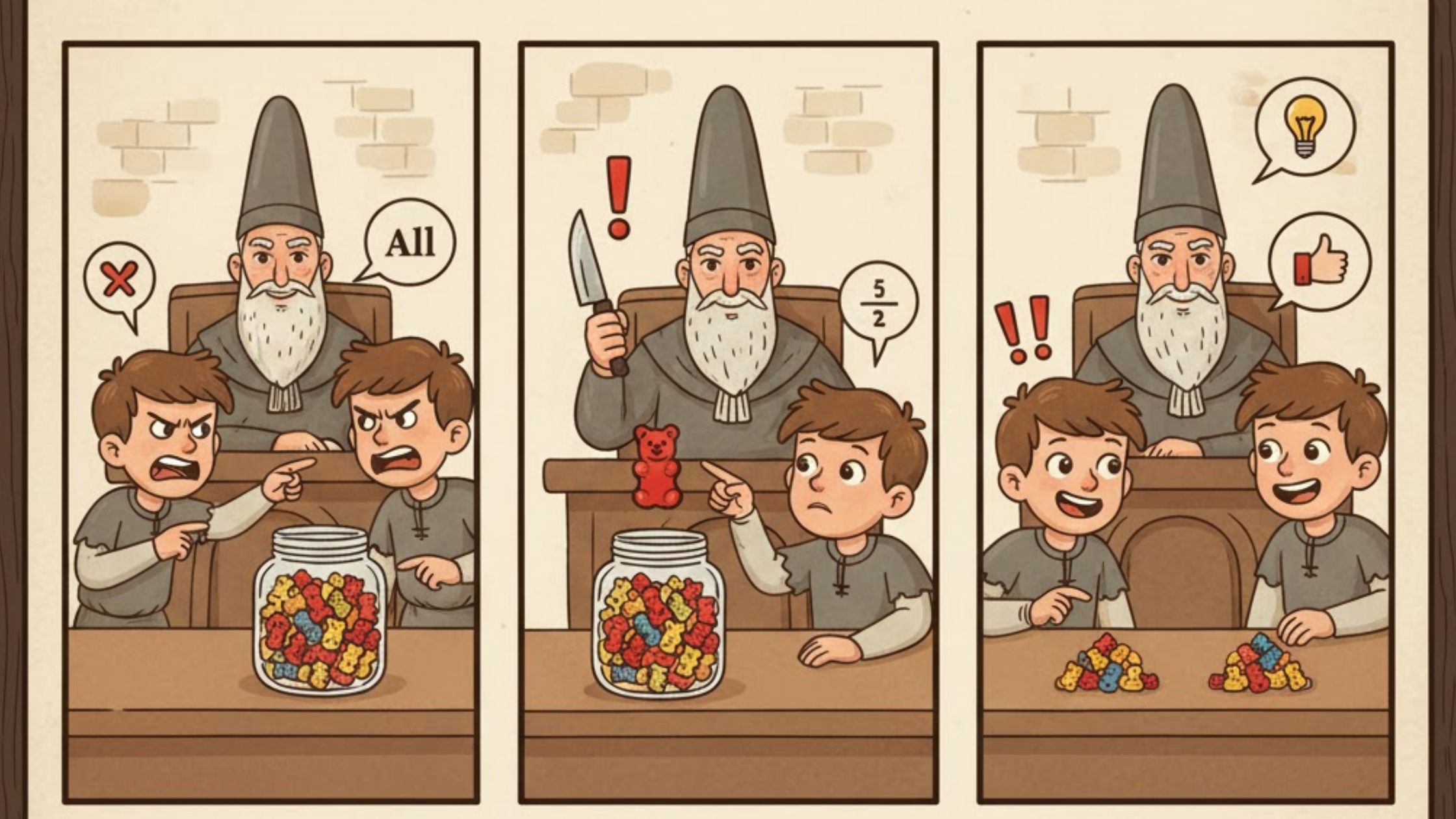
एक गांव में दो भाई गमियों के लिए लड़ रहे थे। एक ने कहा कि हम सब खाएँगे, और दूसरे भाई ने कहा कि वह बाँटने को तैयार है, लेकिन पूरा नहीं। एक न्यायाधीश ने निष्पक्ष और विचारशील होकर एक विवाद का समाधान किया।
नैतिक: निष्पक्षता से न्याय मिलता है।
38. मछुआरा और मछली
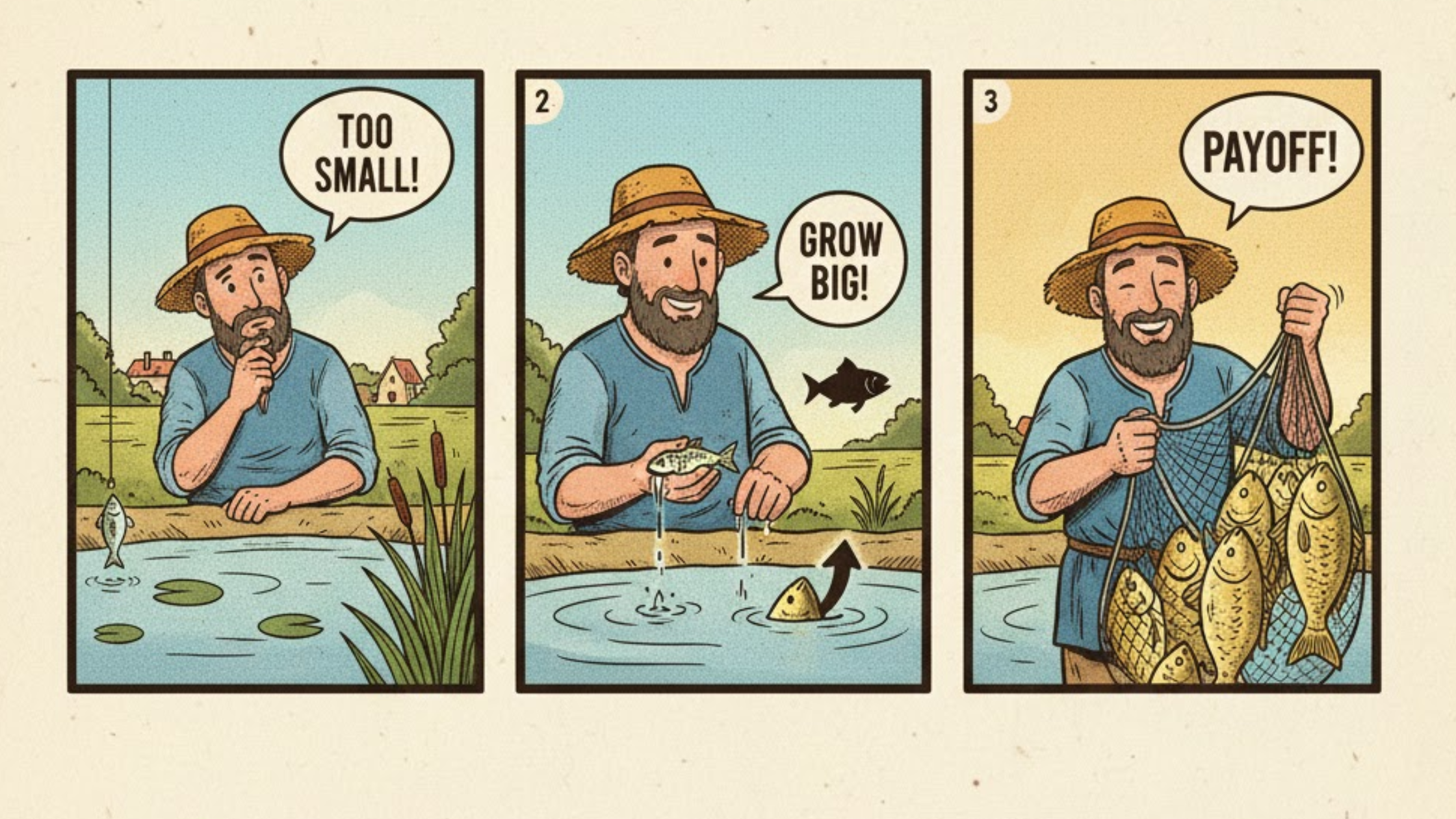
एक गांव में एक मछुआरा था जो रोजाना तालाब से मछलियां पकड़ता था। एक दिन उसने सोचा कि मछलियों को बढ़ने में समय लगता है, क्योंकि उसे सभी छोटी मछलियाँ मिल रही थीं। एक मछुआरे ने एक छोटी मछली को छोड़ दिया, यह जानते हुए कि यह बड़ी हो जाएगी, और वह एक बार में कुछ मछली पकड़ लेगा।
नैतिक: धैर्य फल देता है।
39. दो यात्री और भालू
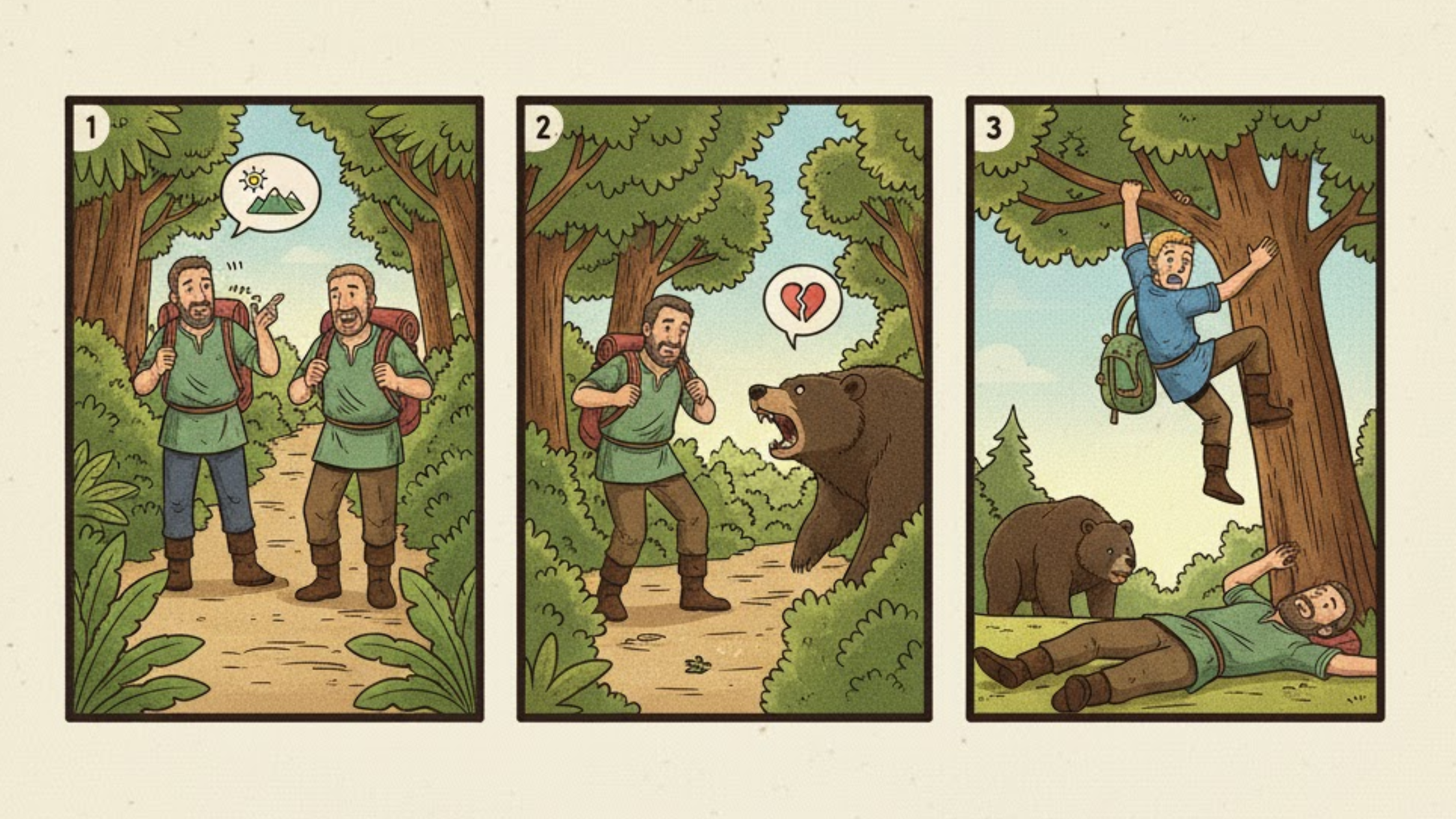
दो सबसे अच्छे दोस्त थे जिन्होंने जंगल में ट्रैकिंग के लिए जाने का फैसला किया। वे बहुत आश्वस्त थे. अचानक उन्होंने एक भालू को अपनी ओर आते देखा, वे दोनों डर गए, और जब भालू सामने आया तो एक दोस्त ने दूसरे को छोड़ दिया, जिससे उसकी कायरता का पता चला।
Moral: सच्चे दोस्त कठिन समय में आपके साथ रहते हैं।
40। शिकारी और कबूतर। class='fr-fic fr-dib'>एक दिन, एक शिकारी ने एक कबूतर को जाल में पकड़ लिया, लेकिन कबूतर घबराया नहीं और शांत रहा। उसने शांति से शिकारी से उसे जाने देने के लिए कहा, क्योंकि उसके छोटे बच्चे उसका इंतजार कर रहे थे, और वादा किया कि वह उसका आभार व्यक्त करेगी। शिकारी उसके दयालु शब्दों से प्रभावित हुआ और उसे मुक्त कर दिया।
नैतिक: दया और विश्वास सबसे कठोर दिलों को भी पिघला सकता है।
अपने बच्चों के लिए कहानी के समय को मनोरंजक कैसे बनाएं
अब जब आपके पास साझा करने के लिए कुछ बेहतरीन कहानियां हैं, तो आइए इस बारे में बात करें कि अपने बच्चे के लिए अनुभव को और बेहतर कैसे बनाया जाए।
- प्रश्न पूछें: प्रत्येक कहानी के बाद, अपने बच्चे से पूछें कि वे पाठ के बारे में क्या सोचते हैं। यह चर्चा को प्रोत्साहित करता है और उन्हें कहानी समझने में मदद करता है।
- साथ पढ़ें: पढ़ने का अनुभव साझा करें। आपका बच्चा आपके साथ पढ़ सकता है, और यह बंधन में बंधने का एक शानदार तरीका है।
- इसे बाहर ले जाएं: दृश्यों को बदलें। पार्क या पिछवाड़े में, या छत पर भी पढ़ने का अनुभव विशेष हो सकता है।
सारांश
नैतिक कहानियां बच्चों को व्यस्त रखने और उन्हें बिना बताए मजेदार और संवादात्मक तरीके से सीखने का सबसे अच्छा तरीका है। यह आपके बच्चे के चरित्र को समझने और उस चरित्र से मेल खाने वाली कहानियों को साझा करने के बारे में है, जिससे वे जुड़ सकते हैं और तेजी से सीख सकते हैं और उनके स्वाद, मूल्य और विश्वास को समझ सकते हैं ताकि आप सर्वश्रेष्ठ कहानीकार माँ या पिता बन सकें।
अपने बच्चे के साथ इन अद्भुत 40 नैतिक कहानियों को साझा करके, आप उन्हें व्यस्त रखेंगे और उनकी रचनात्मकता को बढ़ाने में मदद करेंगे। आप कहानी के समय को एक मज़ेदार और सार्थक गतिविधि में बदल सकते हैं जो आपके बच्चे के साथ आपके बंधन को मजबूत करती है।
FAQs
एक लघु कहानी को बच्चों के लिए "नैतिक कहानी" क्या बनाती है?
एक नैतिक कहानी आम तौर पर वह होती है जिसमें एक सरल कथानक और पात्र (अक्सर जानवर या बच्चे) शामिल होते हैं, और एक स्पष्ट जीवन सबक के साथ समाप्त होती है - जैसे ईमानदारी, दयालुता, दृढ़ता या जिम्मेदारी। ये कहानियाँ बच्चों को मूल्यों को मज़ेदार और यादगार तरीके से समझने में मदद करती हैं। उदाहरण के लिए, नैतिक कहानियों के संग्रह इस बात पर जोर देते हैं कि "बच्चे बेहतर सीखते हैं जब उन्हें कुछ स्पष्ट रूप से दिखाया जाता है" न कि केवल नियमों के रूप में बताया जाता है।
ये नैतिक कहानियाँ किस आयु वर्ग के लिए सबसे उपयुक्त हैं?
अंग्रेजी में नैतिक कहानियाँ शुरुआती स्कूली वर्षों (लगभग 4-10 वर्ष) के बच्चों के लिए विशेष रूप से सहायक होती हैं, हालाँकि बड़े बच्चे भी लाभान्वित हो सकते हैं। मुख्य बात यह है कि बच्चे के पढ़ने और समझने के स्तर से मेल खाने वाली शब्दावली और विषयों वाली कहानियों का चयन किया जाए, ताकि पाठ समझने योग्य और आकर्षक हो।
