Wooby

How Many Almonds Can A Child Eat In A Day
Published On: 22 September 2026
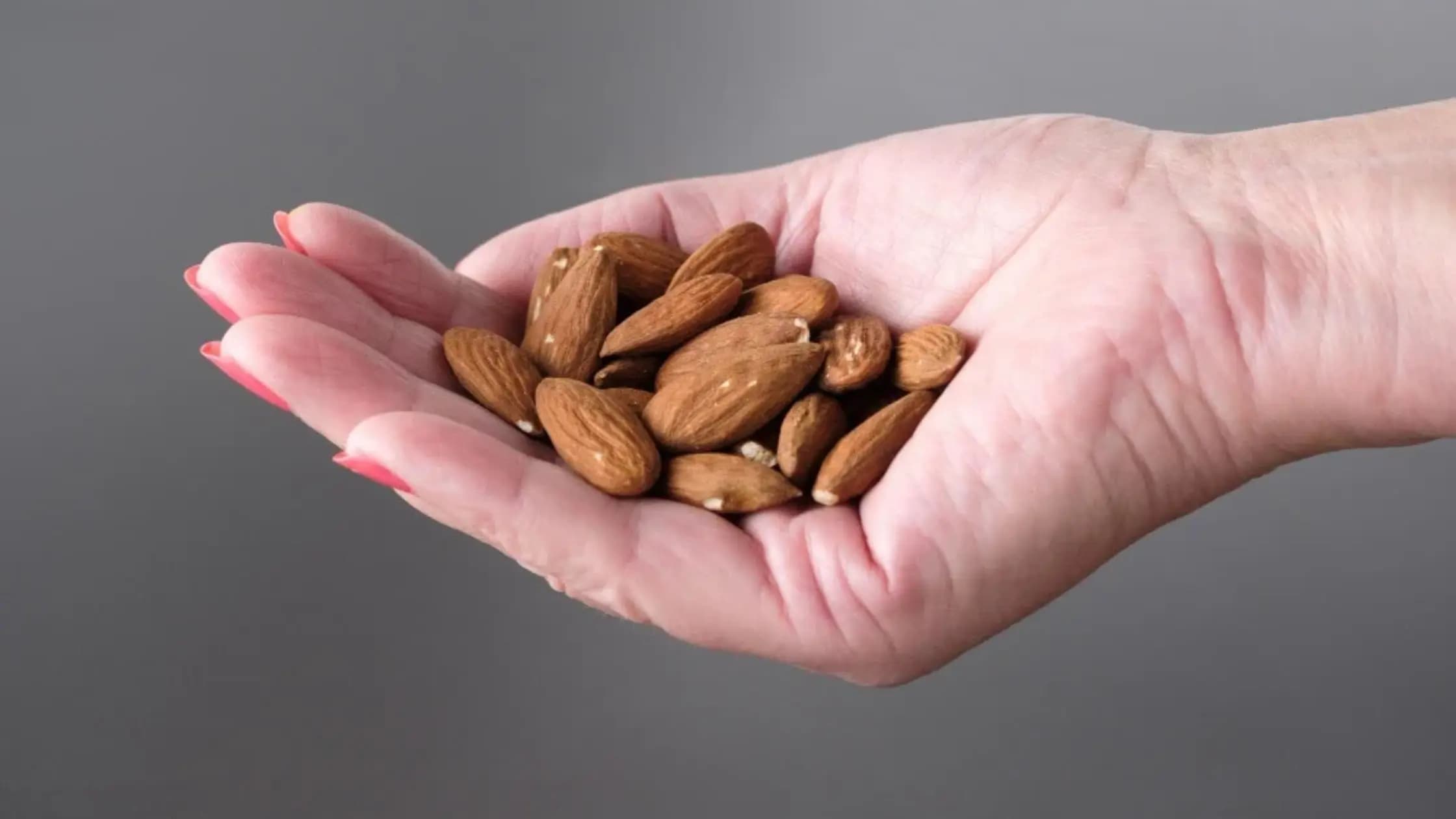
A common question among parents is, "Should I give my kid's almonds to my child? And if yes, then how many, if any? It's a common query. Which every parent may have as there are a lot of rumors into the market. Almonds are frequently referred to as a "superfood," and with good causes attached to it. They are a powerful food for developing children since they are loaded with nutrients including vitamin E, magnesium, healthy fats, and antioxidants. We'll go into every detail in this blog post today on the health benefits of almonds for kids and how to properly add them into their diet.
How Many Almonds Can a Child Eat in a Day?
How to Serve Almonds to Kids
Younger children may choke on whole almonds, so here are several different and safe ways to give them almonds so that they enjoy every bite:
Benefits of Soaking Almonds
Many parents swear by soaking almonds before giving them to their kids. Here’s why soaking almonds is beneficial:
Quick Tips for Including Almonds in Your Child’s Diet
Add chopped almonds to cereals, oatmeal, or yogurt crunchy taste they will love.
Why Are Almonds Good for Kids?
Almonds have a major impact on your child's general development and health as they rich in nutrients. They should be added into your children normal diet for the below reasons:
- Increases Brain Capacity: Almonds are excellent from years are best for memory and brain development since they are high in vitamin E and good fats. Not surprisingly, they are frequently referred to as "brain food". People also say to eat almonds for boosting the brain.
- Strengthens Bones: Almonds, calcium and magnesium promote the growth of strong bones, which is precisely what children require as they become older.
- Strength Immune System: Packed with antioxidants, almonds support children's health and ability to fend off disease.
- Durable Energy: Almonds' protein, good fats, and carbohydrates give kids a consistent energy boost that gets them through hectic school days and fun.
How Many Almonds Can a Child Eat in a Day?
The recommended number of almonds depends on the child’s age, activity level, and dietary needs:
- Toddlers (1–3 years): 3 to 4 almonds a day is enough. Their small tummies need just a little boost from this nutritious snack.
- Young Children (4–9 years): 4 to 6 almonds daily works well for this age child, they’re growing fast, and this addition can benefit from the added nutrients.
- Older Kids (10–18 years): 6 to 10 almonds a day are ideal for this age. Older kids, especially active ones, can handle and benefit from a slightly larger portion.
How to Serve Almonds to Kids
Younger children may choke on whole almonds, so here are several different and safe ways to give them almonds so that they enjoy every bite:
- Almond Powder: Grinded almonds powder and add them to smoothies, milk, or oatmeal. Making and eating almond powder is simple, it’s best for adding extra power.
- Almonds Soaked: Soak almonds for a whole night, then remove the skin and serve them as a soft snack. Additionally, soaking improves the absorption of nutrients. You can also these almonds to make almond milk.
- Nut Butter: For a delicious, high-protein treat, spread nut butter on whole-grain bread or mix it into fruits.
- Homemade Almond Snacks: Use crushed almonds, dates, and oats to make energy balls or almond biscuits.
When to Be Cautious
While almonds are highly nutritious, moderation is key. Overeating almonds may lead to digestive issues like bloating or an upset stomach. Here are a few points to keep in mind:- Watch for Allergies: If your child has a nut allergy, almonds should be avoided altogether. Common signs include rashes, itching, or difficulty breathing.Avoid Salted or Sugar-Coated
- Almonds: Stick to plain or lightly roasted almonds. Added salt and sugar can negate the health benefits.
- Balance with Other Foods: Almonds are healthy, but they shouldn’t replace other essential food groups. Ensure your child eats a balanced diet.
Benefits of Soaking Almonds
Many parents swear by soaking almonds before giving them to their kids. Here’s why soaking almonds is beneficial:
- Makes almonds softer and easier to eat.
- Reduces phytic acid, allowing the body to absorb nutrients easily.
- Enhances digestion, especially for younger children.
Quick Tips for Including Almonds in Your Child’s Diet
Add chopped almonds to cereals, oatmeal, or yogurt crunchy taste they will love.
- Use almond flour for baking pancakes or muffins.
- Blend almonds into milk and make almond milk for your child.
- Sprinkle almonds over sweet rice dishes for older kids.
Summary
Almonds are a great addition to your child's diet when given in moderation because they are full of nutrients that promote growth and general health of children's. Depending on your child age, a few handfuls can enough to supply important vitamins and minerals that improve their general health, brain function, and development. Watch for any allergies in case with your child can have, as you introduce them gradually and safely.
There are many ways to make almonds a tasty and nutritious treat for your child, whether you use them in dishes or as snacks. You may help your child develop lifelong healthy eating habits that will promote their growth and set them up for success by incorporating almonds into their meals on a regular basis.
