Wooby

बच्चों को कम उम्र में सिखाने के लिए 20 नैतिक मूल्य
Published On: 25 September 2026
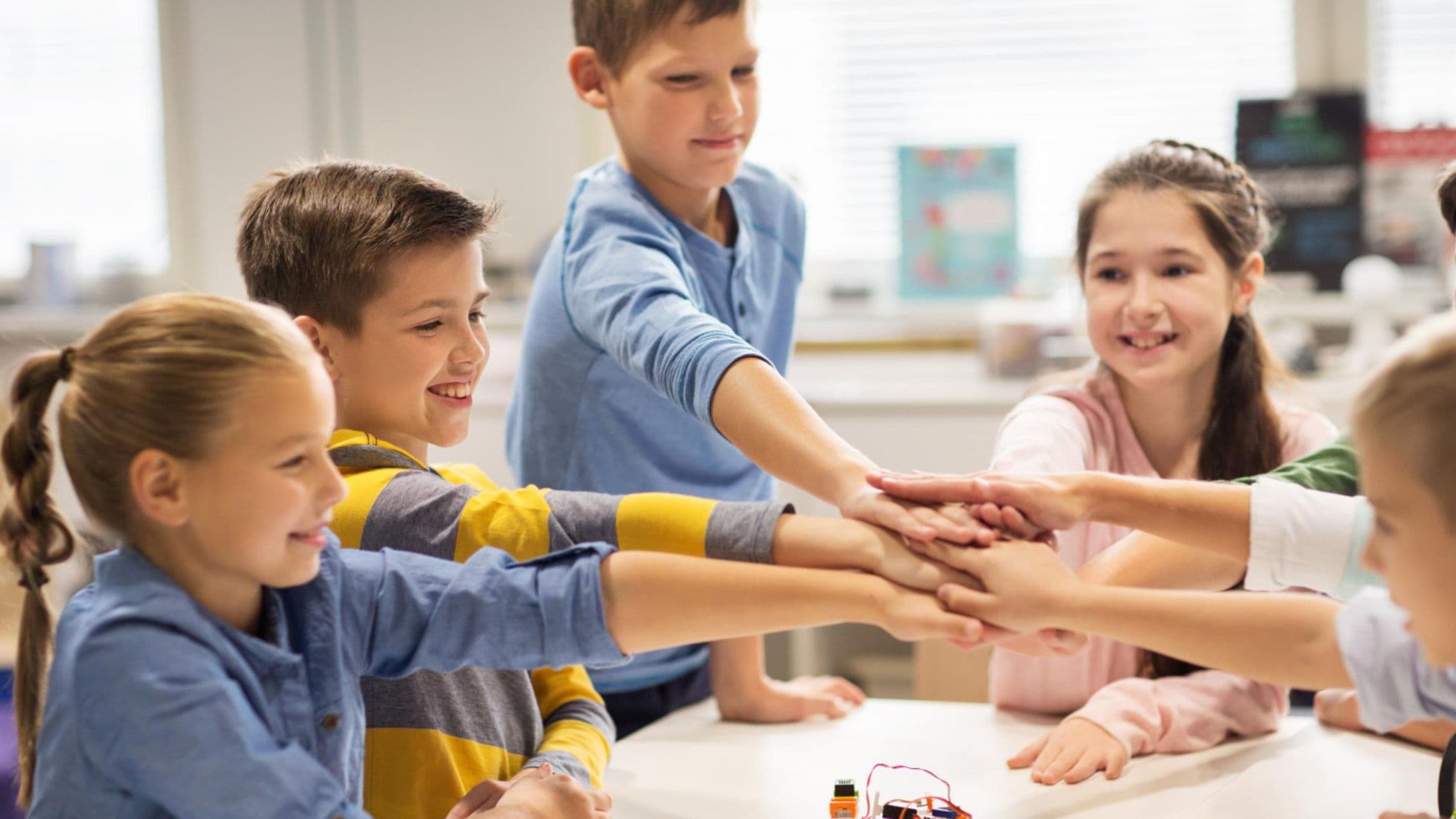
नैतिक मूल्य वे बीज हैं जो हम अपने बच्चे के चरित्र के अंदर बोते हैं, ये मूल्य आपके बच्चे के चरित्र को आकार देने में मदद करते हैं और उन्हें एक जिम्मेदार, दयालु और नैतिक व्यक्ति बनने की दिशा में मार्गदर्शन करते हैं। जैसा कि हर कदम मायने रखता है, इन ब्लॉग पोस्टों में साझा किए गए इन नैतिक मूल्यों को लागू करने की दिशा में उनके छोटे कदम उनके जीवन के लक्ष्यों को बढ़ाते हैं। नैतिक विकास के ये सिद्धांत समृद्ध जीवन की नींव बनाते हैं। तो आइए आज इन नैतिक मूल्यों के साथ शुरुआत करें। हम बताएंगे कि आप इन्हें अपने बच्चे में कैसे विकसित कर सकते हैं:
नैतिक मूल्यों का महत्व
बच्चों को नैतिक निर्णय लेने और नैतिक मूल्यों द्वारा दूसरों के साथ सम्मानपूर्वक व्यवहार करने के लिए निर्देशित किया जाता है, जो ऐसे नियम हैं जो स्थापित करते हैं कि क्या सही है और क्या गलत है। यहां बताया गया है कि नैतिक मूल्य महत्वपूर्ण क्यों हैं:
- नैतिक मूल्य बच्चों को उनके चरित्र निर्माण में मदद करते हैं, जो उनके समग्र भविष्य का फैसला करेगा। सही मूल्यों और विश्वास वाले बच्चे दुनिया को पूरी तरह से बदल सकते हैं, क्योंकि हमारे पास वास्तविक जीवन के बहुत सारे उदाहरण हैं। नैतिक मूल्य उन्हें मजबूत और विनम्र व्यक्तित्व विकसित करने में मदद करते हैं।
- नैतिक मूल्य उन्हें सहानुभूति का गुण विकसित करने में मदद करते हैं और दूसरों की भावनाओं के साथ-साथ अपनी भावनाओं को भी समझना और उनकी देखभाल करना सीखते हैं।
- नैतिक मूल्य उन्हें अपने कार्यों और काम का स्वामित्व लेने में मदद करते हैं, और उन्हें जीवन में जिम्मेदारियां लेने में मदद करते हैं। bis_size='{'x':59,'y':368,'w':779,'h':38,'abs_x':364,'abs_y':986}'>सम्मान, दयालुता और धैर्य जैसे नैतिक मूल्य उन्हें दूसरों के साथ स्वस्थ संबंध बनाने और समग्र सकारात्मक चरित्र बनाने में मदद करते हैं।
नीचे साझा की गई इन सीखों से, बच्चे दृढ़ संकल्प, लचीलेपन और ईमानदारी के साथ जीवन में कठिन चुनौतियों का सामना करना सीखते हैं। नीचे दिए गए साझा नैतिक मूल्यों को सिखाने से उन्हें बड़े लक्ष्य हासिल करने और जीवन में सकारात्मक परिणाम प्राप्त करने में मदद मिलेगी।
20 बच्चों के लिए नैतिक मूल्य
1. ईमानदारी
ईमानदारी का अर्थ है शब्दों और कार्यों में सच्चा होना। अपने बच्चे को समझाएं कि झूठ क्यों विश्वास और रिश्तों को नुकसान पहुंचा सकता है। चूँकि झूठ न केवल उन्हें एक बार बचाता है बल्कि उन्हें मुसीबत में भी डाल सकता है, एक बार जब वे ईमानदारी का मूल्य समझ जाते हैं, तो वे झूठ का सहारा नहीं लेंगे। उन्हें हमेशा सच बोलने की याद दिलाएं, भले ही यह चुनौतीपूर्ण हो या कठिन समय हो। खोई हुई वस्तुओं को लौटाने या गलतियों को स्वीकार करने जैसे सरल उदाहरणों का उपयोग करें।ईमानदारी विकसित करने का आसान तरीका बस उन्हें ईमानदारी से संबंधित कहानियाँ सुनाना है, जिन्हें आप ब्लॉग. जैसा कि ठीक ही कहा गया है, 'ईमानदारी सबसे अच्छी नीति है।' bis_size='{"x":20,"y":682,"w":81,"h":20,"abs_x":325,"abs_y":1300}'>2. सम्मान
सम्मान दूसरे की भावनाओं, विचारों, राय, विश्वासों और व्यक्तिगत स्थान को महत्व देने के बारे में है। अपने बच्चे को सिखाएं कि जब दूसरे बोलें तो उन्हें सुनना चाहिए, बीच में बोलने से बचना चाहिए और सभी के साथ दयालुता से पेश आना चाहिए। आप सबसे पहले उनके और अन्य लोगों के साथ विनम्रता और सकारात्मक रूप से बात करने का प्रदर्शन करके शुरुआत करें, क्योंकि वे आपकी नकल करेंगे। bis_size='{"x":20,"y":797,"w":132,"h":20,"abs_x":325,"abs_y":1415}'>3. ज़िम्मेदारी
जिम्मेदारी में कार्यों का स्वामित्व लेना और कर्तव्यों को पूरा करना शामिल है। इसे विकसित करने का एक व्यावहारिक तरीका यह है कि उन्हें उम्र के अनुरूप कार्य सौंपना शुरू करें जिन्हें उन्हें स्वयं पूरा करना है, उदाहरण के लिए, अपने कमरे की सफाई करना। उन्हें दिखाएँ कि कैसे ज़िम्मेदार होने से दूसरों को मदद मिलती है और वे भरोसेमंद बनते हैं। एक सफल बच्चे में जिम्मेदारी लेना सबसे महत्वपूर्ण मूल्यों में से एक है।
4. दयालुता
दया दूसरों के लिए देखभाल और चिंता दिखाना है। अपने बच्चे को किसी समस्या में किसी की मदद करने, उनके पास जो कुछ है उसे साझा करने या किसी मित्र का समर्थन करने के लिए प्रोत्साहित करें। यहां तक कि दयालुता के सबसे छोटे संकेत भी किसी के दिन को खुश या आसान बना सकते हैं और सहानुभूति बढ़ा सकते हैं। उनकी भलाई के लिए दयालु होने का महत्व बताएं। bis_size='{"x":20,"y":1048,"w":97,"h":20,"abs_x":325,"abs_y":1666}'>5. आभार
कृतज्ञता का मतलब है कि आपके पास जो कुछ भी है उसके लिए प्रकृति या भगवान की सराहना करना और आभारी होना, जैसा आप चाहें, अपनी मान्यताओं के अनुसार। जब आपके बच्चे को सहायता या उपहार मिले, तो उसे "धन्यवाद" कहने के लिए प्रोत्साहित करें। उन्हें मित्रों, परिवार और स्वास्थ्य सहित जीवन की अच्छी चीज़ों पर नज़र रखने का निर्देश दें। और जो कुछ उनके पास है उसके लिए आभारी रहें, और किसी भी चीज़ के बारे में अहंकार न करें, क्योंकि इस पर हमारा नियंत्रण नहीं है, और अधिकांश लोगों के पास संसाधनों तक पहुंच नहीं है। यदि वे 10 वर्ष से अधिक उम्र के हैं, तो उन्हें अपनी डायरी में कृतज्ञता की 5 पंक्तियाँ लिखने के लिए कहें। bis_size='{"x":20,"y":1201,"w":116,"h":20,"abs_x":325,"abs_y":1819}'>6. करुणा
करुणा का अर्थ है दूसरों की भावनाओं को समझना और मदद करना चाहना। ऐसी कहानियाँ साझा करें जहाँ कोई कठिन समय में मदद की पेशकश करता है। अपने बच्चे को प्रोत्साहित करें कि जब कोई परेशान हो तो ध्यान दें और पूछें कि वे कैसे सहायता कर सकते हैं।
7.गोरापन
निष्पक्षता बच्चों को सभी के साथ समान व्यवहार करना और संसाधनों को साझा करना सिखाती है। यह हमेशा ऐसे निर्णय लेने के बारे में है जो सभी के लिए अच्छे हों। उदाहरण के लिए, आपको 2 केले मिले, और आपने उसे उन्हें बराबर-बराबर बाँटने को कहा, और आपके बच्चे ने वैसा ही किया। साथ ही इससे निष्पक्षता का संकेत भी मिलता है. बताएं कि कैसे निष्पक्षता विश्वास और सद्भाव का निर्माण करती है।
8. माफ़ी
शिकायत को छोड़ देना और आगे बढ़ना क्षमा के दो पहलू हैं। अपने बच्चों को अपमानित महसूस होने पर गुस्सा रोकने के बजाय माफ करना सिखाएं। समझाएं कि क्षमा किस प्रकार क्षमा करने वाले को लाभ पहुंचाती है और रिश्तों को ठीक करने में मदद करती है। bis_size='{"x":20,"y":1510,"w":124,"h":20,"abs_x":325,"abs_y":2128}'>9. दृढ़ता
दृढ़ इच्छाशक्ति के साथ कठिनाइयों का सामना करते रहने की क्षमता ही दृढ़ता है। अपने बच्चे को सिखाएं कि चुनौतियों का सामना करना सीखने की प्रक्रिया का एक आवश्यक हिस्सा है। जो लोग चुनौतियों का सामना नहीं करते वे कभी आगे नहीं बढ़ते। उनसे किसी चुनौतीपूर्ण कार्य को पूरा करने या किसी कौशल का अभ्यास करने का आग्रह करें जब तक कि वे उसमें अच्छे न हो जाएं।
10. विनम्रता
अच्छे शिष्टाचार, जैसे "कृपया" कहना; और "मुझे क्षमा करें," विनम्र होने के उदाहरण हैं. अपने बच्चे को सिखाएं कि दयालु होने से दूसरों के प्रति सम्मान विकसित होता है और अच्छा प्रभाव पड़ता है। विनम्र होने का मतलब चुप रहना नहीं है; यह कमरे में सकारात्मक ऊर्जा ले जाने के बारे में है। bis_size='{"x":20,"y":1741,"w":125,"h":20,"abs_x":325,"abs_y":2359}'>11. स्व-नियंत्रण
आत्म-नियंत्रण भावनाओं और कार्यों को प्रबंधित करना है। जीवन में सफल होने के लिए यह सबसे महत्वपूर्ण गुणों में से एक है, यह जानना कि जीवन के कई चरणों में भावनाओं को नियंत्रित करना महत्वपूर्ण हो जाता है, अपने बच्चे को प्रतिक्रिया करने से पहले रुकना सीखने में मदद करें, खासकर जब गुस्सा या परेशान हो। साँस लेने के व्यायाम या दस तक गिनती उपयोगी तकनीक हो सकती है।
12. सहनशीलता
दूसरों की मान्यताओं, विचारों और सांस्कृतिक विविधता को स्वीकार करना सहिष्णुता का प्रतीक है। अपने बच्चे को सिखाएं कि पृष्ठभूमि की परवाह किए बिना, हर कोई सम्मान का हकदार है और विविधता दुनिया को रहने के लिए एक खूबसूरत जगह बनाती है। जैसा कि प्रत्येक संस्कृति का अपना महत्व होता है, जिसे दूसरों को स्वीकार करना अच्छा नहीं लग सकता है; विश्वास भी महत्वपूर्ण है। bis_size='{"x":20,"y":1972,"w":115,"h":20,"abs_x":325,"abs_y":2590}'>13.उदारता
जो आपके पास है उसे दूसरों के साथ साझा करना जिससे मदद मिलेगी, उदारता कहलाती है। अपने बच्चों को खिलौने, समय या यहाँ तक कि तारीफ जैसी चीज़ें साझा करने के लिए प्रोत्साहित करें। वर्णन करें कि कैसे देने से देने वाला और प्राप्तकर्ता दोनों खुश होते हैं, न केवल चीजें, बल्कि अच्छी टिप्पणियाँ और विचार भी। bis_size='{"x":20,"y":2088,"w":99,"h":20,"abs_x":325,"abs_y":2706}'>14. नम्रता
विनम्रता में उपलब्धियों के बारे में विनम्र रहना शामिल है। अपने बच्चे को बिना घमंड किए अपनी ताकत को स्वीकार करना और दूसरों की सराहना करना सिखाएं। प्रयास। उन्हें बताएं कि विनम्रता और नम्र होना समाज और आम तौर पर लोगों के लिए कितना उपयोगी है।
15. टीम वर्क
जब लोग किसी एक लक्ष्य को प्राप्त करने के उद्देश्य से समूह में काम करते हैं, तो इसे टीम वर्क कहा जाता है। अपने बच्चे को टीम खेल या पारिवारिक परियोजनाओं जैसी समूह गतिविधियों में शामिल करें। सहयोग के महत्व और सभी के योगदान को महत्व देने पर जोर दें।
16. धैर्य
धैर्य का अर्थ है बिना निराशा के शांति से प्रतीक्षा करना। धैर्य का अर्थ विचलित हुए बिना सर्वश्रेष्ठ की प्रतीक्षा करना है। आम के पेड़ की तरह, उन्हें खेल में अपनी बारी का इंतजार करवाकर या लाइन में खड़ा करके धैर्य का अभ्यास कराएं। धैर्य रखकर बच्चे लंबे समय तक अपने काम और लक्ष्य पर टिके रह सकते हैं और जीवन में उत्कृष्टता प्राप्त कर सकते हैं। कहानियों और उदाहरणों का उपयोग करके, अपने बच्चे को बताएं कि धैर्य दीर्घकालिक लक्ष्यों को प्राप्त करने में कैसे मदद करता है।
17. साहस
साहस लक्ष्य के लिए खड़े रहने की क्षमता है, भले ही यह चुनौतीपूर्ण हो या स्थिति बदतर हो। अपने बच्चे को सम्मानपूर्वक अपनी राय व्यक्त करने या बदमाशी की रिपोर्ट करने के लिए प्रोत्साहित करें। साहस का तात्पर्य पूरी ऊर्जा और भावना के साथ सत्य या लक्ष्य पर टिके रहना है। उन्हें प्रेरित करने के लिए बहादुर व्यक्तियों की कहानियाँ साझा करें। उन्हें स्कूल की गतिविधियों में भाग लेने के लिए प्रेरित करें जहाँ वे सार्वजनिक रूप से गतिविधियाँ करते हैं और उनका आत्मविश्वास बढ़ाते हैं।
18. सफ़ाई
खुद को और पर्यावरण को साफ रखना स्वच्छता के दो पहलू हैं, जिसका मूल रूप से मतलब हमारे आस-पास की चीजों को साफ करना और हमारे शरीर की स्वच्छता बनाए रखना है। चूँकि शरीर हमारा पहला घर है, इसलिए आपके बच्चे को यह समझना चाहिए कि स्वच्छता अपनाने से उन्हें बहुत मदद मिलती है, न केवल उनका रूप निखारता है बल्कि उन्हें कीटाणुओं और जीवाणुओं से सुरक्षित रहने में भी मदद मिलती है। सुनिश्चित करें कि वे अपने हाथ धोएं, अपने आस-पास साफ़ जगह रखें और पर्यावरण के प्रति जागरूक रहें।
19.वफ़ादारी
दोस्तों, परिवार और प्रतिबद्धताओं के प्रति वफादार रहना ही वफादार होने का मतलब है। वफादारी वह गुण है जो किसी भी सफल व्यक्तित्व में जीवन के किसी न किसी मोड़ पर पाया जा सकता है, उन्होंने अपने काम, विचार या प्रियजनों के प्रति वफादारी दिखाई। अपने युवाओं को अपनी बात रखने और उन लोगों का समर्थन करने का महत्व सिखाएं जिन्हें आप प्यार करते हैं। bis_size='{"x":20,"y":2801,"w":83,"h":20,"abs_x":325,"abs_y":3419}'>20. न्याय
न्याय में सही के लिए खड़ा होना और दूसरों के साथ उचित व्यवहार करना शामिल है। चाहे चुनौती कोई भी हो, न्याय और निष्पक्षता को हमेशा बढ़ावा देना हर व्यक्ति को करना चाहिए, इससे एक अच्छे समाज के निर्माण में मदद मिलती है। उन नेताओं की कहानियाँ साझा करें जिन्होंने न्याय का पालन किया और जीवन में सफल हुए। निष्पक्ष निर्णय लेने से लेकर निर्णय लेने तक, न्याय हमेशा आधार होना चाहिए।
अपने बच्चों को नैतिक मूल्यों के विकास में कैसे मदद करें:
- एक हीरो बनें: अपने बच्चे के लिए एक उदाहरण स्थापित करें, क्योंकि वे जो देखते हैं उसकी नकल करने की कोशिश करते हैं, और ज्यादातर बच्चे अपने माता-पिता से सीखते हैं।
- कहानियों का उपयोग करें: बच्चों को जागरूक करने और उदाहरणों के साथ नैतिक मूल्यों को समझाने के लिए कहानियां सबसे अच्छा तरीका है। आप Wooby पर बच्चों के लिए नैतिक मूल्य की कहानियाँ पढ़ सकते हैं।
- अच्छे व्यवहार की प्रशंसा करें: अच्छे कार्यों को स्वीकार करें और पुरस्कृत करें, क्योंकि इससे आपको अन्य समान कार्य करने के लिए प्रेरणा प्राप्त करने में मदद मिलेगी।
- अवसर बनाएं: दोस्तों और स्वयंसेवा के साथ समूह गतिविधियां आत्मविश्वास और व्यक्तित्व बनाने में मदद करती हैं।
सारांश
नैतिक मूल्यों को पढ़ाना आपके बच्चे के भविष्य में एक निवेश है जिसे आप आज करते हैं और हर दिन इसका रिटर्न पाते हैं। उपरोक्त साझा मूल्यों के साथ, आपके बच्चे जीवन को अर्थ के साथ जीना सीखते हैं, और उनका जीवन आसान और अधिक आनंदमय हो जाता है। इन नैतिक मूल्यों के साथ वे परिणाम के लिए आत्मविश्वास, साहस, सहानुभूति और अखंडता प्राप्त करते हैं। आप उन्हें जीवन में किसी भी चुनौती का सामना करने और सहानुभूति और सकारात्मक दृष्टिकोण के साथ जीवन जीने के लिए तैयार कर रहे हैं। सफलता के लिए आवश्यक नैतिक मूल्यों को विकसित करने के लिए वास्तविक जीवन के उदाहरणों और कहानियों का उपयोग करें।
