Wooby

बच्चों के दांत कब निकलते हैं? संपूर्ण अभिभावक मार्गदर्शिका
Published On: 24 September 2026
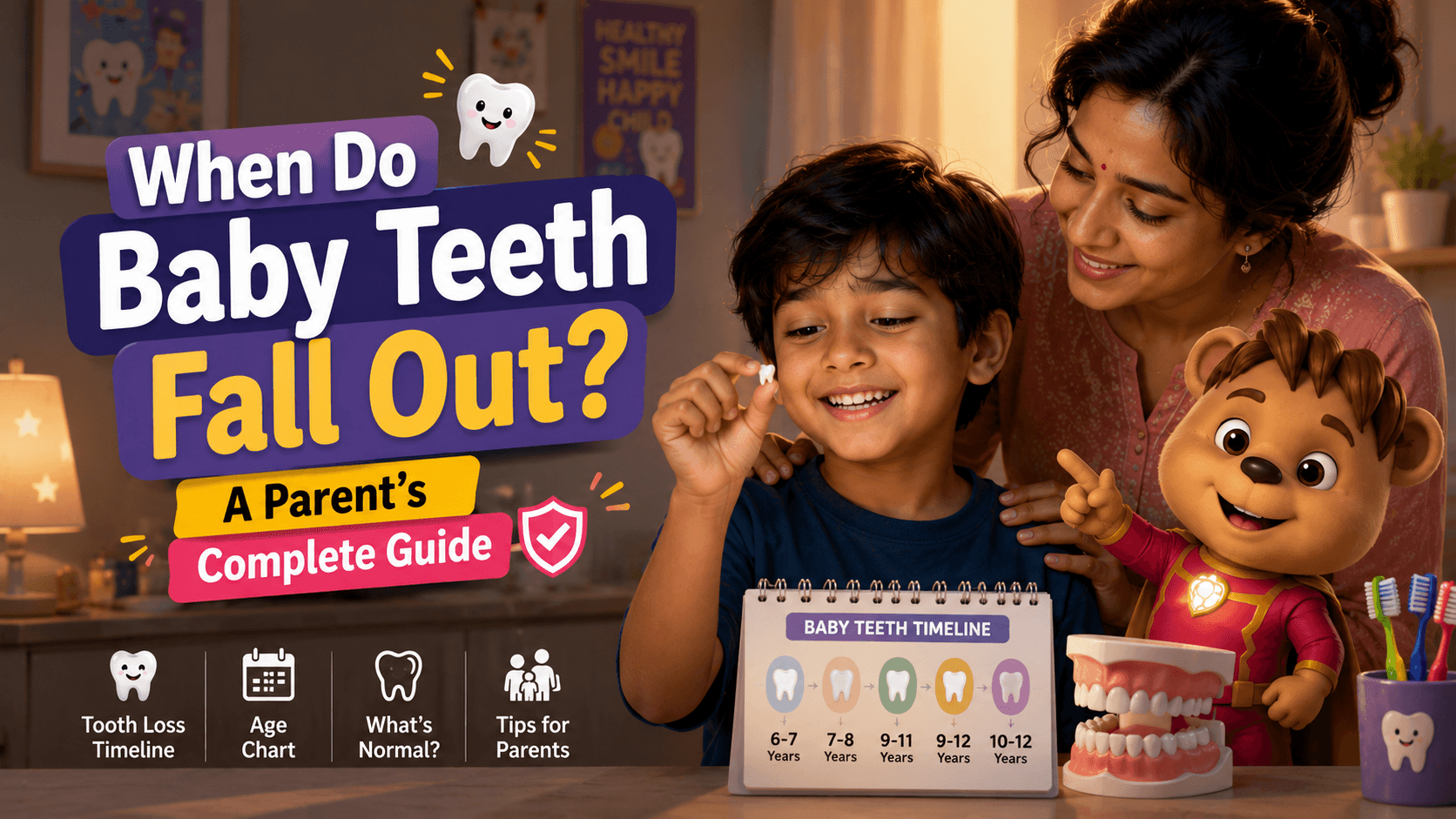
अपने बच्चे के दांतों के विकास की प्राकृतिक प्रगति को समझने के इच्छुक माता-पिता के लिए, "बच्चों के दांत कब गिरते हैं?" जैसे प्रश्न हैं। उत्पन्न हो सकता है.
अधिकांश बच्चे आमतौर पर 6 साल की उम्र के आसपास इन प्राथमिक दांतों को खोना शुरू कर देते हैं और लगभग 12 साल की उम्र तक जारी रहते हैं। हालाँकि प्रत्येक बच्चे के शेड्यूल में कुछ भिन्नताएँ होंगी, सामान्यतया, यदि इस प्रक्रिया में औसत से थोड़ा अधिक (या कम) समय लगता है, तो इसमें बहुत अधिक चिंता की बात नहीं है। सामान्य तौर पर, बच्चे के दांत, जिन्हें प्राथमिक या दूध के दांत के रूप में भी जाना जाता है, चबाने, बोलने और स्थायी दांतों को सही जगह पर निकालने के लिए महत्वपूर्ण होते हैं। आपके बच्चे के दूध के दांतों की समय-सीमा जानने से उन्हें अपने आगामी परिवर्तनों के बारे में तैयार और जानकार महसूस करने में मदद मिल सकती है।
तो यहां वह सब कुछ है जो आपको जानना चाहिए कि बच्चों के दांत कब निकलने लगते हैं।
त्वरित उत्तर
अधिकांश बच्चे 5 से 7 वर्ष की आयु के बीच अपने पहले दूध के दांत खो देते हैं, और यह अक्सर सामने के निचले दांतों से शुरू होता है। यह अवस्था शिशु के दांतों के गिरने के साथ तब तक जारी रहती है जब तक कि अधिकांश स्थायी दांत नहीं निकल आते, आमतौर पर 11-13 वर्ष की आयु में। यह ध्यान दिया जाना चाहिए कि समय में छोटे उतार-चढ़ाव बिल्कुल ठीक हैं, क्योंकि हर कोई विशिष्ट रूप से विकसित होता है, जिसमें दांत निकलना भी शामिल है।
बच्चे के दांत किस उम्र में निकलते हैं?
प्रत्येक बच्चे को कुल 20 दूध के दांत मिलते हैं। आमतौर पर अधिकांश स्थायी दाँत फूटने तक गिरना।
हालाँकि, ये दाँत पूरी तरह से रातों-रात गायब नहीं होते हैं, बल्कि नीचे विकसित होने और हल्का दबाव डालने पर उनके अनुरूप स्थायी दाँत बाहर आ जाते हैं।
इसका मतलब यह है कि सबसे पहले गायब होने वाले वे लोग होते हैं जो जबड़े के सामने (विशेष रूप से निचले हिस्से में) दिखाई देते हैं, पीछे के दांत और दाढ़ बाद में ख़त्म हो जाते हैं।
<पी> बारह वर्ष की आयु तक, अधिकांश बच्चों के दूध के दाँत ख़त्म हो चुके होंगे, हालाँकि आनुवंशिकी और विकास से संबंधित अन्य कारक इस मानक से मामूली बदलाव लाने में भूमिका निभा सकते हैं।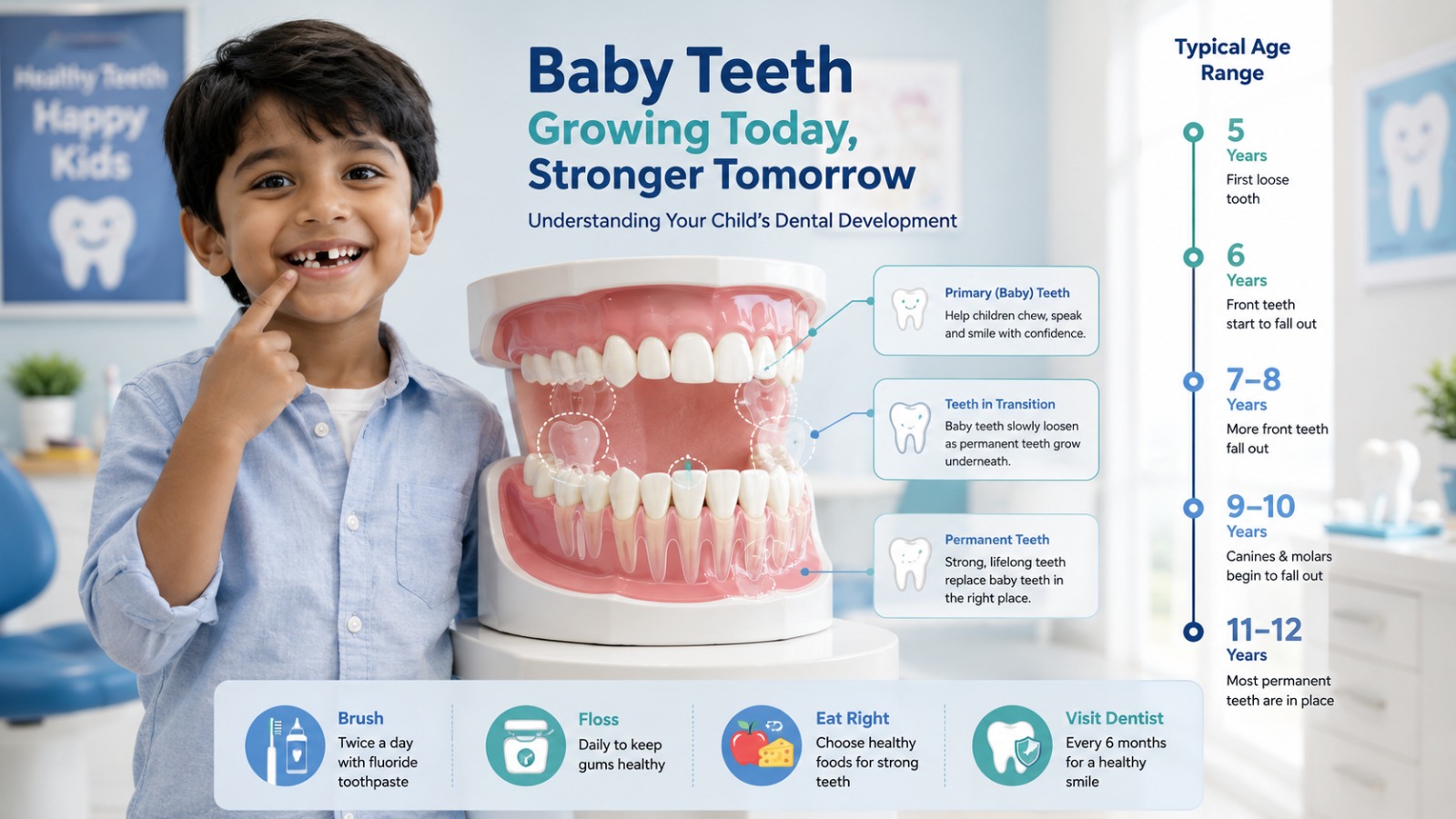
बच्चे के दांत निकलने की समयरेखा
दांत आम तौर पर उसी पैटर्न का पालन करते हैं जिसमें वे अधिकांश भाग में वापस बढ़ते हैं।
दांत गिरने की आयु चार्ट
<तालिका शैली = "चौड़ाई: 772px; ऊँचाई: 179px;"> <सिर>इसके अलावा, यदि आपके बच्चों के दंत चिकित्सक को इस बारे में कोई चिंता नहीं है, तो उनकी उम्र में कई महीनों या यहां तक कि एक वर्ष का अंतर भी हो सकता है।
कौन सा शिशु का दांत सबसे पहले निकलता है?
ज्यादातर बच्चों में, पहला ढीलापन निचले केंद्रीय कृन्तकों, दो निचले सामने के दांतों के साथ होता है।
इसके तुरंत बाद, आपके बच्चे के ऊपरी सामने के दांत भी गिरने लगते हैं, जिससे उन्हें एक मनमोहक गैप-टूथ लुक मिलता है, जिसे वे 6 से 7 साल की उम्र में दिखाना पसंद करते हैं, और यह तब भी होता है जब आप उन्हें एक क्लासिक टूथ फेयरी उम्मीदवार मान सकते हैं।

संकेत कि आपके बच्चे का दांत टूटने वाला है
यदि आपके बच्चे का दांत गिरने की कगार पर है, तो कुछ विशिष्ट लक्षण हैं जो आपके बच्चे को दिखाई दे सकते हैं।
सामान्य संकेतों में शामिल हैं
आपके बच्चे के दंत विकास के लिए सभी बिल्कुल सामान्य चीज़ें!
क्या होगा अगर बच्चे के दांत जल्दी निकल जाएं?
कभी-कभी कोई बच्चा 5 साल का होने से पहले ही अपने पहले दूध के दांत खो सकता है।
ऐसा होने के कई कारण हैं।
संभावित कारण
यदि आपके बच्चे के दूध के दांत समय से पहले ही गिर जाते हैं, तो आपको अपने बाल रोग विशेषज्ञ के पास जाना चाहिए। यह इस बात पर प्रभाव डाल सकता है कि स्थायी दांत कैसे बढ़ता है और इसके लिए स्थान अनुरक्षक की आवश्यकता होगी।
अगर मेरे बच्चे के दांत नहीं गिरे तो क्या होगा?
5 से 6 साल की उम्र से बच्चों का पहला दांत टूटना शुरू हो जाना सामान्य बात है, लेकिन कुछ बच्चों को इससे अधिक समय लग सकता है। कुछ लोगों का पहला दांत 7 वर्ष (या उससे भी बाद) तक नहीं गिरता।
दांतों का देर से गिरना हो सकता है क्योंकि
- आपके वयस्क दांत सामान्य से धीमी गति से बढ़ रहे हैं।
- आपके परिवार में दांतों के देर से विकसित होने का इतिहास है। आपके स्थायी दांत का कोई निशान नहीं है; यह घटना दुर्लभ है।
- बच्चे का दांत अपनी जगह पर रहता है।
यदि आप चिंतित हैं कि आपका बच्चा आठ साल की उम्र तक पहुंचने पर एक दांत खो देगा, तो दंत परीक्षण अवश्य कराएं।
दांत टूटने के दौरान अपने बच्चे की देखभाल कैसे करें
हालांकि दांत गिरना रोमांचक खबर हो सकती है, लेकिन अपने दांतों के स्वास्थ्य की अच्छी देखभाल करना याद रखें।
अपने बच्चे की मदद करें
<उल शैली='सूची-शैली: डिस्क;'><उल शैली='सूची-शैली: डिस्क;'>
विशेषज्ञ टिप
अपने बच्चे के दूध के दांत खोने की समयसीमा की तुलना भाई-बहनों/सहपाठियों से न करें। बच्चे के दांत निकलने की समयावधि में थोड़ा अंतर होना सामान्य है। दांतों की नियमित जांच और देखभाल पर अधिक ध्यान दें। आपके बच्चे के लिए अच्छी मौखिक स्वच्छता आदतें।
सारांश
यह जानने से कि बच्चे के दांत कब निकलते हैं, आपको अपने बच्चे के सबसे प्रत्याशित क्षण के दौरान अधिक तैयार रहने में मदद मिलेगी। अधिकांश बच्चों के दूध के दांत 6 से 7 साल की उम्र के बीच गिरने लगते हैं, लेकिन यह प्रक्रिया 12 साल की उम्र तक जारी रह सकती है। याद रखें कि हर बच्चा अलग होता है, क्योंकि प्रत्येक अपने अद्वितीय विकास पैटर्न का पालन करता है। आपको दांतों के बेहतर प्रतिस्थापन को सुनिश्चित करने के लिए दंत चिकित्सक के पास नियमित रूप से जाने, अच्छी ब्रश करने की स्वच्छता बनाए रखने और स्वस्थ भोजन खाने की आवश्यकता होती है। जिंदगी.अपने बच्चे के दांतों की देखभाल करने से यह सुनिश्चित हो जाएगा कि स्थायी दांत जबड़े की हड्डी पर अच्छे से आ जाएं।
FAQs
आमतौर पर बच्चे के दांत कब गिरते हैं?
अधिकांश बच्चों के दूध के दाँत 5 से 7 साल की उम्र के बीच गिरने लगते हैं।
बच्चों के कितने दूध के दाँत होते हैं?
बच्चों के 20 शिशु (प्राथमिक) दांत होते हैं।
कौन सा शिशु दांत सबसे पहले गिरता है?
सामने के निचले दाँत (केंद्रीय कृन्तक) आमतौर पर सबसे पहले गिरते हैं।
क्या 5 साल की उम्र में बच्चे के दांत गिर सकते हैं?
हाँ। यह कई बच्चों के लिए सामान्य सीमा के भीतर है।
यदि मेरा बच्चा 8 वर्ष का है और उसका एक भी दांत नहीं टूटा है तो क्या होगा?
विलंबित विस्फोट या अन्य चिंताओं से बचने के लिए बाल चिकित्सा दंत जांच का समय निर्धारित करें।
क्या ढीले दांत चोट पहुंचा सकते हैं?
हल्की असुविधा आम है, लेकिन गंभीर दर्द की जांच दंत चिकित्सक से करानी चाहिए।
क्या शिशु के दांत गिरने से पहले स्थायी दांत आना सामान्य है?
हाँ, ऐसा हो सकता है. यदि शिशु का दांत जल्द ही ढीला नहीं होता है, तो बाल रोग विशेषज्ञ से मिलें।
इस चरण के दौरान मेरे बच्चे को कितनी बार दंत चिकित्सक के पास जाना चाहिए?
हर छह महीने में नियमित दंत चिकित्सा जांच की सिफारिश की जाती है।
