Wooby

15 ಸಾಮಾನ್ಯ ಆಹಾರ ಪುರಾಣಗಳು ಪೋಷಕರು ನಂಬುವುದನ್ನು ನಿಲ್ಲಿಸಬೇಕು
Published On: 24 September 2026
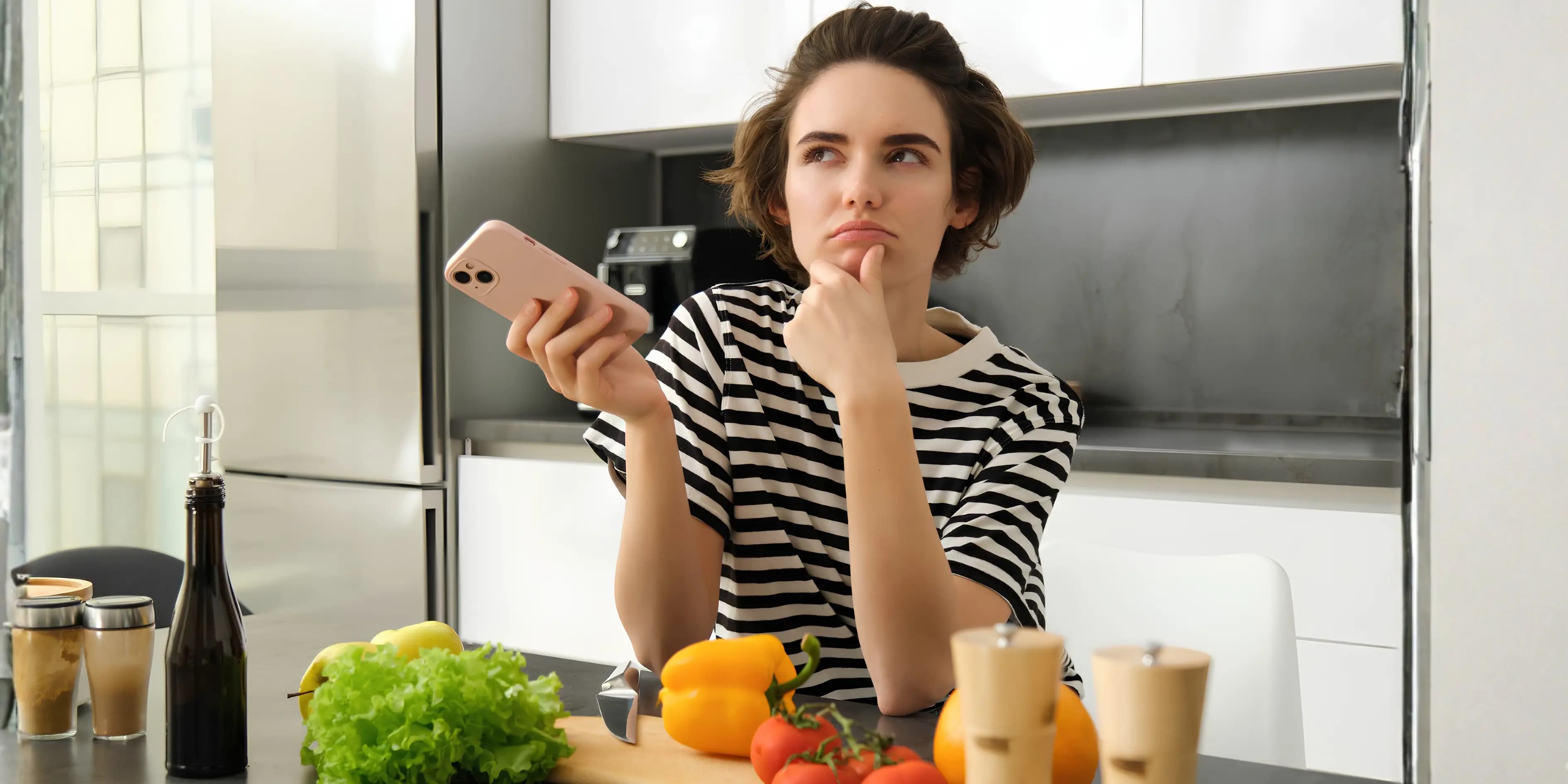
ಆಯ್, ಪೋಷಕರಿಗೆ ಆಹಾರದ ಬಗ್ಗೆ ಮಾತನಾಡೋಣ. ಮತ್ತು ನಮ್ಮ ಮಕ್ಕಳಿಗೆ ಯಾವುದು ಉತ್ತಮ ಎಂಬುದು ಇಂಟರ್ನೆಟ್ನಲ್ಲಿ ತೇಲುತ್ತಿರುವ ಎಲ್ಲಾ ಸಲಹೆಗಳೊಂದಿಗೆ ಅಗಾಧವಾಗಿ ಅನುಭವಿಸಬಹುದು. ಕೆಲವು ಆಹಾರ ಪುರಾಣಗಳನ್ನು ಸೇರಿಸಿ, ಮತ್ತು ಇದ್ದಕ್ಕಿದ್ದಂತೆ, ನಿಮ್ಮ ಚಿಕ್ಕ ಮಕ್ಕಳಿಗೆ ಆಹಾರವನ್ನು ನೀಡುವುದು ಒಂದು ಒಗಟು ಪರಿಹರಿಸಿದಂತೆ ಭಾಸವಾಗುತ್ತದೆ. ಇದು ಪೋಷಕರಿಗೆ ಒಂದು ರೀತಿಯ ಮಾನಸಿಕ ಒಗಟಾಗಿ ಪರಿಣಮಿಸುತ್ತದೆ, ಇದು ಪರಿಹರಿಸಲು ತುಂಬಾ ಕಷ್ಟಕರವಾಗಿದೆ ಆದರೆ ನೀವು ಚಿಂತಿಸಬೇಕಾಗಿಲ್ಲ ಏಕೆಂದರೆ ಇಂದು ನಾವು ಕೆಲವು ಪುರಾಣಗಳನ್ನು ಪರಿಶೀಲಿಸುತ್ತೇವೆ ಮತ್ತು ಅವುಗಳನ್ನು ಡಿಕೋಡ್ ಮಾಡುತ್ತೇವೆ.
ಕಾಲ್ಪನಿಕತೆಯಿಂದ ಸತ್ಯವನ್ನು ಪ್ರತ್ಯೇಕಿಸಲು ಸಿದ್ಧರಿದ್ದೀರಾ? ಕೆಲವು ಸಾಮಾನ್ಯ ಆಹಾರ ಪುರಾಣಗಳನ್ನು ನೋಡೋಣ ಮತ್ತು ನಿಮ್ಮ ಮಕ್ಕಳನ್ನು ಸಂತೋಷದಿಂದ ಮತ್ತು ಆರೋಗ್ಯವಾಗಿಡಲು ನೀವು ನಿಜವಾಗಿಯೂ ತಿಳಿದುಕೊಳ್ಳಬೇಕಾದದ್ದು.
1. ಮಿಥ್ಯ: "ಕೊಬ್ಬು ಮಕ್ಕಳಿಗೆ ಕೆಟ್ಟದು"
ಸತ್ಯ: ಕೊಬ್ಬು ದೇಹದ ಕಾರ್ಯನಿರ್ವಹಣೆಗೆ ಅತ್ಯಗತ್ಯವಾಗಿರುವುದರಿಂದ ಅದು ಶತ್ರುವಲ್ಲ. ಆರೋಗ್ಯಕರ ಕೊಬ್ಬುಗಳು ಮೆದುಳಿನ ಬೆಳವಣಿಗೆ, ಶಕ್ತಿ ಮತ್ತು ಪೋಷಕಾಂಶಗಳ ಹೀರಿಕೊಳ್ಳುವಿಕೆಯನ್ನು ಬೆಂಬಲಿಸುತ್ತವೆ. ಟ್ರಿಕ್ ಸರಿಯಾದ ರೀತಿಯ ಕೊಬ್ಬಿನ ಮೇಲೆ ಕೇಂದ್ರೀಕರಿಸುತ್ತದೆ.- ಉತ್ತಮ ಕೊಬ್ಬುಗಳು: ಆವಕಾಡೊಗಳು, ಬೀಜಗಳು, ಬೀಜಗಳು, ಆಲಿವ್ ಎಣ್ಣೆ ಮತ್ತು ಸಾಲ್ಮನ್ನಂತಹ ಕೊಬ್ಬಿನ ಮೀನುಗಳಲ್ಲಿ ಕಂಡುಬರುತ್ತದೆ.
- ಕೊಬ್ಬುಗಳು ಮಿತಿಗೊಳಿಸಲು: ಸಂಸ್ಕರಿಸಿದ ತಿಂಡಿಗಳು ಮತ್ತು ಕರಿದ ಆಹಾರಗಳಲ್ಲಿ ಟ್ರಾನ್ಸ್ ಕೊಬ್ಬುಗಳು.
2. ಮಿಥ್ಯ: "ಸಕ್ಕರೆಯು ಮಕ್ಕಳನ್ನು ಹೈಪರ್ಆಕ್ಟಿವ್ ಮಾಡುತ್ತದೆ"
ಸತ್ಯ: ಇದನ್ನು ವಿಜ್ಞಾನದಿಂದ ತಳ್ಳಿಹಾಕಲಾಗಿದೆ. ಸಕ್ಕರೆಯನ್ನು ಹೈಪರ್ಆಕ್ಟಿವಿಟಿಗೆ ಜೋಡಿಸುವ ಯಾವುದೇ ದೃಢವಾದ ಪುರಾವೆಗಳಿಲ್ಲ. ಹೆಚ್ಚು ಸಾಧ್ಯತೆ ಏನು? ಪಾರ್ಟಿಗಳು ಅಥವಾ ವಿಶೇಷ ಸಂದರ್ಭಗಳಲ್ಲಿ (ಹಲೋ, ಕೇಕ್) ಉತ್ಸಾಹ.
ನಿಜ-ಜೀವನದ ಸಲಹೆ: ಸಕ್ಕರೆಯು ನಿಮ್ಮ ಮಕ್ಕಳನ್ನು ಗೋಡೆಗಳಿಂದ ಪುಟಿಯುವಂತೆ ಮಾಡುವುದಿಲ್ಲವಾದರೂ, ಒಟ್ಟಾರೆ ಆರೋಗ್ಯಕ್ಕಾಗಿ ಅದನ್ನು ಮಿತಿಗೊಳಿಸುವುದು ಇನ್ನೂ ಒಳ್ಳೆಯದು. ಸಂಸ್ಕರಿಸಿದ ಕೃತಕ ಸಕ್ಕರೆ ಮಾನವನ ಆರೋಗ್ಯಕ್ಕೆ ಒಳ್ಳೆಯದಲ್ಲವಾದ್ದರಿಂದ ಜೇನುತುಪ್ಪದೊಂದಿಗೆ ಹಣ್ಣು ಅಥವಾ ಮೊಸರು ಮುಂತಾದ ನೈಸರ್ಗಿಕವಾಗಿ ಸಿಹಿ ಆಯ್ಕೆಗಳನ್ನು ನೋಡಿ.
3. ಮಿಥ್ಯ: "ಜ್ಯೂಸ್ ಒಂದು ಆರೋಗ್ಯಕರ ಪಾನೀಯ ಆಯ್ಕೆಯಾಗಿದೆ"
ಸತ್ಯ: ಅಂಗಡಿಯಲ್ಲಿ ಖರೀದಿಸಿದ ಹೆಚ್ಚಿನ ಜ್ಯೂಸ್ಗಳನ್ನು ಸಕ್ಕರೆಯೊಂದಿಗೆ ಪ್ಯಾಕ್ ಮಾಡಲಾಗುತ್ತದೆ ಮತ್ತು ಫೈಬರ್ ಅನ್ನು ತೆಗೆದುಹಾಕಲಾಗುತ್ತದೆ. "100% ಹಣ್ಣಿನ ರಸ" ಲೇಬಲ್ಗಳು ಸಹ ತಪ್ಪುದಾರಿಗೆಳೆಯಬಹುದು. ಹೆಚ್ಚಿನ ಪ್ಯಾಕೇಜ್ ಜ್ಯೂಸ್ ಮಕ್ಕಳ ಆರೋಗ್ಯಕ್ಕೆ ಒಳ್ಳೆಯದಲ್ಲ. ಶೇಕ್ಗಳು ಅಥವಾ ಯಾವುದೇ ಸಕ್ಕರೆಯಿಲ್ಲದ ಹಣ್ಣುಗಳಿಂದ ತಾಜಾ ಮಾಡಿದ ತಾಜಾ ಹಣ್ಣುಗಳಂತಹ ಪರ್ಯಾಯಗಳನ್ನು ನೋಡಿ.
ಯಾವುದು ಉತ್ತಮ: ಬದಲಿಗೆ ಸಂಪೂರ್ಣ ಹಣ್ಣುಗಳನ್ನು ನೀಡಿ ಏಕೆಂದರೆ ಅವುಗಳು ಹೆಚ್ಚು ಭರ್ತಿಯಾಗಿರುತ್ತವೆ ಮತ್ತು ಫೈಬರ್ನಿಂದ ತುಂಬಿರುತ್ತವೆ. ನಿಮ್ಮ ಮಕ್ಕಳು ರಸವನ್ನು ಪ್ರೀತಿಸುತ್ತಿದ್ದರೆ, ಅದನ್ನು ನೀರಿನಿಂದ ದುರ್ಬಲಗೊಳಿಸಿ.
4. ಮಿಥ್ಯ: "ಮೈಕ್ರೋವೇವ್ ಪೋಷಕಾಂಶಗಳನ್ನು ಕೊಲ್ಲುತ್ತದೆ"
ಸತ್ಯ: ಮೈಕ್ರೊವೇವಿಂಗ್ ವಾಸ್ತವವಾಗಿ ಪೋಷಕಾಂಶಗಳನ್ನು ಸಂರಕ್ಷಿಸುವ ಅತ್ಯುತ್ತಮ ವಿಧಾನಗಳಲ್ಲಿ ಒಂದಾಗಿದೆ, ಏಕೆಂದರೆ ಇದು ಆಹಾರವನ್ನು ತ್ವರಿತವಾಗಿ ಮತ್ತು ಕಡಿಮೆ ನೀರಿನಿಂದ ಬೇಯಿಸುತ್ತದೆ. ಕಡಿಮೆ ಎಣ್ಣೆ ಮತ್ತು ಹೊರಗಿನ ಮಾನ್ಯತೆಯೊಂದಿಗೆ ಹಲವಾರು ವಸ್ತುಗಳನ್ನು ಬೇಯಿಸಲು ಬಳಸಬಹುದು.
ನಿಜ-ಜೀವನದ ಸಲಹೆ: ಮೈಕ್ರೊವೇವ್ನಲ್ಲಿ ತರಕಾರಿಗಳನ್ನು ಸ್ಟೀಮ್ ಮಾಡಿ ನೀರನ್ನು ಸ್ಪ್ಲಾಶ್ ಮಾಡಿ ಮತ್ತು ಅವುಗಳನ್ನು ಸಡಿಲವಾಗಿ ಮುಚ್ಚಲಾಗುತ್ತದೆ.
5. ಮಿಥ್ಯ: "ಬಿಳಿ ಆಲೂಗಡ್ಡೆಗಳು ಯಾವುದೇ ಪೌಷ್ಟಿಕಾಂಶದ ಮೌಲ್ಯವನ್ನು ಹೊಂದಿಲ್ಲ"
ಸತ್ಯ: ಬಿಳಿ ಆಲೂಗಡ್ಡೆಗಳನ್ನು ಸಾಮಾನ್ಯವಾಗಿ ಅನ್ಯಾಯವಾಗಿ ವಿಲನ್ ಮಾಡಲಾಗುತ್ತದೆ. ಅವು ಪೊಟ್ಯಾಸಿಯಮ್, ವಿಟಮಿನ್ ಸಿ ಮತ್ತು ಫೈಬರ್ (ವಿಶೇಷವಾಗಿ ಚರ್ಮದ ಮೇಲೆ) ಸಮೃದ್ಧವಾಗಿವೆ. ಹಳೆಯ ಆಲೂಗಡ್ಡೆಗಳನ್ನು ಚರ್ಮದೊಂದಿಗೆ ತಿನ್ನಲು ಶಿಫಾರಸು ಮಾಡದಿರುವ ಕಾರಣ ತಾಜಾ ಆಲೂಗಡ್ಡೆಯನ್ನು ಚರ್ಮದೊಂದಿಗೆ ತಿನ್ನುವುದನ್ನು ಖಚಿತಪಡಿಸಿಕೊಳ್ಳಿ ಮತ್ತು ನೆನೆಸಿದ ನಂತರ ಮತ್ತು ಸ್ಕ್ರಬ್ಬರ್ನಿಂದ ಉಜ್ಜಿದ ನಂತರ ತೊಳೆಯಿರಿ.
ನಿಜ-ಜೀವನದ ಸಲಹೆ: ಆಲೂಗಡ್ಡೆಯನ್ನು ಹುರಿಯುವ ಬದಲು ಬೇಯಿಸಿ ಅಥವಾ ಹುರಿಯಿರಿ. ಸಿಹಿ ಆಲೂಗೆಡ್ಡೆ ಫ್ರೈಗಳು ಟ್ರೆಂಡಿಯಾಗಿರಬಹುದು, ಆದರೆ ಸಾಮಾನ್ಯ ಆಲೂಗಡ್ಡೆ ನಿಮ್ಮ ಪ್ಲೇಟ್ನಲ್ಲಿ ಸ್ಥಾನ ಪಡೆಯಲು ಅರ್ಹವಾಗಿದೆ ಆದ್ದರಿಂದ ಅವುಗಳನ್ನು ಬೇಯಿಸುವುದು ಅಥವಾ ಕುದಿಸುವುದು ಉತ್ತಮ ಆರೋಗ್ಯಕರ ಆಯ್ಕೆಯಾಗಿದೆ.
6. ಮಿಥ್ಯ: "ಮೊಟ್ಟೆಯ ಹಳದಿಗಳು ಕೊಲೆಸ್ಟ್ರಾಲ್ ಅನ್ನು ಹೆಚ್ಚಿಸುತ್ತವೆ"
ಸತ್ಯ: ಮೊಟ್ಟೆಯ ಹಳದಿಗಳಲ್ಲಿ ಕೊಲೆಸ್ಟ್ರಾಲ್ ಇರುತ್ತದೆ, ಆದರೆ ಅವುಗಳನ್ನು ಮಿತವಾಗಿ ತಿನ್ನುವುದರಿಂದ ನಿಮ್ಮ ಮಗುವಿನ ಮಟ್ಟವನ್ನು ಹೆಚ್ಚಿಸುವುದಿಲ್ಲ.ವಾಸ್ತವವಾಗಿ, ಹಳದಿ ಲೋಳೆಯು ವಿಟಮಿನ್ ಡಿ ಮತ್ತು ಕೋಲೀನ್ನಂತಹ ಅಗತ್ಯ ಪೋಷಕಾಂಶಗಳಿಂದ ತುಂಬಿರುತ್ತದೆ, ಇದು ಮೆದುಳಿನ ಬೆಳವಣಿಗೆಯನ್ನು ಬೆಂಬಲಿಸುತ್ತದೆ. ಆದ್ದರಿಂದ ಮುಂದಿನ ಬಾರಿ ಹಳದಿ ಭಾಗವನ್ನು ಎಸೆಯಬೇಡಿ ಏಕೆಂದರೆ ಅದು ಸಾಕಷ್ಟು ಪೌಷ್ಟಿಕಾಂಶದ ಮೌಲ್ಯವನ್ನು ಹೊಂದಿರುತ್ತದೆ.ನಿಜ-ಜೀವನದ ಸಲಹೆ: ಸಂಪೂರ್ಣ ಮೊಟ್ಟೆಗಳನ್ನು ಬಡಿಸುವುದರಿಂದ ಹಿಂದೆ ಸರಿಯಬೇಡಿ ಏಕೆಂದರೆ ಅವು ಬೆಳಗಿನ ಉಪಾಹಾರ, ಮಧ್ಯಾಹ್ನ ಅಥವಾ ರಾತ್ರಿಯ ಊಟಕ್ಕೆ ಪ್ರೋಟೀನ್ನ ತ್ವರಿತ, ಸುಲಭವಾದ ಉತ್ತಮ ಮೂಲವಾಗಿದೆ.
7. ಮಿಥ್ಯ: “ತಿಂಡಿ ತಿನ್ನುವುದು ಮಕ್ಕಳಿಗೆ ಕೆಟ್ಟದು”
ಸತ್ಯ: ತಿಂಡಿ ತಿನ್ನುವುದು ಕೆಟ್ಟದ್ದಲ್ಲ ಏಕೆಂದರೆ ಮಕ್ಕಳು ಏನು ಮತ್ತು ಎಷ್ಟು ತಿಂಡಿ ತಿನ್ನುತ್ತಾರೆ ಎಂಬುದು ಮುಖ್ಯ. ಆರೋಗ್ಯಕರ ತಿಂಡಿಗಳು ಶಕ್ತಿಯ ಮಟ್ಟವನ್ನು ಸ್ಥಿರವಾಗಿರಿಸಬಹುದು ಮತ್ತು ಊಟದಲ್ಲಿ ಅತಿಯಾಗಿ ತಿನ್ನುವುದನ್ನು ತಡೆಯಬಹುದು.
ಆರೋಗ್ಯಕರ ತಿಂಡಿ ಐಡಿಯಾಗಳು:
- ಕಡಲೆಕಾಯಿ ಬೆಣ್ಣೆಯೊಂದಿಗೆ ಸೇಬಿನ ಚೂರುಗಳು
- ಬೆರ್ರಿಗಳೊಂದಿಗೆ ಗ್ರೀಕ್ ಮೊಸರು
- ಕ್ಯಾರೆಟ್ ಸ್ಟಿಕ್ಗಳೊಂದಿಗೆ ಹಮ್ಮಸ್
8. ಮಿಥ್ಯ: "ಡೈರಿ ಅನಾರೋಗ್ಯಕರವಾಗಿದೆ"
ಸತ್ಯ: ನಿಮ್ಮ ಮಗು ಲ್ಯಾಕ್ಟೋಸ್-ಅಸಹಿಷ್ಣುತೆ ಹೊಂದಿಲ್ಲದಿದ್ದರೆ, ಡೈರಿಯು ಕ್ಯಾಲ್ಸಿಯಂ, ಪ್ರೋಟೀನ್ ಮತ್ತು ವಿಟಮಿನ್ ಡಿ ಯ ಉತ್ತಮ ಮೂಲವಾಗಿದೆ. ವರ್ಷಗಳ ಹಿಂದೆ ನಮ್ಮ ಪೂರ್ವಜರು ಹಾಲನ್ನು ತಮ್ಮ ಆಹಾರದ ಪ್ರಮುಖ ಮೂಲಗಳಲ್ಲಿ ಒಂದಾಗಿ ಬಳಸುತ್ತಿದ್ದರು.
ನಿಜ-ಜೀವನದ ಸಲಹೆ: ನೀವು ಡೈರಿ-ಮುಕ್ತರಾಗಿದ್ದರೆ, ಸಮಸ್ಯೆ ಇಲ್ಲ. ಬಾದಾಮಿ ಅಥವಾ ಸೋಯಾ ಹಾಲಿನಂತಹ ಬಲವರ್ಧಿತ ಸಸ್ಯ ಆಧಾರಿತ ಆಯ್ಕೆಗಳು ಉತ್ತಮ ಪರ್ಯಾಯಗಳಾಗಿವೆ. ಅವರು ಸಾಮಾನ್ಯ ಹಾಲಿನಂತೆಯೇ ಅದೇ ಫಲಿತಾಂಶವನ್ನು ನೀಡಬಹುದು ಮತ್ತು ಹಾಲಿಗೆ ಉತ್ತಮ ಬದಲಿಯಾಗಬಹುದು.
9. ಮಿಥ್ಯ: "ಮಕ್ಕಳು ಹೆಚ್ಚು ಹಾಲು ಕುಡಿಯಬೇಕು"
ಸತ್ಯ: ಹಾಲು ಕ್ಯಾಲ್ಸಿಯಂನ ಉತ್ತಮ ಮೂಲವಾಗಿದ್ದರೂ, ಅದನ್ನು ಪಡೆಯುವ ಏಕೈಕ ಮಾರ್ಗವಲ್ಲ. ಬ್ರೊಕೊಲಿ, ತೋಫು, ಅಥವಾ ಬಲವರ್ಧಿತ ಧಾನ್ಯಗಳಂತಹ ಆಹಾರಗಳಿಂದ ಮಕ್ಕಳು ಕ್ಯಾಲ್ಸಿಯಂ ಪಡೆಯಬಹುದು. ಹಾಲಿಗೆ ಅನೇಕ ಪರ್ಯಾಯಗಳಿವೆ.
ನಿಜ-ಜೀವನದ ಸಲಹೆ: ವೈವಿಧ್ಯತೆಯನ್ನು ಪ್ರೋತ್ಸಾಹಿಸಿ, ಕ್ಯಾಲ್ಸಿಯಂ ಸೇವನೆಗಾಗಿ ಹಾಲನ್ನು ಮಾತ್ರ ಅವಲಂಬಿಸಬೇಡಿ.
10. ಮಿಥ್ಯ: "ಕ್ಯಾರೆಟ್ ಕಣ್ಣಿನ ದೃಷ್ಟಿಯನ್ನು ಸುಧಾರಿಸುತ್ತದೆ"
ಸತ್ಯ: ಕ್ಯಾರೆಟ್ಗಳು ಬೀಟಾ-ಕ್ಯಾರೋಟಿನ್ನಲ್ಲಿ ಸಮೃದ್ಧವಾಗಿದ್ದರೂ (ಇದು ವಿಟಮಿನ್ ಎ ಆಗಿ ಪರಿವರ್ತಿಸುತ್ತದೆ, ಕಣ್ಣಿನ ಆರೋಗ್ಯಕ್ಕೆ ಅವಶ್ಯಕವಾಗಿದೆ), ಅವುಗಳನ್ನು ತಿನ್ನುವುದು ನಿಮ್ಮ ಮಗುವಿಗೆ ಉತ್ತಮ ದೃಷ್ಟಿಯನ್ನು ನೀಡುವುದಿಲ್ಲ. ವೈವಿಧ್ಯಮಯ ವರ್ಣರಂಜಿತ ಹಣ್ಣುಗಳು ಮತ್ತು ತರಕಾರಿಗಳೊಂದಿಗೆ ಸಮತೋಲಿತ ಆಹಾರವು ಒಟ್ಟಾರೆ ಕಣ್ಣಿನ ಆರೋಗ್ಯವನ್ನು ಬೆಂಬಲಿಸುತ್ತದೆ.
11. ಮಿಥ್ಯ: "ಗ್ಲುಟನ್-ಫ್ರೀ ಎಂದರೆ ಆರೋಗ್ಯಕರ"
ಸತ್ಯ: ನಿಮ್ಮ ಮಗುವಿಗೆ ಉದರದ ಕಾಯಿಲೆ ಅಥವಾ ಗ್ಲುಟನ್ ಸಂವೇದನೆ ಇಲ್ಲದಿದ್ದರೆ, ಗ್ಲುಟನ್ ಅನ್ನು ತಪ್ಪಿಸುವ ಅಗತ್ಯವಿಲ್ಲ. ಅನೇಕ ಅಂಟು-ಮುಕ್ತ ಆಹಾರಗಳನ್ನು ಹೆಚ್ಚು ಸಂಸ್ಕರಿಸಲಾಗುತ್ತದೆ ಮತ್ತು ಅಗತ್ಯ ಪೋಷಕಾಂಶಗಳನ್ನು ಹೊಂದಿರುವುದಿಲ್ಲ.
ನಿಜ-ಜೀವನದ ಸಲಹೆ: ಟ್ರೆಂಡಿ ಲೇಬಲ್ಗಳಿಗಿಂತ ಸಂಪೂರ್ಣ, ಪೌಷ್ಟಿಕಾಂಶ-ದಟ್ಟವಾದ ಆಹಾರಗಳ ಮೇಲೆ ಕೇಂದ್ರೀಕರಿಸಿ.12. ಮಿಥ್ಯ: "ಪ್ರೋಟೀನ್-ಭರಿತ ಆಹಾರಗಳು ಯಾವಾಗಲೂ ಉತ್ತಮವಾಗಿವೆ"
ಸತ್ಯ: ಪ್ರೋಟೀನ್ ಮುಖ್ಯವಾಗಿದ್ದರೂ, ಹೆಚ್ಚಿನ ಮಕ್ಕಳಿಗೆ ಅದರ ಮೇಲೆ ಓವರ್ಲೋಡ್ ಮಾಡುವ ಅಗತ್ಯವಿಲ್ಲ. ಕಾರ್ಬೋಹೈಡ್ರೇಟ್ಗಳು, ಕೊಬ್ಬುಗಳು ಮತ್ತು ಪ್ರೋಟೀನ್ಗಳೊಂದಿಗೆ ಸಮತೋಲಿತ ಆಹಾರವು ಮುಖ್ಯವಾಗಿದೆ. ಪ್ರೋಟೀನ್ನಲ್ಲಿ ಸಮೃದ್ಧವಾಗಿರುವ ಆಹಾರವನ್ನು ಮಾತ್ರ ಸೇರಿಸುವುದರಿಂದ ನಿಮ್ಮ ಮಗುವಿನ ಆಹಾರವು ಸಮತೋಲಿತ ಆಹಾರದಿಂದ ಅನುಗುಣವಾಗಿರಬೇಕೆ ಎಂಬುದರ ಮೇಲೆ ಯಾವುದೇ ಗಮನಾರ್ಹ ಪರಿಣಾಮ ಬೀರುವುದಿಲ್ಲ.
ನಿಜ-ಜೀವನದ ಸಲಹೆ: ಬೀನ್ಸ್, ಮೊಟ್ಟೆ ಮತ್ತು ನೇರ ಮಾಂಸದಂತಹ ಪ್ರೋಟೀನ್ ಮೂಲಗಳ ಮಿಶ್ರಣವನ್ನು ಧಾನ್ಯಗಳು ಮತ್ತು ತರಕಾರಿಗಳೊಂದಿಗೆ ಸೇರಿಸಿ.13. ಮಿಥ್ಯ: "ಕಾಫಿ ನಿರ್ಜಲೀಕರಣವಾಗಿದೆ"
ಸತ್ಯ: ಕಾಫಿ (ಅಥವಾ ಚಹಾ) ಮಿತವಾಗಿ ನಿರ್ಜಲೀಕರಣ ಮಾಡುವುದಿಲ್ಲ ಏಕೆಂದರೆ ಅದು ನಿಮ್ಮ ದ್ರವ ಸೇವನೆಗೆ ಕೊಡುಗೆ ನೀಡುತ್ತದೆ. ಮಕ್ಕಳಿಗೆ ಕೆಫೀನ್ ಅನ್ನು ಕನಿಷ್ಠವಾಗಿ ಇಡುವುದು ಉತ್ತಮ ಎಂದು ಅದು ಹೇಳಿದೆ. ನಿಮ್ಮ ಮಗುವಿನ ಆಹಾರದಲ್ಲಿ ಕಾಫಿಯ ಬಳಕೆಯನ್ನು ಕಡಿಮೆ ಮಾಡಬೇಕು ಬದಲಿಗೆ ನೀವು ಮಿಲ್ಕ್ ಶೇಕ್ ಅಥವಾ ಸ್ಮೂಥಿಗಳನ್ನು ನೀಡುತ್ತಿರಬೇಕು.
ನೈಜ-ಜೀವನದ ಸಲಹೆ: ಹರ್ಬಲ್ ಚಹಾಗಳನ್ನು ಅಥವಾ ನೈಸರ್ಗಿಕವಾಗಿ ಸುವಾಸನೆಯ ನೀರನ್ನು ಜಲಸಂಚಯನಕ್ಕಾಗಿ ಆಯ್ಕೆಮಾಡಿ.
14. ಮಿಥ್ಯ: "ಗ್ಲುಟನ್ ಎಲ್ಲರಿಗೂ ಕೆಟ್ಟದ್ದಾಗಿದೆ"
ಸತ್ಯ: ಉದರದ ಕಾಯಿಲೆ ಅಥವಾ ಗ್ಲುಟನ್ ಅಸಹಿಷ್ಣುತೆ ಹೊಂದಿರುವ ಮಕ್ಕಳಿಗೆ ಮಾತ್ರ ಗ್ಲುಟನ್ ಹಾನಿಕಾರಕವಾಗಿದೆ. ಎಲ್ಲರಿಗೂ, ಧಾನ್ಯಗಳು (ಗ್ಲುಟನ್ ಸೇರಿದಂತೆ) ಫೈಬರ್ ಮತ್ತು ಪೋಷಕಾಂಶಗಳ ಉತ್ತಮ ಮೂಲವಾಗಿದೆ. ಇದು ಪಡೆಯುವುದು ಸುಲಭ ಮತ್ತು ತಯಾರಿಸಲು ಸುಲಭ ಮತ್ತು ಸುಲಭವಾಗಿ ಲಭ್ಯವಾಗುವಂತೆ.
15. ಮಿಥ್ಯ: “ಸಂಸ್ಕರಿಸಿದ ಆಹಾರಗಳು ಯಾವಾಗಲೂ ಕೆಟ್ಟವು”
ಸತ್ಯ: ಎಲ್ಲಾ ಸಂಸ್ಕರಿಸಿದ ಆಹಾರಗಳನ್ನು ಸಮಾನವಾಗಿ ರಚಿಸಲಾಗಿಲ್ಲ.ಪೂರ್ವ ತೊಳೆದ ತರಕಾರಿಗಳು, ಪೂರ್ವಸಿದ್ಧ ಬೀನ್ಸ್ ಅಥವಾ ಧಾನ್ಯದ ಬ್ರೆಡ್ ತಾಂತ್ರಿಕವಾಗಿ "ಸಂಸ್ಕರಿಸಲಾಗಿದೆ" ಆದರೆ ಇನ್ನೂ ಆರೋಗ್ಯಕರವಾಗಿದೆ.
ನಿಜ-ಜೀವನದ ಸಲಹೆ: ಸರಳವಾದ ಪದಾರ್ಥಗಳೊಂದಿಗೆ ಕನಿಷ್ಠ ಸಂಸ್ಕರಿಸಿದ ಆಯ್ಕೆಗಳನ್ನು ನೋಡಿ ಮತ್ತು ಮಾರುಕಟ್ಟೆಯಲ್ಲಿ ತುಂಬಾ ಅನಾರೋಗ್ಯಕರ ಆಯ್ಕೆಗಳು ಇರುವುದರಿಂದ ಆಯ್ಕೆಯ ಗುಣಮಟ್ಟವನ್ನು ನೋಡಿ.ಸಮ್ಮಿಂಗ್ ಅಪ್
ಆಹಾರ ಪುರಾಣಗಳು ಗೊಂದಲಗಳನ್ನು ಸೇರಿಸದೆ ಪೋಷಕತ್ವವು ಸಾಕಷ್ಟು ಕಷ್ಟಕರವಾಗಿದೆ. ಮುಂದಿನ ಬಾರಿ ನೀವು ಈ ಪುರಾಣಗಳಲ್ಲಿ ಒಂದನ್ನು ಕೇಳಿದಾಗ, ನೀವು ಆತ್ಮವಿಶ್ವಾಸದಿಂದ ನಿಮ್ಮ ಕಣ್ಣುಗಳನ್ನು ತಿರುಗಿಸಬಹುದು ಮತ್ತು ನಿಮ್ಮ ಕುಟುಂಬಕ್ಕೆ ಸಮತೋಲಿತ, ಪೋಷಣೆಯ ಆಹಾರವಾಗಿ ನಿಜವಾಗಿಯೂ ಮುಖ್ಯವಾದುದನ್ನು ಕೇಂದ್ರೀಕರಿಸಬಹುದು.
