Wooby

ಮಕ್ಕಳಲ್ಲಿ ಪೌಷ್ಠಿಕಾಂಶದ ಕೊರತೆಯ ಚಿಹ್ನೆಗಳನ್ನು ಹೇಗೆ ಗುರುತಿಸುವುದು
Published On: 24 September 2026
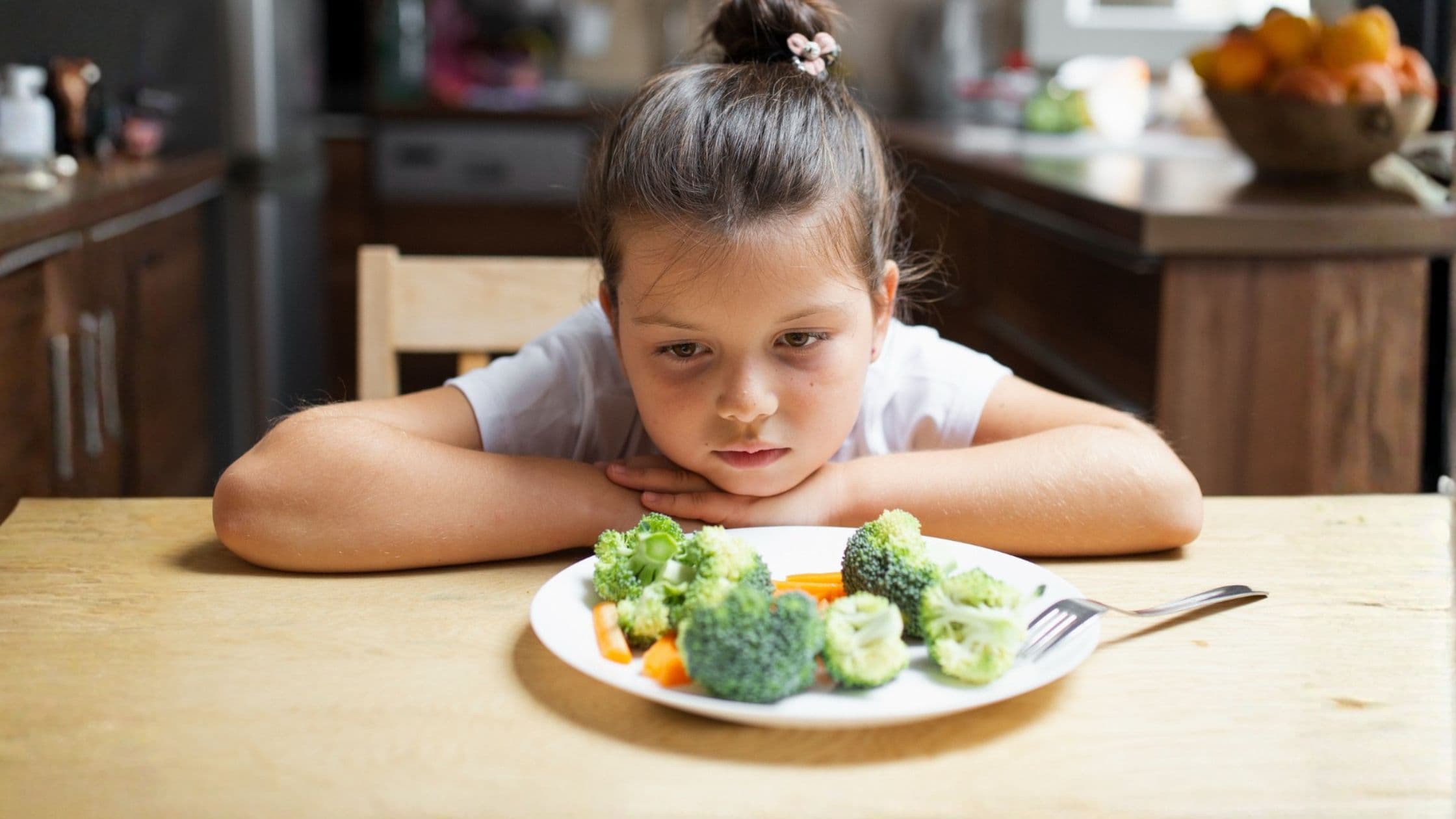
p data-pasted="true">ಈ ವಯಸ್ಸಿನ ಮಕ್ಕಳಲ್ಲಿ ಪೌಷ್ಠಿಕಾಂಶದ ಕೊರತೆಯು ತುಂಬಾ ಸಾಮಾನ್ಯವಾಗಿದೆ, ಏಕೆಂದರೆ ನಾವು ತಿನ್ನುವ ಪ್ರತಿಯೊಂದೂ ಕೆಲವು ಕಲಬೆರಕೆ ಅಥವಾ ಸಂಸ್ಕರಿಸಿದ ಆಹಾರಗಳಿಂದ ಮಾಡಲ್ಪಟ್ಟಿದೆ. ಹೆಚ್ಚಿನ ಬೇಡಿಕೆ ಮತ್ತು ಕನಿಷ್ಠ ವೆಚ್ಚದ ಕಾರಣ, ಅನೇಕ ಕಂಪನಿಗಳು ಅಗ್ಗದ ಸಂಸ್ಕರಣೆಯನ್ನು ಅಳವಡಿಸಿಕೊಳ್ಳುತ್ತಿವೆ, ಇದು ರಾಜಿ ಗುಣಮಟ್ಟ ಮತ್ತು ಆರೋಗ್ಯಕ್ಕೆ ಕಾರಣವಾಗುತ್ತದೆ. ಹಿಂದಿನ ಪೀಳಿಗೆಗೆ ಹೋಲಿಸಿದರೆ, ಆರೋಗ್ಯದ ಪ್ರಮಾಣವು ಉತ್ತಮವಾಗಿತ್ತು ಮತ್ತು ರೋಗಗಳು ಕಡಿಮೆ. ಏಕೆ? ಮಾಲಿನ್ಯದ ಹೆಚ್ಚಳ, ಹವಾಮಾನ ಬದಲಾವಣೆ ಮತ್ತು ಹೆಚ್ಚುತ್ತಿರುವ ಜನಸಂಖ್ಯೆಯಂತಹ ಅನೇಕ ಅಂಶಗಳಿರಬಹುದು. ಒಳ್ಳೆಯ ಸುದ್ದಿ? ಏನನ್ನು ನೋಡಬೇಕೆಂದು ನಿಮಗೆ ತಿಳಿದ ನಂತರ ಈ ಹಲವು ಚಿಹ್ನೆಗಳನ್ನು ಗುರುತಿಸುವುದು ಸುಲಭ.ಪದೇ ಪದೇ ಸೋಂಕುಗಳು
ಇಂದು ನಾವು ಮಕ್ಕಳಲ್ಲಿ ಪೌಷ್ಟಿಕಾಂಶದ ಕೊರತೆಗಳಿಗೆ ಕೆಲವು ಸುಲಭ ಪರಿಹಾರಗಳನ್ನು ಮತ್ತು ಅವುಗಳನ್ನು ಪರಿಹರಿಸಲು ಮತ್ತು ಪ್ರಾಯೋಗಿಕವಾಗಿ ಸಂಗ್ರಹಿಸಲು ಉತ್ತಮ ಆಯ್ಕೆಗಳನ್ನು ಪರಿಶೀಲಿಸುತ್ತೇವೆ.
1. ಸಾರ್ವಕಾಲಿಕ ಸುಸ್ತಾಗಿದ್ದೀರಾ? ಇದು ಕಬ್ಬಿಣದ ಕೊರತೆಯಾಗಿರಬಹುದು
ಮಕ್ಕಳು ಶಕ್ತಿಯುತರಾಗಿದ್ದಾರೆ, ಆದ್ದರಿಂದ ಅವರ ವಯಸ್ಸಿನ ಸ್ನೇಹಿತರನ್ನು ಹೊಂದುವವರೆಗೆ ಯಾರೂ ಅವರ ಶಕ್ತಿಯ ಮಟ್ಟವನ್ನು ಹೊಂದಿಸಲು ಸಾಧ್ಯವಿಲ್ಲ. ಆದ್ದರಿಂದ ನಿಮ್ಮ ಮಗು ಅಸಾಮಾನ್ಯವಾಗಿ ದಣಿದಿದ್ದರೆ ಅಥವಾ ಗಮನ ಕೇಂದ್ರೀಕರಿಸಲು ಕಷ್ಟವಾಗಿದ್ದರೆ, ಅದು ಕಬ್ಬಿಣದ ಕೊರತೆಯ (ರಕ್ತಹೀನತೆ) ಸಂಕೇತವಾಗಿರಬಹುದು. ಇತ್ತೀಚಿನ ದಿನಗಳಲ್ಲಿ, ಎಲ್ಲಾ ವಯಸ್ಸಿನ ಮಕ್ಕಳಲ್ಲಿ ಕಬ್ಬಿಣದ ಕೊರತೆಯು ಸಾಮಾನ್ಯವಾಗಿದೆ, ಆದ್ದರಿಂದ ಅವರ ಆಹಾರದಲ್ಲಿ ಸಾಕಷ್ಟು ಕಬ್ಬಿಣದ ಅಂಶವನ್ನು ಹೊಂದಿರಿ. class="fr-fic fr-dib">
ಇತರ ಚಿಹ್ನೆಗಳು ಸೇರಿವೆ:
- ತೆಳು ಚರ್ಮ
- ದೌರ್ಬಲ್ಯ
- ಆಟದ ಸಮಯದಲ್ಲಿ ಉಸಿರಾಟದ ತೊಂದರೆ
ಏನು ಕ್ರಮಗಳನ್ನು ತೆಗೆದುಕೊಳ್ಳಬೇಕು: ಕಬ್ಬಿಣದ ಅಂಶವಿರುವ ಊಟವನ್ನು ಸೇರಿಸುವುದು, ಕಬ್ಬಿಣದ ಕೊರತೆಯಿಂದ ನಿಮ್ಮ ಮಗುವಿಗೆ ಉತ್ತಮವಾದ ಪಾಲಕವನ್ನು ಸೇರಿಸುವುದು, ಕಬ್ಬಿಣದ ಕೊರತೆಯಿಂದ ನಿಮ್ಮ ಮಗುವಿಗೆ ಪ್ರಯೋಜನವನ್ನು ನೀಡುತ್ತದೆ. ಮತ್ತು ಬಲವರ್ಧಿತ ಧಾನ್ಯಗಳು. ಉತ್ತಮ ಹೀರಿಕೊಳ್ಳುವಿಕೆಗಾಗಿ ವಿಟಮಿನ್ ಸಿ (ಕಿತ್ತಳೆ ಅಥವಾ ಟೊಮೆಟೊಗಳಂತಹವು) ಜೊತೆಗೆ ಅವುಗಳನ್ನು ಸಂಯೋಜಿಸಿ. ಸರಿಯಾದ ರೋಗನಿರ್ಣಯಕ್ಕಾಗಿ ನೀವು ತಜ್ಞರನ್ನು ಸಹ ಸಂಪರ್ಕಿಸಬಹುದು.
2. ಒಣ ಚರ್ಮ ಅಥವಾ ಆಗಾಗ್ಗೆ ಅನಾರೋಗ್ಯ? ವಿಟಮಿನ್ ಎ
ನಿಮ್ಮ ಮಗುವು ಶುಷ್ಕ, ಚಪ್ಪಟೆಯಾದ ಚರ್ಮವನ್ನು ಹೊಂದಿರುವುದನ್ನು ನೀವು ಗಮನಿಸಿದರೆ ಅಥವಾ ಪ್ರತಿ ಶೀತವನ್ನು ಹಿಡಿದಿಟ್ಟುಕೊಳ್ಳುವುದನ್ನು ನೀವು ಗಮನಿಸಿದರೆ, ಆರೋಗ್ಯಕರ ಚರ್ಮ ಮತ್ತು ಬಲವಾದ ಪ್ರತಿರಕ್ಷಣಾ ವ್ಯವಸ್ಥೆಯನ್ನು ಬೆಂಬಲಿಸುವ ವಿಟಮಿನ್ ಎ ಕಡಿಮೆಯಿರಬಹುದು. ವಿಟಮಿನ್ ಎ ನಿಮ್ಮ ಮಗುವಿನ ಆಹಾರದಲ್ಲಿ ಸೇರಿಸಬೇಕಾದ ಪ್ರಮುಖ ಪೋಷಕಾಂಶಗಳಲ್ಲಿ ಒಂದಾಗಿದೆ.
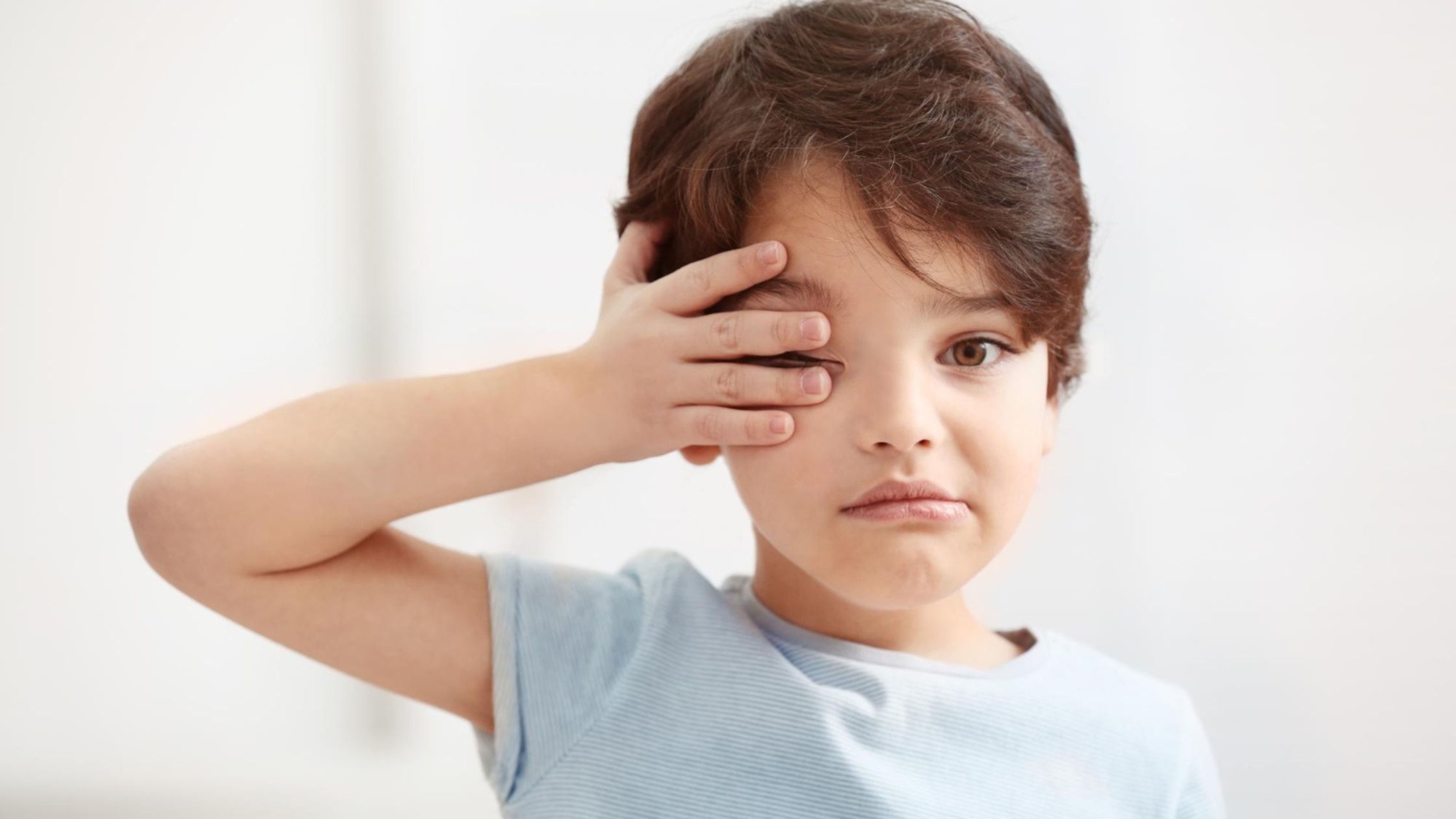
ಇತರ ಚಿಹ್ನೆಗಳು ಇವುಗಳನ್ನು ಒಳಗೊಂಡಿವೆ:
- ರಾತ್ರಿಯಲ್ಲಿ ನೋಡುವ ತೊಂದರೆ
ಏನು ಕ್ರಮಗಳನ್ನು ತೆಗೆದುಕೊಳ್ಳಬೇಕು: ಕ್ಯಾರೆಟ್, ಸಿಹಿ ಗೆಣಸು, ಹಾಲು ಮತ್ತು ಎಲೆಗಳ ಸೊಪ್ಪಿನಂತಹ ಆಹಾರ ಪದಾರ್ಥಗಳು. ಆದರೆ ಮೋಜಿನ ಅಂಶವೆಂದರೆ, ಅವುಗಳು ಬೀಟಾ-ಕ್ಯಾರೋಟಿನ್ ಹೊಂದಿರುವ ಬಣ್ಣದ ಹಣ್ಣುಗಳು ಮತ್ತು ತರಕಾರಿಗಳಾಗಿವೆ ಮತ್ತು ವಿಟಮಿನ್ ಎ.
3. ಬಾಯಿಯ ಮೂಲೆಗಳಲ್ಲಿ ಬಿರುಕುಗಳು? ಇದು ವಿಟಮಿನ್ ಬಿ ಕೊರತೆಯಾಗಿರಬಹುದು
ಬಾಯಿಯ ಬದಿಯ ಮೂಲೆಗಳಲ್ಲಿ ಬಿಳಿ ಒಣ ಬಿರುಕುಗಳು ಅಥವಾ ಹುಣ್ಣುಗಳು ವಿಟಮಿನ್ ಬಿ ಕೊರತೆಯ ಸಂಕೇತವಾಗಿರಬಹುದು, ನಿರ್ದಿಷ್ಟವಾಗಿ B2 (ರಿಬೋಫ್ಲಾವಿನ್) ಅಥವಾ B12. ಬಾಯಿಯ ಮೇಲಿನ ಬಿರುಕು ನಿಮ್ಮ ಪ್ರೀತಿಪಾತ್ರರನ್ನು ತುಂಬಾ ಕೆರಳಿಸಬಹುದು, ಏಕೆಂದರೆ ಅದು ನೋವಿನಿಂದ ಕೂಡಿದೆ ಮತ್ತು ನೋಡಲು ಚೆನ್ನಾಗಿ ಕಾಣುವುದಿಲ್ಲ class="fr-fic fr-dib">
ಇತರ ಚಿಹ್ನೆಗಳು ಸೇರಿವೆ:
- ಒಂದು ಊದಿಕೊಂಡ, ನೋಯುತ್ತಿರುವ ನಾಲಿಗೆ
ಕಿರಿಕಿರಿ - ಆಯಾಸ
ಏನು ಕ್ರಮಗಳನ್ನು ತೆಗೆದುಕೊಳ್ಳಬೇಕು: B12 ಮತ್ತು B2 ಅಗತ್ಯವನ್ನು ಪೂರೈಸಲು, ಹಾಲು, ಮೊಟ್ಟೆ ಮತ್ತು ಧಾನ್ಯಗಳ ಆಹಾರದಲ್ಲಿ ಹಾಲು, ಮೊಟ್ಟೆ ಮತ್ತು ಧಾನ್ಯಗಳನ್ನು ಸೇರಿಸಿ. ಸಸ್ಯಾಹಾರಿಗಳಿಗೆ, ಬಲವರ್ಧಿತ ಧಾನ್ಯಗಳು B12 ನ ಉತ್ತಮ ಮೂಲವಾಗಿದೆ.
4. ಸುಲಭವಾಗಿ ಉಗುರುಗಳು ಅಥವಾ ಕೂದಲು ನಷ್ಟ? ಇದು ಝಿಂಕ್ ಕೊರತೆಯಾಗಿರಬಹುದು
ಸತುವು ಮಕ್ಕಳ ಬೆಳವಣಿಗೆ, ರೋಗನಿರೋಧಕ ಶಕ್ತಿ ಮತ್ತು ಅಂಗಾಂಶ ದುರಸ್ತಿಯಲ್ಲಿ ಪ್ರಮುಖ ಪಾತ್ರ ವಹಿಸುವ ಅತ್ಯಗತ್ಯ ಸೂಕ್ಷ್ಮ ಪೋಷಕಾಂಶಗಳಲ್ಲಿ ಒಂದಾಗಿದೆ.ನಿಧಾನವಾಗಿ ಗಾಯ ವಾಸಿಯಾಗುವುದು, ಕೂದಲು ತೆಳುವಾಗುವುದು ಅಥವಾ ಸುಲಭವಾಗಿ ಉಗುರುಗಳಂತಹ ಸಮಸ್ಯೆಗಳಿಂದ ನೀವು ಬಳಲುತ್ತಿದ್ದರೆ, ಇದು ಸತುವಿನ ಕೊರತೆಯ ಸಂಕೇತವಾಗಿರಬಹುದು.

ಅವರ ಪ್ರಸ್ತುತ ಸ್ಥಿತಿಯನ್ನು ಸೂಕ್ಷ್ಮವಾಗಿ ಗಮನಿಸಿ, ಏಕೆಂದರೆ ಅವರು ದೊಡ್ಡ ಸಮಸ್ಯೆಯಾದಾಗ ಮಾತ್ರ ಕೊರತೆಗಳನ್ನು ಗಮನಿಸಬಹುದು, ಬದಲಿಗೆ ಅವರ ದೈನಂದಿನ ಜೀವನದ ಮೇಲೆ ತೀಕ್ಷ್ಣವಾದ ಕಣ್ಣು ಹೊಂದಿರಿ. Quicksand;">ಕಡಿಮೆ ಹಸಿವು
ಏನು ಕ್ರಮಗಳನ್ನು ತೆಗೆದುಕೊಳ್ಳಬೇಕು: ಬೀಜಗಳು ಧಾನ್ಯಗಳು, ಅವುಗಳ ಆಹಾರದಲ್ಲಿ ಸಂಪೂರ್ಣ ಬೀಜಗಳನ್ನು ಸೇರಿಸಿ. ಕುಂಬಳಕಾಯಿ ಬೀಜಗಳು, ನಿರ್ದಿಷ್ಟವಾಗಿ, ಮಕ್ಕಳ ಸ್ನೇಹಿ ಸತುವು ಶಕ್ತಿ ಕೇಂದ್ರವಾಗಿದೆ.
5. ಮೂಳೆ ನೋವು ಅಥವಾ ತಡವಾದ ಬೆಳವಣಿಗೆ? ಇದು ವಿಟಮಿನ್ ಡಿ ಅಥವಾ ಕ್ಯಾಲ್ಸಿಯಂ ಆಗಿರಬಹುದು
ವಿಟಮಿನ್ D ಮತ್ತು ಕ್ಯಾಲ್ಸಿಯಂ ಬಲವಾದ ಮೂಳೆಗಳು ಮತ್ತು ಹಲ್ಲುಗಳಿಗೆ ಅವಶ್ಯಕವಾಗಿದೆ. ನಿಮ್ಮ ಮಗುವು ಮೂಳೆ ನೋವಿನ ಬಗ್ಗೆ ದೂರು ನೀಡಿದರೆ ಅಥವಾ ವಿಳಂಬವಾದ ಬೆಳವಣಿಗೆಯನ್ನು ನೀವು ಗಮನಿಸಿದರೆ, ಈ ಪೋಷಕಾಂಶಗಳು ಕೊರತೆಯಾಗಿರಬಹುದು. 819px;" class="fr-fic fr-dib">
ಇತರ ಚಿಹ್ನೆಗಳು ಸೇರಿವೆ:
- ಆಗಾಗ್ಗೆ ಮುರಿತಗಳು ಕ್ವಿಕ್ಸಾಂಡ್;">ಸ್ನಾಯು ಸೆಳೆತ
ಏನು ಕ್ರಮಗಳನ್ನು ತೆಗೆದುಕೊಳ್ಳಬೇಕು: ಅವರು ಪ್ರತಿದಿನ 15-20 ನಿಮಿಷಗಳ ಸೂರ್ಯನ ಬೆಳಕನ್ನು ಪಡೆಯುತ್ತಾರೆ ಮತ್ತು ಡೈರಿ ಉತ್ಪನ್ನಗಳು, ಬಲವರ್ಧಿತ ಸಸ್ಯ ಆಧಾರಿತ ಹಾಲು, ಮೀನು ಮತ್ತು ಮೊಟ್ಟೆಗಳನ್ನು ಅವರ ಊಟದಲ್ಲಿ ಸೇರಿಸಿಕೊಳ್ಳಿ. ಖಚಿತಪಡಿಸಿಕೊಳ್ಳಿ
6. ವಾಸಿಯಾಗದ ಗಾಯಗಳು? ವಿಟಮಿನ್ ಸಿ ಅನ್ನು ನೋಡಿ
ವಿಟಮಿನ್ ಸಿ ಕೇವಲ ಶೀತಗಳನ್ನು ಕೊಲ್ಲಿಯಲ್ಲಿ ಇಟ್ಟುಕೊಳ್ಳುವುದರ ಬಗ್ಗೆ ಅಲ್ಲ. ಇದು ಗಾಯವನ್ನು ಗುಣಪಡಿಸಲು ಸಹಾಯ ಮಾಡುತ್ತದೆ ಮತ್ತು ಚರ್ಮವನ್ನು ಆರೋಗ್ಯಕರವಾಗಿಡುತ್ತದೆ, ಅದಕ್ಕಾಗಿಯೇ ನಾವು ವಿಟಮಿನ್ ಸಿ ಹೊಂದಿರುವ ಅನೇಕ ಸೌಂದರ್ಯ ಉತ್ಪನ್ನಗಳನ್ನು ಹೊಂದಿದ್ದೇವೆ ಎಂದು ಹೇಳುತ್ತದೆ. ಶೈಲಿ="ಅಗಲ: 780px;" class="fr-fic fr-dib">
ಇತರ ಚಿಹ್ನೆಗಳು ಇವುಗಳನ್ನು ಒಳಗೊಂಡಿವೆ:
- ಸುಲಭ ಮೂಗೇಟುಗಳು ಒಸಡುಗಳು ಅಥವಾ ಆಗಾಗ್ಗೆ ಮೂಗಿನಿಂದ ರಕ್ತಸ್ರಾವವಾಗುವುದು
ಏನು ಕ್ರಮಗಳನ್ನು ತೆಗೆದುಕೊಳ್ಳಬೇಕು: ಸಿಟ್ರಸ್ ಹಣ್ಣುಗಳು, ಸ್ಟ್ರಾಬೆರಿಗಳು, ಬೆಲ್ ಪೆಪರ್ ಮತ್ತು ಟೊಮೆಟೊಗಳೊಂದಿಗೆ ಅವರ ಆಹಾರವನ್ನು ಹೆಚ್ಚಿಸಿ. ವರ್ಣರಂಜಿತ ಪ್ಲೇಟ್ ಎಂದರೆ ಪೌಷ್ಟಿಕಾಂಶ ತುಂಬಿದ ಊಟ!
7. ಪದೇ ಪದೇ ಕಾಲಿನ ಸೆಳೆತ? ಮೆಗ್ನೀಸಿಯಮ್ ಕಡಿಮೆ ಇರಬಹುದು
ನಿಮ್ಮ ಮಗುವಿನ ಸ್ನಾಯುಗಳು ಮತ್ತು ನರಗಳನ್ನು ಆರೋಗ್ಯಕರವಾಗಿಡುವಲ್ಲಿ ಮೆಗ್ನೀಸಿಯಮ್ ದೊಡ್ಡ ಪಾತ್ರವನ್ನು ವಹಿಸುತ್ತದೆ. ರಾತ್ರಿಯಲ್ಲಿ ಕಾಲು ಸೆಳೆತದ ಬಗ್ಗೆ ಅವರು ಆಗಾಗ್ಗೆ ದೂರು ನೀಡಿದರೆ, ಅವರ ಮೆಗ್ನೀಸಿಯಮ್ ಮಟ್ಟವು ಸ್ವಲ್ಪ ಕಡಿಮೆಯಾಗಿದೆ ಎಂದರ್ಥ. ಕೆಲವೊಮ್ಮೆ, ಇದು ಕೇವಲ ನಿರ್ಜಲೀಕರಣವೂ ಆಗಿದೆ. ಆದ್ದರಿಂದ ಅವರು ದಿನವಿಡೀ ಸಾಕಷ್ಟು ನೀರು ಕುಡಿಯುತ್ತಿದ್ದಾರೆಯೇ ಎಂದು ಖಚಿತಪಡಿಸಿಕೊಳ್ಳಿ class="fr-fic fr-dib">
ಇತರ ಚಿಹ್ನೆಗಳು ಸೇರಿವೆ:
- ಆಯಾಸ
ಏನು ಕ್ರಮಗಳನ್ನು ತೆಗೆದುಕೊಳ್ಳಬೇಕು: ಅವರ ತಿಂಡಿಗಳು ಮತ್ತು ಊಟಗಳಿಗೆ ಬಾಳೆಹಣ್ಣುಗಳು, ಬೀಜಗಳು, ಬೀಜಗಳು ಮತ್ತು ಧಾನ್ಯಗಳಂತಹ ಮೆಗ್ನೀಸಿಯಮ್-ಭರಿತ ಆಹಾರಗಳನ್ನು ಸೇರಿಸಿ. ಅಸಾಮಾನ್ಯ ಆಹಾರ ಪದ್ಧತಿ? ಪಿಕಾ (ಕಬ್ಬಿಣ ಅಥವಾ ಸತುವಿನ ಕೊರತೆ) ಆಗಿರಬಹುದು
ನಿಮ್ಮ ಮಗು ನಿಮಗೆ ತಿಳಿಯುವುದಿಲ್ಲ ಎಂದು ಭಾವಿಸಿ ರಹಸ್ಯವಾಗಿ ಕೊಳಕು ಅಥವಾ ಸೀಮೆಸುಣ್ಣವನ್ನು ತಿನ್ನುತ್ತದೆಯೇ? ಆದರೂ ಸಿಕ್ಕಿಬಿದ್ದಿದ್ದಾರೆ. ಇದು ಪಿಕಾ ಎಂಬ ಸ್ಥಿತಿಯಾಗಿರಬಹುದು, ಸಾಮಾನ್ಯವಾಗಿ ಕಬ್ಬಿಣ ಅಥವಾ ಸತುವು ಕೊರತೆಗೆ ಸಂಬಂಧಿಸಿದೆ. ನೀವು ಅವರನ್ನು ರೆಡ್ ಹ್ಯಾಂಡ್ ಆಗಿ ಹಿಡಿಯಲು ಸಾಧ್ಯವಾಗದಿದ್ದರೆ, ಅವರ ಬ್ಯಾಗ್ ಅನ್ನು ಪರೀಕ್ಷಿಸಲು, ಪ್ರಶ್ನೆಗಳನ್ನು ಕೇಳಲು ಮತ್ತು ಅವರ ಬಾಯಿಯನ್ನು ನೋಡಲು ಪ್ರಯತ್ನಿಸಿ.
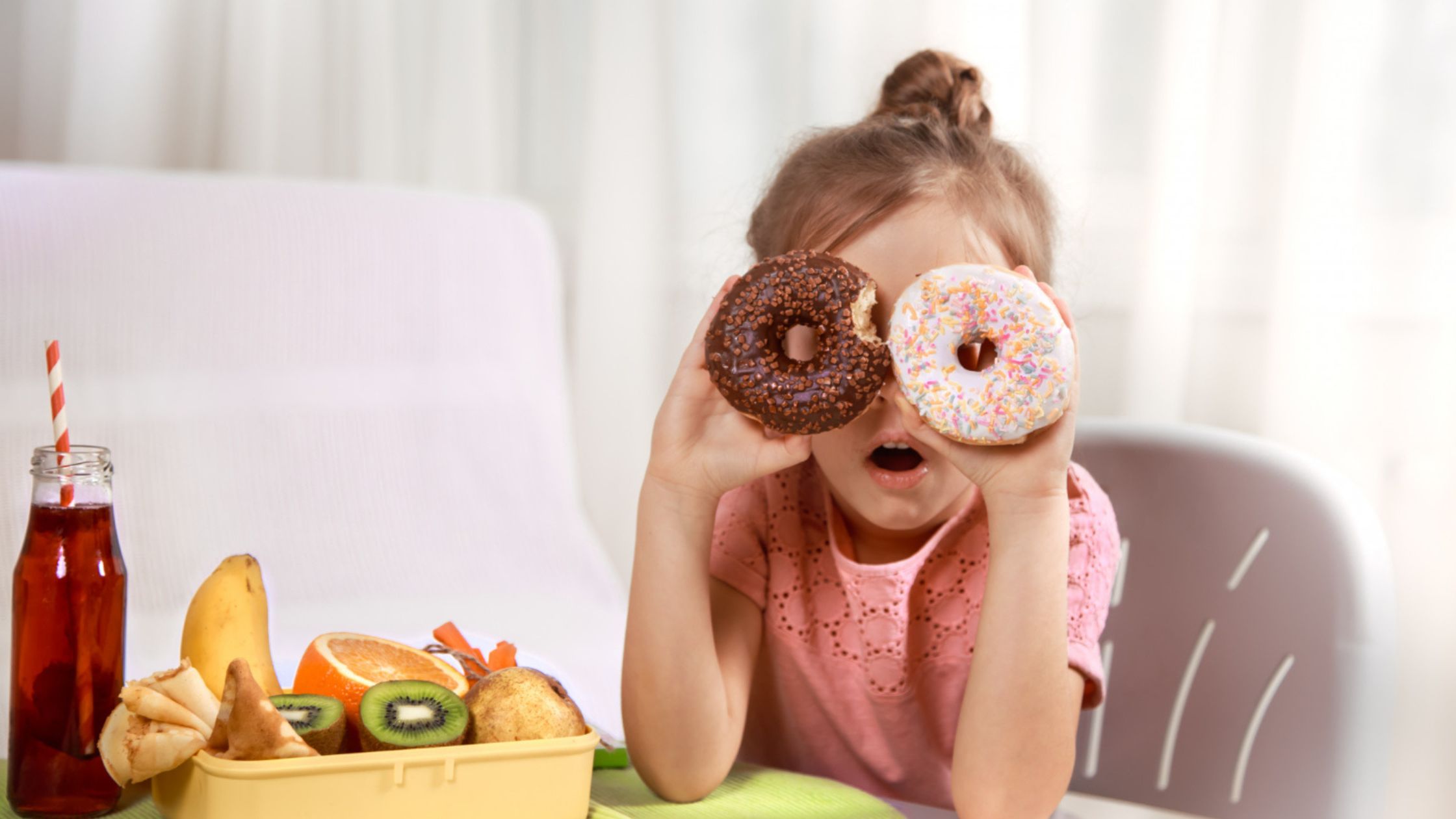
ಏನು ಕ್ರಮಗಳನ್ನು ತೆಗೆದುಕೊಳ್ಳಬೇಕು: ಶೀಘ್ರದಲ್ಲೇ ವೈದ್ಯರನ್ನು ಸಂಪರ್ಕಿಸಿ. ಅಲ್ಲದೆ, ಪೋಷಕಾಂಶ ಭರಿತ ಆಹಾರಗಳಾದ ಕಾಳುಗಳು, ಬಲವರ್ಧಿತ ಧಾನ್ಯಗಳು ಮತ್ತು ನೇರ ಪ್ರೋಟೀನ್ಗಳನ್ನು ಅವರ ಆಹಾರದಲ್ಲಿ ಒದಗಿಸುವತ್ತ ಗಮನಹರಿಸಿ.
Quicksand;">ಮಕ್ಕಳಲ್ಲಿ ಪೌಷ್ಠಿಕಾಂಶದ ಕೊರತೆಯನ್ನು ತಡೆಯುವುದು ಹೇಗೆ:
ನೀವು’ಯಾವುದೇ ಸುಧಾರಣೆಯನ್ನು ಕಾಣದಿದ್ದರೆ ಮತ್ತು ನಿಮ್ಮ ಮಗು ಇನ್ನೂ ಪೌಷ್ಟಿಕಾಂಶದ ಕೊರತೆಯ ಲಕ್ಷಣಗಳನ್ನು ತೋರಿಸುತ್ತಿದ್ದರೆ, ಮಕ್ಕಳ ವೈದ್ಯರೊಂದಿಗೆ ಪರಿಶೀಲಿಸುವುದು ಉತ್ತಮ. ಅವರು ನಿಮಗೆ ಸರಿಯಾದ ಸಲಹೆಯನ್ನು ಕಂಡುಕೊಳ್ಳಲು ಸಹಾಯ ಮಾಡುತ್ತಾರೆ ಮತ್ತು ನಿಮಗೆ ನಿಜವಾಗಿಯೂ ಮಾರ್ಗದರ್ಶನ ನೀಡುತ್ತಾರೆ’ ಅಗತ್ಯತೆಗಳು.
ಸಾರಾಂಶ
ನಮ್ಮ ಮಕ್ಕಳು ಬೆಳೆಯಲು, ಅಭಿವೃದ್ಧಿ ಹೊಂದಲು ಮತ್ತು ಅವರ ಸಂಪೂರ್ಣ ಸಾಮರ್ಥ್ಯವನ್ನು ತಲುಪಲು ನಾವು ಬಯಸುತ್ತೇವೆ, ಆದ್ದರಿಂದ ನೀವು ಅವರ ಪೌಷ್ಠಿಕಾಂಶದ ಅಗತ್ಯತೆಗಳ ಮೇಲೆ ನಿಗಾ ಇಡುವುದು ಮುಖ್ಯವಾಗಿದೆ ಮಗುವಿನ ಅಭಿರುಚಿ ಮತ್ತು ಆದ್ಯತೆಯನ್ನು ನೆನಪಿಡಿ, ಇದು ನಮ್ಮ ಮಗುವಿನ ಯೋಗಕ್ಷೇಮಕ್ಕಾಗಿ ನಾವು ಮಾಡಬೇಕಾದ ಸಣ್ಣ, ಸ್ಥಿರವಾದ ಪ್ರಯತ್ನಗಳ ಬಗ್ಗೆ.
