Wooby

ಮಕ್ಕಳಿಗಾಗಿ ಇಂಗ್ಲಿಷ್ನಲ್ಲಿ 20 ಅತ್ಯುತ್ತಮ ಪಂಚತಂತ್ರ ಕಥೆಗಳು
Published On: 24 September 2026
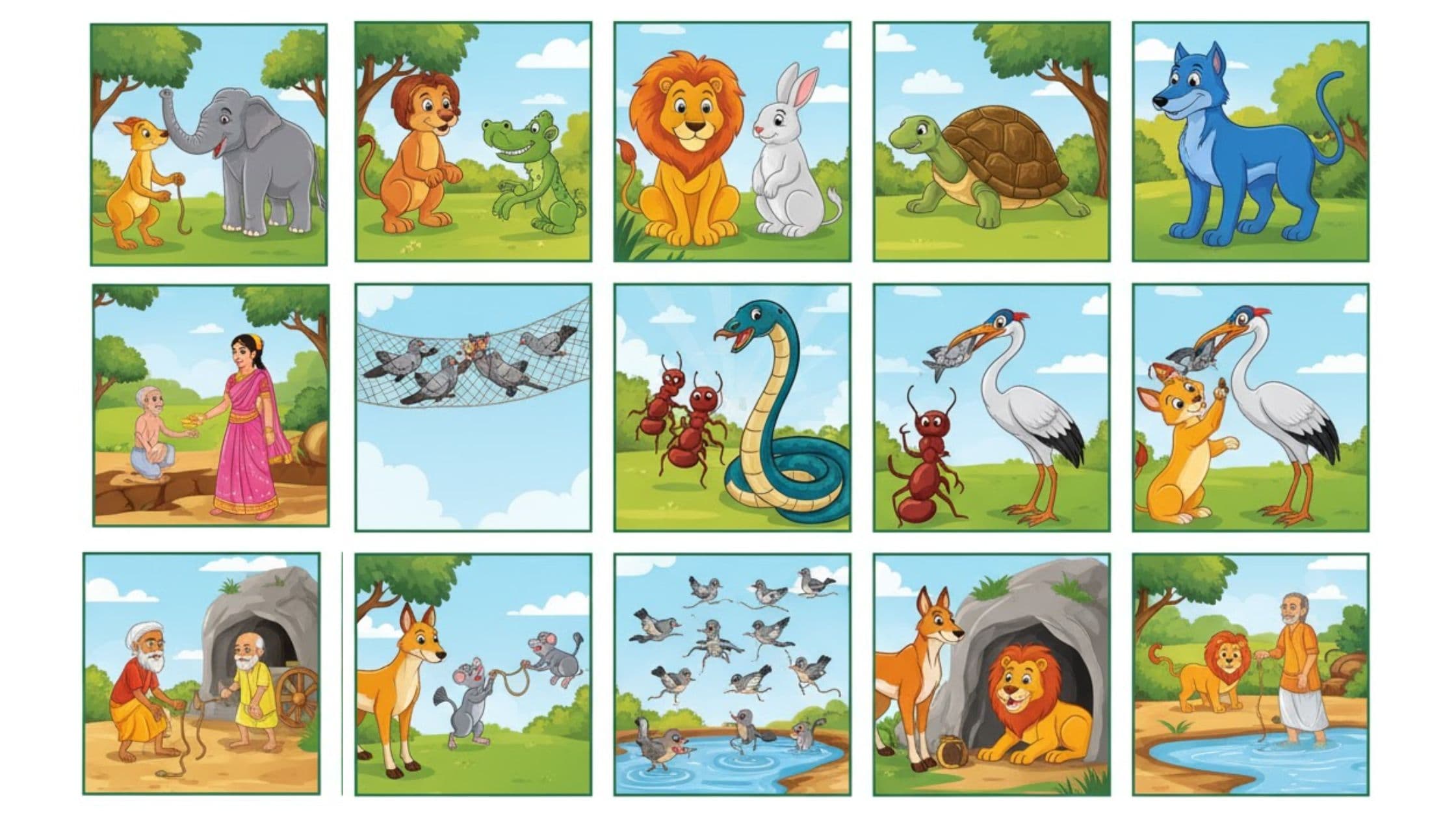
p data-pasted="true">ನಾವೆಲ್ಲರೂ ಕಥೆಗಳನ್ನು ಕೇಳಲು ಇಷ್ಟಪಡುತ್ತೇವೆ ಮತ್ತು ವಿಶೇಷವಾಗಿ ಮಕ್ಕಳು, ಅವರ ವಯಸ್ಸಿನಲ್ಲಿ, ಕಥೆಗಳು ಅವರಿಗೆ ಇತಿಹಾಸದೊಂದಿಗೆ ಸಂಪರ್ಕ ಸಾಧಿಸಲು ಸಹಾಯ ಮಾಡುತ್ತದೆ ಆದರೆ ಅವರು ಚಳುವಳಿಯನ್ನು ಪ್ರೀತಿಸುವಂತೆ ಮಾಡುತ್ತದೆ. ಪಂಚತಂತ್ರ ಕಥೆಗಳು ತಮ್ಮ ಕಾಲ್ಪನಿಕ ಕಥಾವಸ್ತುಗಳು, ಆಕರ್ಷಕ ಪಾತ್ರಗಳು ಮತ್ತು ಟೈಮ್ಲೆಸ್ ನೈತಿಕ ಪಾಠಗಳಿಂದ ಪೀಳಿಗೆಗೆ ಮಕ್ಕಳನ್ನು ಸಂತೋಷಪಡಿಸಿವೆ. ಈ ಕಥೆಗಳು, ಬುದ್ಧಿವಂತಿಕೆಯಿಂದ ತುಂಬಿವೆ, ಸರಳವಾದ, ಸ್ಮರಣೀಯ ರೀತಿಯಲ್ಲಿ ಅಗತ್ಯ ಜೀವನ ಮೌಲ್ಯಗಳನ್ನು ಕಲಿಸುತ್ತವೆ. ವಿನೋದದಿಂದ ತುಂಬಿದ ಕಲಿಕೆಗಾಗಿ ನಿಮ್ಮ ಮಕ್ಕಳೊಂದಿಗೆ ಹಂಚಿಕೊಳ್ಳಲು ಇಂಗ್ಲಿಷ್ನಲ್ಲಿ ನಮ್ಮ 20 ಅತ್ಯುತ್ತಮ ಪಂಚತಂತ್ರ ಕಥೆಗಳ ಪಟ್ಟಿಗೆ ಡೈವ್ ಮಾಡಿ.
1. ಮಂಕಿ ಮತ್ತು ಮೊಸಳೆ
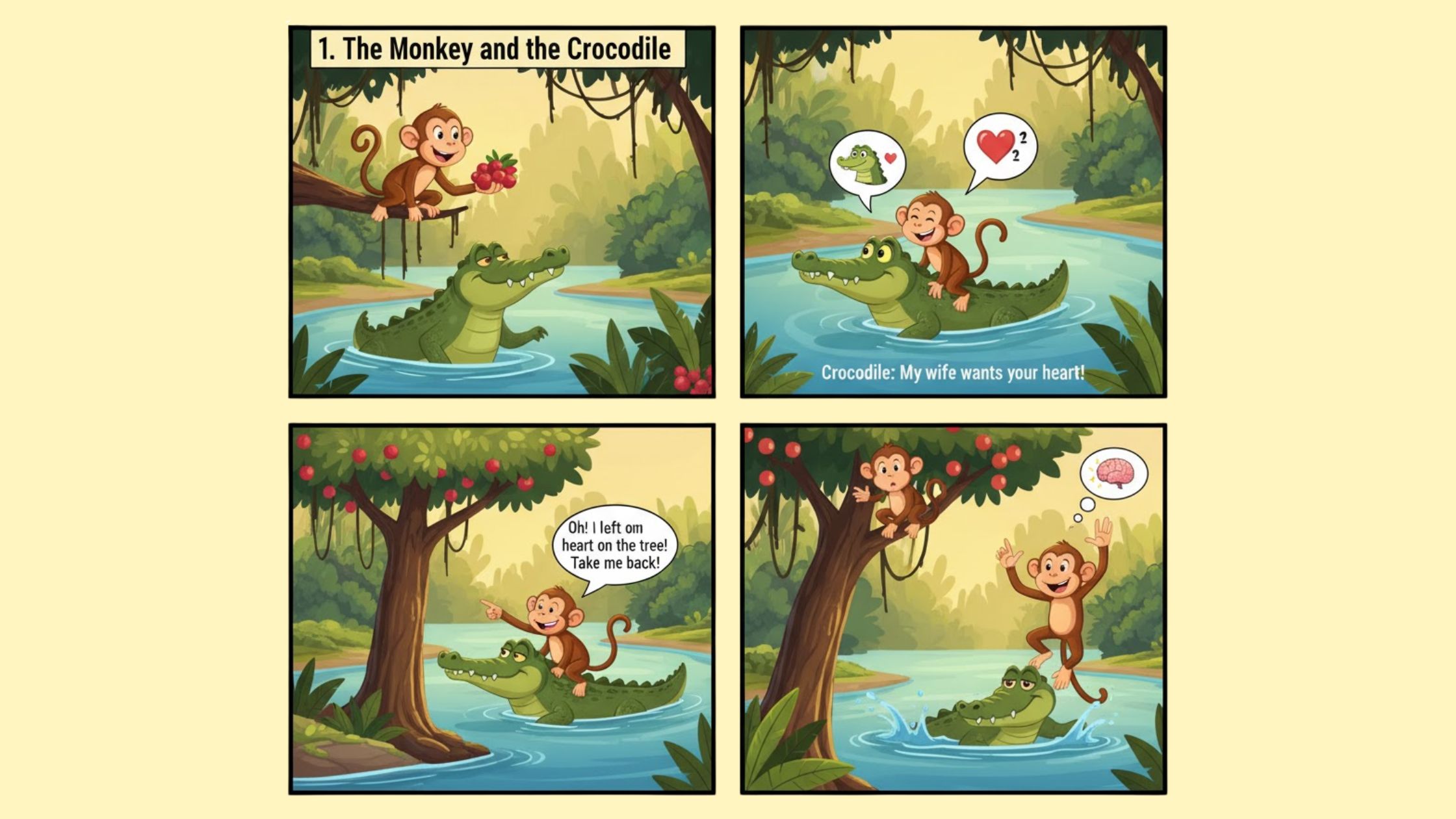
ಒಂದು ಕೋತಿ ಮತ್ತು ಮೊಸಳೆ ಕಾಡಿನಲ್ಲಿ ಸ್ನೇಹಿತರಾಗುತ್ತಾರೆ ಮತ್ತು ಇಬ್ಬರೂ ಒಟ್ಟಿಗೆ ಬಹಳ ಮೋಜು ಮಾಡುತ್ತಾರೆ, ಕೋತಿಯು ಉದಾರವಾಗಿ ತನ್ನ ಮರದಿಂದ ಹಣ್ಣುಗಳನ್ನು ಹಂಚಿಕೊಳ್ಳುತ್ತದೆ ಮತ್ತು ಮೊಸಳೆಯು ಮಂಗವನ್ನು ತನ್ನ ಬೆನ್ನಿನ ಮೇಲೆ ಹೊತ್ತುಕೊಂಡು ನದಿಯನ್ನು ಈಜುವಂತೆ ಮಾಡಿತು. ಆದರೆ ಒಂದು ದಿನ ಮೊಸಳೆ’ನ ಹೆಂಡತಿ ತನ್ನ ಹುಟ್ಟುಹಬ್ಬದಂದು ಕೋತಿಯ ಹೃದಯವನ್ನು ಉಡುಗೊರೆಯಾಗಿ ತಿನ್ನಲು ಬಯಸಿದಳು. ಮೊಸಳೆಯು ಮಂಗನ ಬಳಿಗೆ ಹೋಗಿ ಅವನ ಬೆನ್ನಿನ ಮೇಲೆ ಕರೆದೊಯ್ದಿತು ಮತ್ತು ಇಬ್ಬರೂ ಸ್ನೇಹಿತರಾಗಿದ್ದರಿಂದ ಅವನು ದಾರಿಯಲ್ಲಿ ಅವನಿಗೆ ಎಲ್ಲವನ್ನೂ ಹೇಳಿದನು. ಬುದ್ಧಿವಂತ ಕೋತಿ ಮೊಸಳೆಯ ಹೆಂಡತಿಗೆ ತನ್ನ ಹೃದಯವನ್ನು ಸಂತೋಷದಿಂದ ಉಡುಗೊರೆಯಾಗಿ ನೀಡುತ್ತೇನೆ ಎಂದು ಹೇಳಿ ಮೊಸಳೆಯನ್ನು ಮೋಸಗೊಳಿಸುತ್ತದೆ, ಆದರೆ ಅವನು ಅದನ್ನು ಹೇಳದ ಕಾರಣ, ಅವನು ಮರದ ಮೇಲಿರುವ ಹೃದಯವನ್ನು ಮರೆತು, ಮೊಸಳೆಯನ್ನು ಮರಕ್ಕೆ ಕರೆದೊಯ್ಯಲು ಮೊಸಳೆಯನ್ನು ಕೇಳುತ್ತಾನೆ, ಮತ್ತು ಮೊಸಳೆ ಒಪ್ಪುತ್ತದೆ. ಆಗ ಕೋತಿಯು ಮೊಸಳೆಯನ್ನು ಮೂರ್ಖನನ್ನಾಗಿ ಮಾಡುವ ಮೂಲಕ ಬೇಗನೆ ತಪ್ಪಿಸಿಕೊಳ್ಳುತ್ತದೆ.
ನೈತಿಕ:ಕಷ್ಟದ ಸಮಯದಲ್ಲಿ ಶಾಂತವಾಗಿರಿ ಮತ್ತು ನಿಮ್ಮ ಪಾದಗಳ ಮೇಲೆ ಯೋಚಿಸಿ.
2. ಸಿಂಹ ಮತ್ತು ಮೊಲ
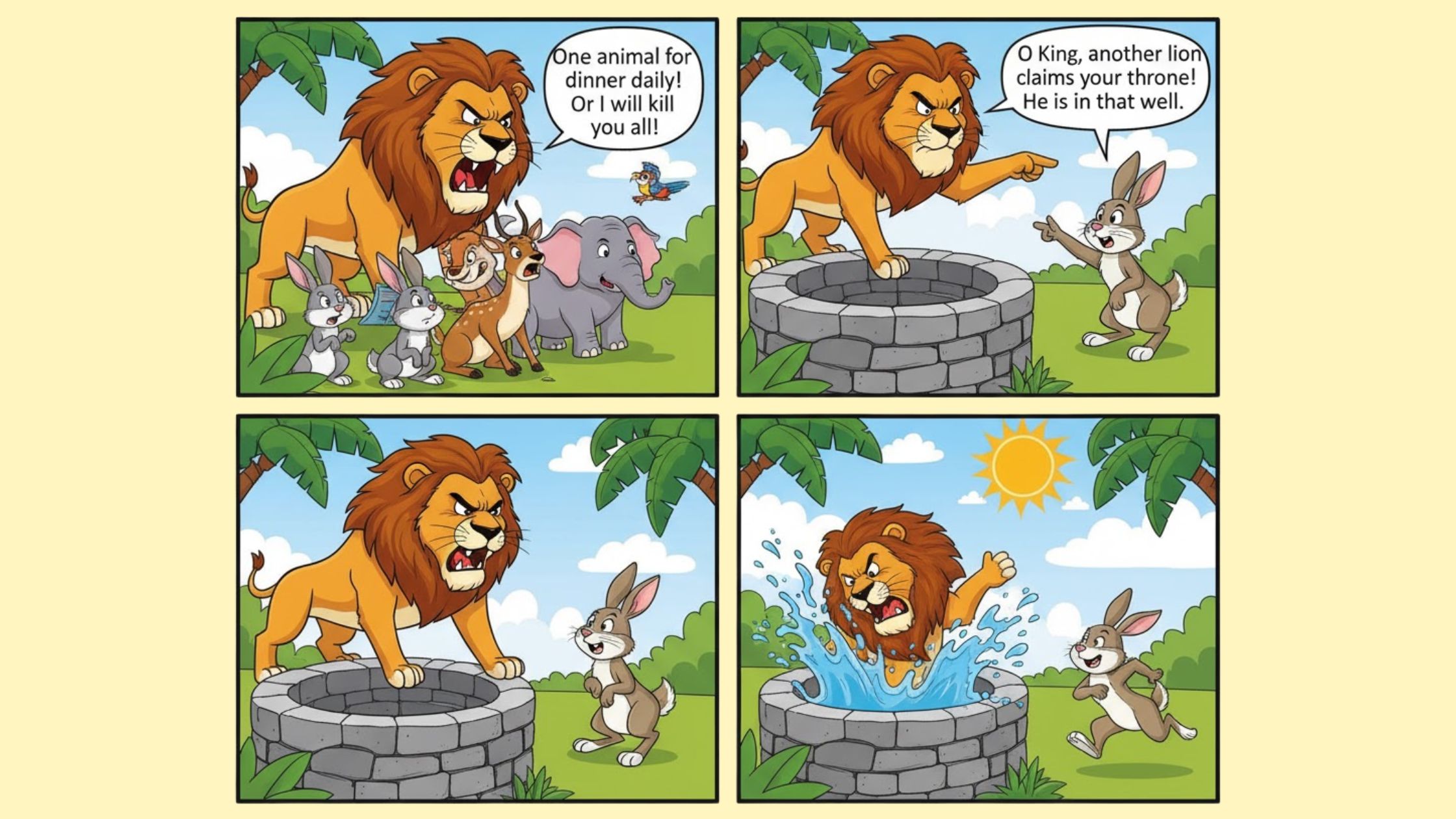
ಒಂದು ಉಗ್ರ ಸಿಂಹವು ಕಾಡಿನ ಪ್ರಾಣಿಗಳನ್ನು ಭಯಭೀತಗೊಳಿಸುತ್ತದೆ ಮತ್ತು ಅವುಗಳನ್ನು ಪ್ರತಿದಿನ ಒಂದೊಂದಾಗಿ ತಿನ್ನುತ್ತದೆ. ಅವನು ಕಾಡಿನ ರಾಜನಾಗಿದ್ದರಿಂದ, ಅವನು ತನ್ನ ಭೋಜನಕ್ಕೆ ಪ್ರತಿ ಪ್ರಾಣಿಯೂ ಒಂದು ದಿನ ಬರಬೇಕು, ಇಲ್ಲದಿದ್ದರೆ ಕಾಡಿನಲ್ಲಿರುವ ಎಲ್ಲರನ್ನೂ ಕೊಲ್ಲುತ್ತಾನೆ ಎಂಬ ನಿಯಮವನ್ನು ಮಾಡಿದನು. ತಮ್ಮನ್ನು ಉಳಿಸಿಕೊಳ್ಳಲು, ಪ್ರಾಣಿಗಳು ಬುದ್ಧಿವಂತ ಮೊಲವನ್ನು ಅವನ ಬಳಿಗೆ ಕಳುಹಿಸುತ್ತವೆ, ಅವರು ಸಿಂಹವನ್ನು ತಿನ್ನಬಹುದು ಎಂದು ಹೇಳಿ ಮೋಸಗೊಳಿಸುತ್ತಾರೆ, ಆದರೆ ಸಮಸ್ಯೆ ಇದೆ. ನಾನು ನಿನ್ನ ಗುಹೆಗೆ ಬರುತ್ತಿರುವಾಗ ಬಾವಿಯಲ್ಲಿ ಇನ್ನೊಂದು ಸಿಂಹವನ್ನು ಕಂಡು, ಅವನು ಈ ಕಾಡಿನ ರಾಜ, ಮತ್ತು ಅವನು ನನ್ನನ್ನು ತಿನ್ನುತ್ತಾನೆ. ಸಿಂಹವು ಅವನೊಂದಿಗೆ ಬಾವಿಗೆ ಹೋಗಿ ಬಾವಿಯಲ್ಲಿ ತನ್ನ ಪ್ರತಿಬಿಂಬದೊಂದಿಗೆ ಹೋರಾಡಲು ಪ್ರಾರಂಭಿಸಿತು. ಸಿಂಹವು ಬಿದ್ದು ಮುಳುಗುತ್ತದೆ, ಅರಣ್ಯವನ್ನು ಉಳಿಸುತ್ತದೆ.
ನೈತಿಕ: ಬುದ್ಧಿವಂತಿಕೆಯು ವಿವೇಚನಾರಹಿತ ಶಕ್ತಿಯ ಮೇಲೆ ಜಯಗಳಿಸುತ್ತದೆ.
3. ಆಮೆ ಮತ್ತು ಹೆಬ್ಬಾತುಗಳು
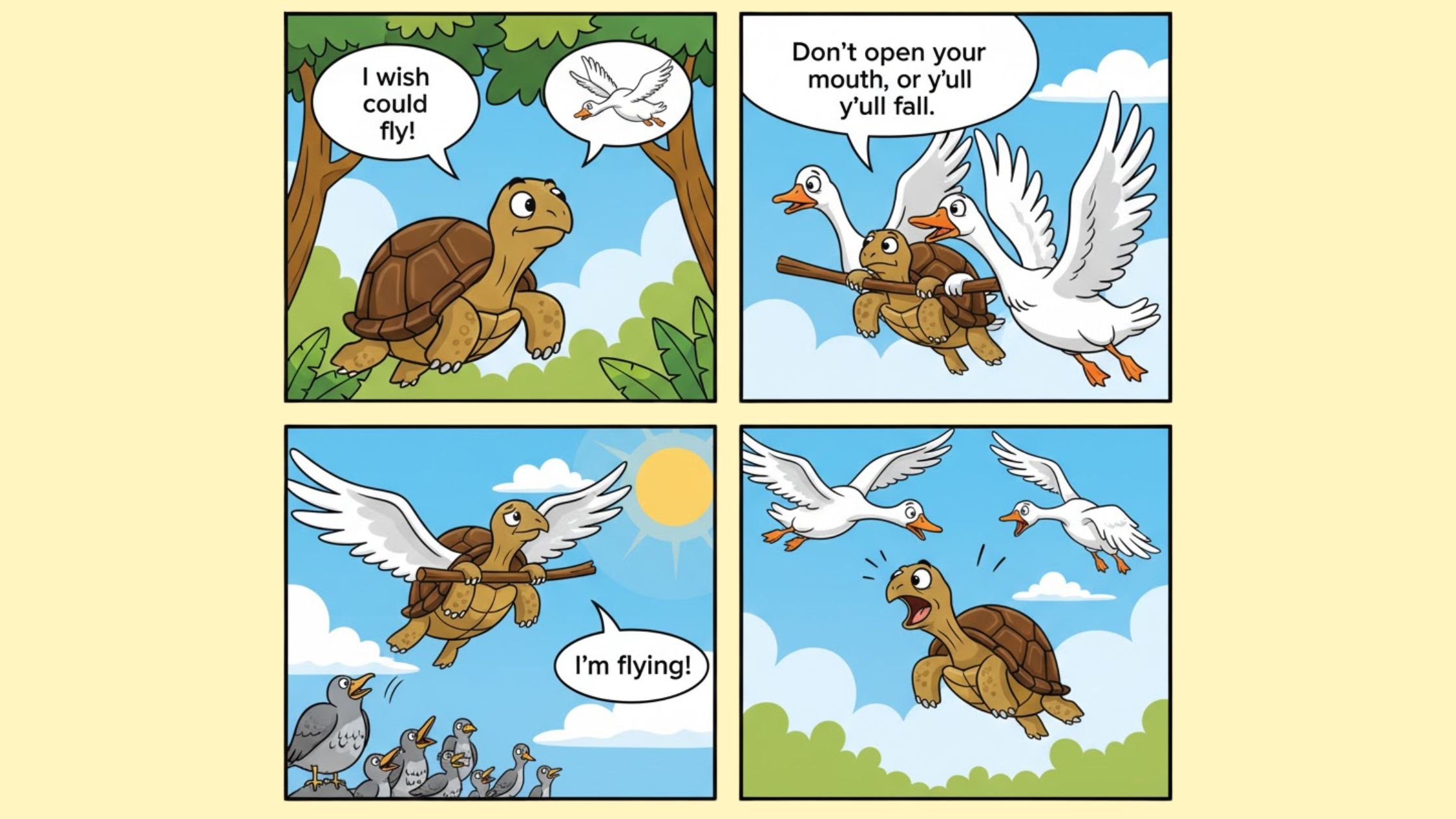
ಒಂದು ಆಮೆಯು ಇಷ್ಟು ದಿನ ಹಾರಲು ಬಯಸುತ್ತದೆ, ಅದು ಹಾರುವುದು ಅವನ ಕನಸಾಗುತ್ತದೆ ಮತ್ತು ಕಾಡಿನಲ್ಲಿ ಪ್ರತಿ ಹಕ್ಕಿಯೊಂದಿಗೆ ಮಾತನಾಡಿದ ನಂತರ, ಅವನು ಅಂತಿಮವಾಗಿ ಎರಡು ಹೆಬ್ಬಾತುಗಳನ್ನು ತನ್ನ ಬಾಯಿಯಲ್ಲಿ ಹಿಡಿದಿರುವ ಕೋಲಿನಿಂದ ಒಯ್ಯಲು ಒಪ್ಪಿಸುತ್ತಾನೆ. ಎರಡೂ ಹೆಬ್ಬಾತುಗಳು ಆಮೆ ತನ್ನ ಜೀವನದಲ್ಲಿ ಒಮ್ಮೆ ಹಾರಲು ಸಹಾಯ ಮಾಡಲು ಮತ್ತು ಅವನ ಕನಸನ್ನು ಪೂರೈಸಲು ಒಪ್ಪಿಕೊಂಡವು. ಬಾಯಿ ತೆರೆಯಬೇಡಿ, ಮೌನವಾಗಿರಿ, ಇಲ್ಲದಿದ್ದರೆ ಆಕಾಶದಿಂದ ಬೀಳುತ್ತೇನೆ ಎಂದು ಅವರು ಎಚ್ಚರಿಸಿದರೂ, ಆಮೆ ಮಾತನಾಡಲು ಬಾಯಿ ತೆರೆದು ನೆಲಕ್ಕೆ ಬೀಳುತ್ತದೆ. ಇದು ಅವನ ತಪ್ಪಿಗೆ ವಿಷಾದಿಸುವಂತೆ ಮಾಡಿತು.
ನೈತಿಕ: ಯಾವಾಗ ಶಾಂತವಾಗಿರಬೇಕು ಮತ್ತು ಸಲಹೆಯನ್ನು ಅನುಸರಿಸಬೇಕು ಎಂದು ತಿಳಿಯಿರಿ.
4. ನೀಲಿ ನರಿ
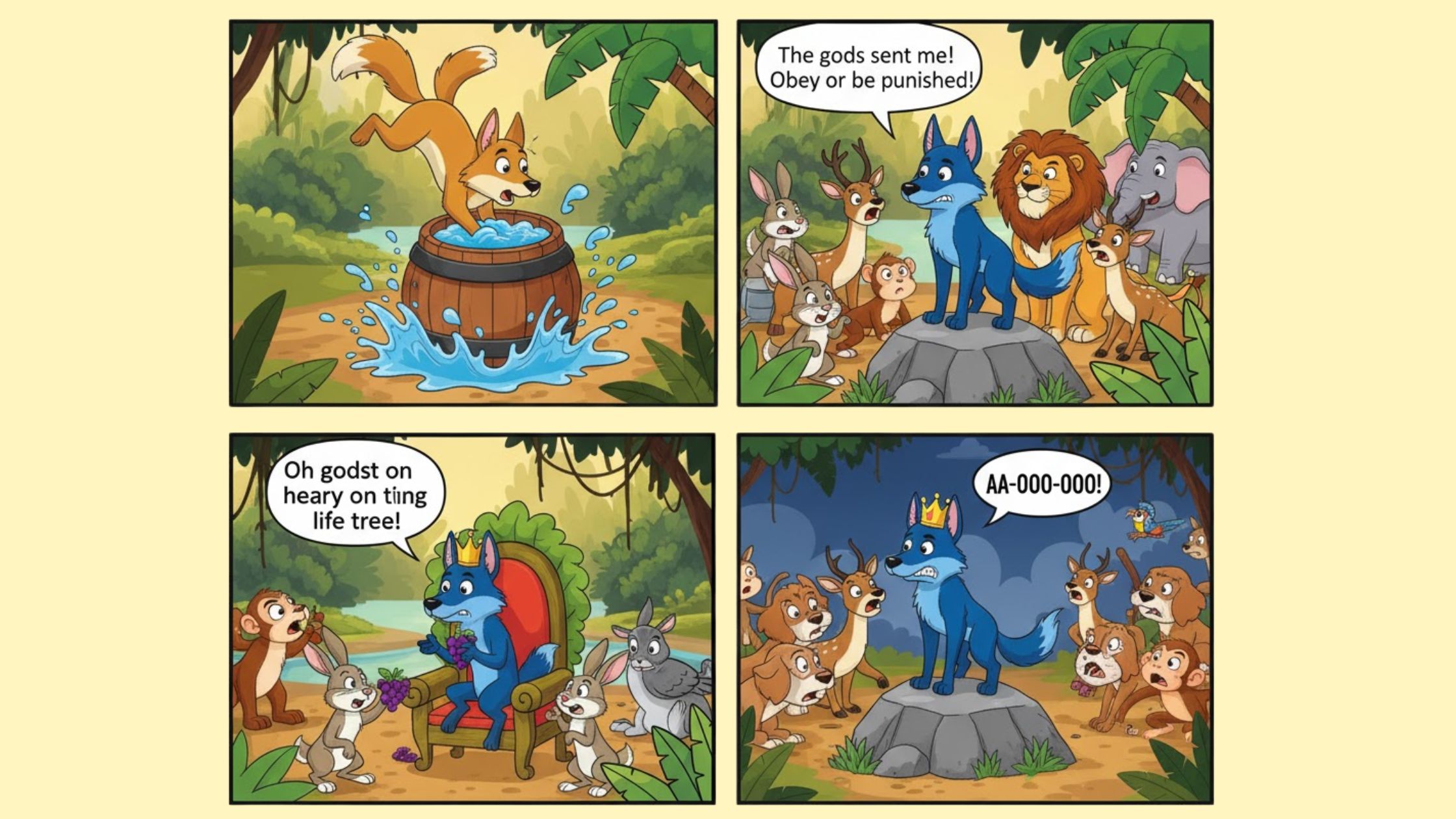
ನರಿ ಆಕಸ್ಮಿಕವಾಗಿ ನೀಲಿ ಬಣ್ಣದ ತೊಟ್ಟಿಗೆ ಬಿದ್ದು “ಕಾಡಿನ ರಾಜ” ಆಗಲು ನಿರ್ಧರಿಸುತ್ತದೆ. ಈ ಗ್ರಾಮವನ್ನು ನೋಡಿಕೊಳ್ಳಲು ದೇವರು ತನ್ನನ್ನು ಕಳುಹಿಸಿದ್ದಾನೆ ಮತ್ತು ಅವನ ಆದೇಶವನ್ನು ಪಾಲಿಸದವನು ದೇವರು ಅವನನ್ನು ಶಿಕ್ಷಿಸುತ್ತಾನೆ ಎಂದು ಅವರು ಎಲ್ಲಾ ಪ್ರಾಣಿಗಳಿಗೆ ಹೇಳಿದರು. ಭಯದಿಂದ ಎಲ್ಲಾ ಪ್ರಾಣಿಗಳು ಅವನನ್ನು ತಮ್ಮ ಹೊಸ ರಾಜನನ್ನಾಗಿ ಸ್ವೀಕರಿಸಿದವು ಮತ್ತು ಅವನ ಎಲ್ಲಾ ಆದೇಶಗಳನ್ನು ಪಾಲಿಸಲು ಪ್ರಾರಂಭಿಸಿದವು. ಅವನು ಇತರ ಪ್ರಾಣಿಗಳನ್ನು ಮರುಳು ಮಾಡುತ್ತಾನೆ, ಆದರೆ ಅವನು ನರಿಯಂತೆ ಕೂಗಿದಾಗ ಅವನ ಹೊದಿಕೆಯು ಹಾರಿಹೋಗುತ್ತದೆ. ಪ್ರಾಣಿಗಳು ಅವನನ್ನು ಓಡಿಸಿದವು, ಮತ್ತು ಅವನನ್ನು ಕಾಡಿನಿಂದ ಹೊರಹಾಕಲಾಯಿತು.
ನೈತಿಕ: ನೀವು ಅಲ್ಲದವರಂತೆ ನಟಿಸುವುದು ಅಂತಿಮವಾಗಿ ಹಿನ್ನಡೆಯಾಗುತ್ತದೆ.
5. ಬುದ್ಧಿವಂತ ಪಾರಿವಾಳ ಮತ್ತು ಬೇಟೆಗಾರ

ಬೇಟೆಗಾರನು ಪಾರಿವಾಳಗಳನ್ನು ಬಲೆಗೆ ಬೀಳಿಸಲು ಬಲೆ ಹಾಕುತ್ತಾನೆ ಮತ್ತು ಒಂದು ಹಿಂಡು ಸಿಕ್ಕಿಬೀಳುತ್ತದೆ. ಬುದ್ಧಿವಂತ ನಾಯಕ ಪಾರಿವಾಳವು ಬಲೆಯನ್ನು ಎತ್ತಲು ತಮ್ಮ ರೆಕ್ಕೆಗಳನ್ನು ಒಟ್ಟಿಗೆ ಬೀಸುವಂತೆ ಸಲಹೆ ನೀಡುತ್ತದೆ. ಅವರು ತಪ್ಪಿಸಿಕೊಂಡು ಮೌಸ್ ಸ್ನೇಹಿತನ ಬಳಿ ಇಳಿಯುತ್ತಾರೆ, ಅವರು ನೆಟ್ ಮೂಲಕ ಅಗಿಯುತ್ತಾರೆ ಮತ್ತು ಅವರನ್ನು ಮುಕ್ತಗೊಳಿಸುತ್ತಾರೆ.
ನೈತಿಕ: ಏಕತೆ ಮತ್ತು ತಂಡದ ಕೆಲಸವು ಯಾವುದೇ ಸಮಸ್ಯೆಯನ್ನು ನಿವಾರಿಸುತ್ತದೆ.
6. ಹಾವು ಮತ್ತು ಇರುವೆಗಳು
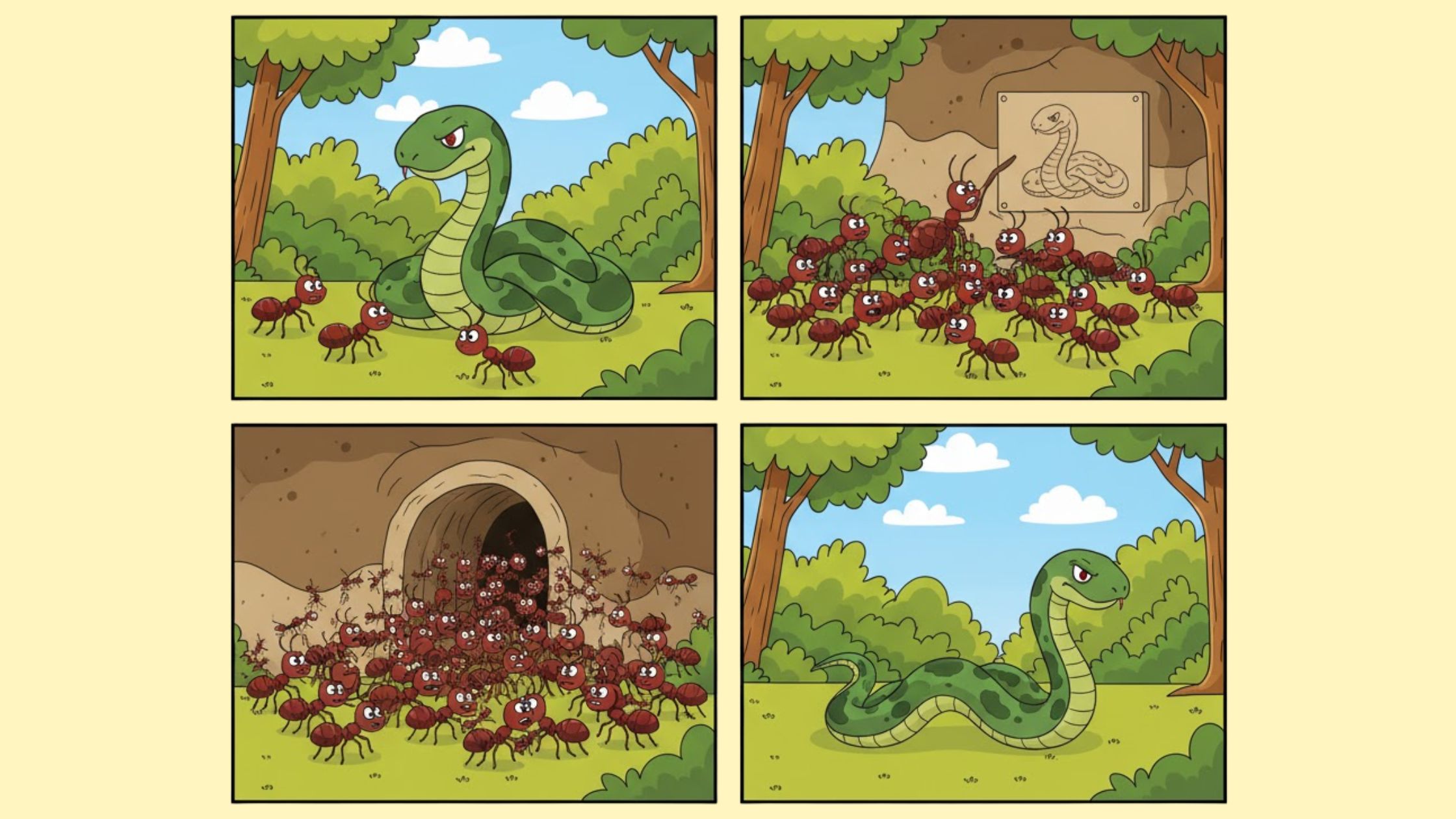
ಒಂದು ಕ್ರೂರ ಹಾವು ಇರುವೆಗಳನ್ನು ಆಕ್ರಮಿಸಿ, ಇರುವೆಗಳನ್ನು ಕೆಟ್ಟದಾಗಿ ತಿನ್ನುತ್ತದೆ. ಎಲ್ಲಾ ಇರುವೆಗಳು ತೊಂದರೆಗೆ ಸಿಲುಕಿದಾಗ, ಅವರು ಹೆಚ್ಚಿನ ಸಂಖ್ಯೆಯಲ್ಲಿ ಹಾವಿನ ಮೇಲೆ ಗುಟ್ಟಾಗಿ ದಾಳಿ ಮಾಡುವ ಯೋಜನೆಯನ್ನು ಮಾಡುತ್ತಾರೆ, ನೋವಿನಿಂದ ಇರುವೆಯಿಂದ ಓಡಿಹೋಗುವವರೆಗೂ ಹಾವನ್ನು ಕಚ್ಚುತ್ತಾರೆ, ಎಂದಿಗೂ ಹಿಂತಿರುಗುವುದಿಲ್ಲ. ಹೂಳುನೆಲ;">7. ಇಲಿ ಮತ್ತು ಆನೆ
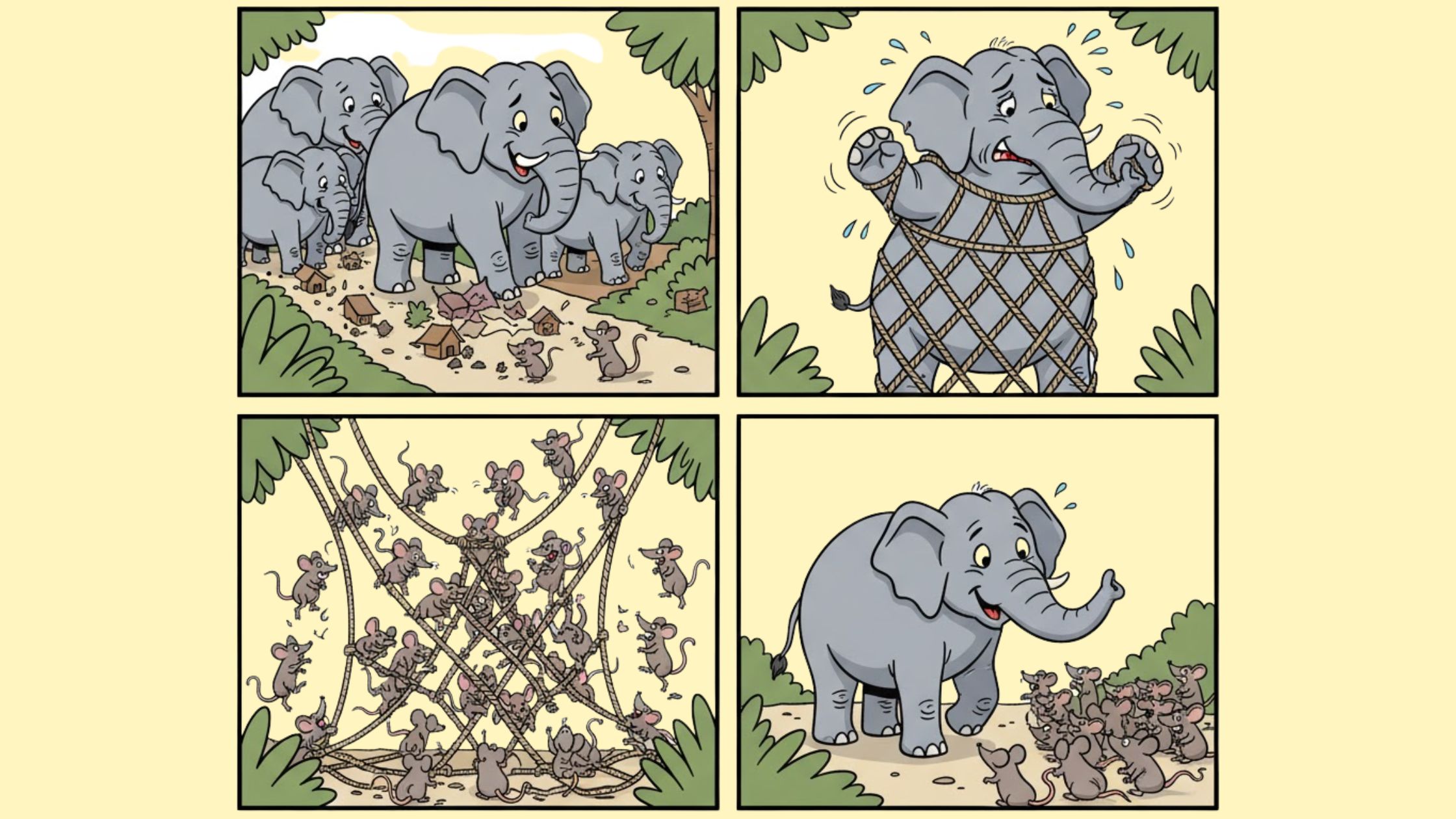
ಅಹಂಕಾರಿ ಆನೆಗಳ ಗುಂಪು ಆಕಸ್ಮಿಕವಾಗಿ ಇಲಿಯ ಹಳ್ಳಿಯನ್ನು ತುಳಿದು, ಏನನ್ನೂ ಮಾಡಲಾಗದ ಸಣ್ಣ ಇಲಿಗಳು ಎಂದು ಭಾವಿಸಿ ಅವುಗಳನ್ನು ನೋಡಿ ನಗಲು ಪ್ರಾರಂಭಿಸುತ್ತದೆ. ಒಂದು ಆನೆಯು ನಂತರ ಸಿಕ್ಕಿಬಿದ್ದಾಗ, ಇಲಿಗಳು ಅವನ ಸ್ನೇಹಿತನ ಎಲ್ಲಾ ಬಲೆಗಳಿಂದ ಅವನನ್ನು ಬಿಡಿಸಲು ಸಹಾಯ ಮಾಡುತ್ತವೆ, ಇದು ಚಿಕ್ಕ ಜೀವಿಯೂ ಸಹ ದೊಡ್ಡ ಮಿತ್ರನಾಗಬಹುದು ಎಂದು ತೋರಿಸುತ್ತದೆ. ಚಿಕ್ಕದು.
8. ದುರಾಸೆಯ ಕ್ರೇನ್
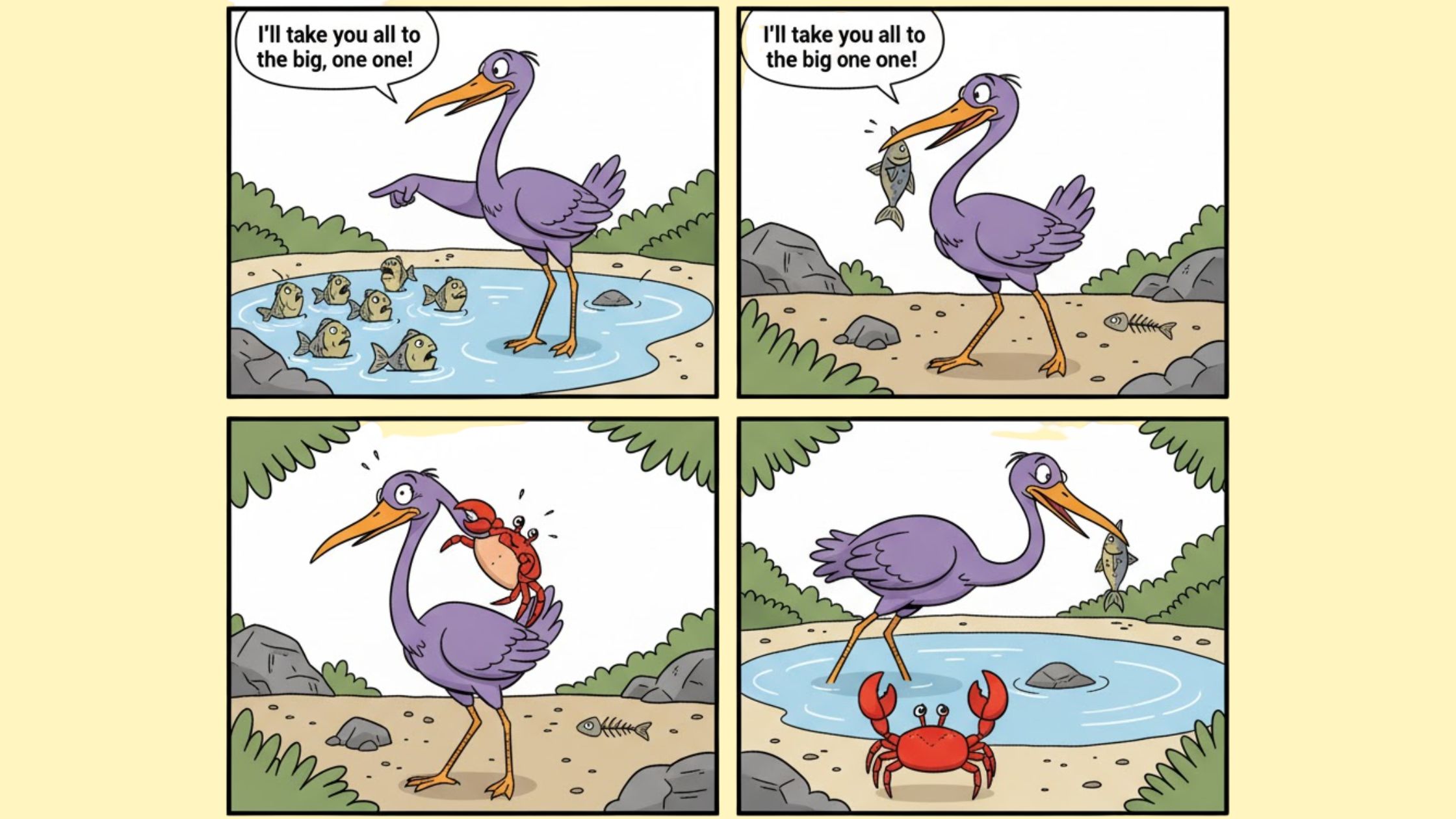
ಒಂದು ಕುತಂತ್ರದ ಕ್ರೇನ್ ಮೀನುಗಳನ್ನು ಒಣಗಿಸುವ ಕೊಳದಿಂದ ದೊಡ್ಡದಕ್ಕೆ ವರ್ಗಾಯಿಸಲು ನೀಡುತ್ತದೆ, ಎಲ್ಲಾ ಮೀನುಗಳು ಅವಳನ್ನು ನಂಬುವಂತೆ ಮಾಡುತ್ತದೆ. ಅವರೆಲ್ಲರೂ ಒಪ್ಪುತ್ತಾರೆ, ಆದರೆ ಕ್ರೇನ್ ಈ ಅವಕಾಶವನ್ನು ಕಂಡುಕೊಳ್ಳುತ್ತದೆ ಮತ್ತು ಬದಲಿಗೆ ಎಲ್ಲಾ ಮೀನುಗಳನ್ನು ತಿನ್ನಲು ಪ್ರಾರಂಭಿಸುತ್ತದೆ. ಸ್ವಲ್ಪ ಸಮಯದ ನಂತರ, ಮೀನುಗಳು ಕ್ರೇನ್ ಅನ್ನು ಅನುಮಾನಿಸಲು ಪ್ರಾರಂಭಿಸುತ್ತವೆ, ಅವರು ಈ ಸಮಯದಲ್ಲಿ ಏಡಿಯನ್ನು ಕಳುಹಿಸಲು ನಿರ್ಧರಿಸುತ್ತಾರೆ. ಅವನು ಬುದ್ಧಿವಂತ ಏಡಿಯೊಂದಿಗೆ ಅದೇ ರೀತಿ ಮಾಡಲು ಪ್ರಯತ್ನಿಸಿದಾಗ, ಏಡಿ ಅವನ ಕುತ್ತಿಗೆಯನ್ನು ಕೆಟ್ಟದಾಗಿ ಹಿಸುಕು ಹಾಕುತ್ತದೆ ಮತ್ತು ತಪ್ಪಿಸಿಕೊಳ್ಳುತ್ತದೆ.
ನೈತಿಕ: ದುರಾಸೆ ಮತ್ತು ಅಪ್ರಾಮಾಣಿಕತೆಯು ಅವನತಿಗೆ ಕಾರಣವಾಗುತ್ತದೆ.
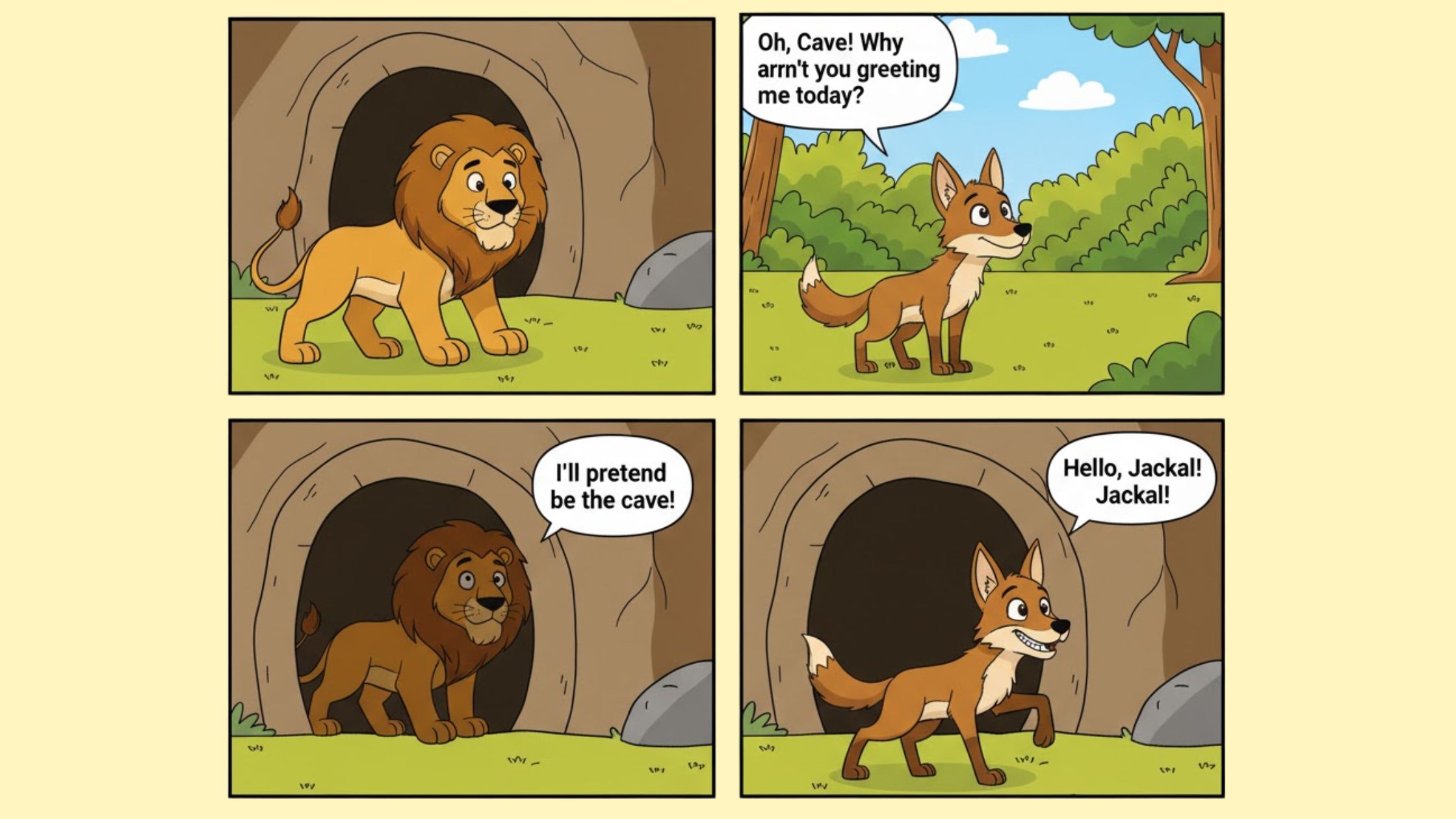
ಸಿಂಹವೊಂದು ಖಾಲಿ ಗುಹೆಯನ್ನು ಕಂಡು ಅದರೊಳಗೆ ಹೊಂಚು ಹಾಕಲು ಹೊಂಚು ಹಾಕುತ್ತದೆ. ಒಂದು ಬುದ್ಧಿವಂತ ನರಿಯು ಗುಹೆಯೊಳಗಿನ ಸಿಂಹದಿಂದ ಅಪಾಯವನ್ನು ಗ್ರಹಿಸುತ್ತದೆ ಮತ್ತು ಗುಹೆಯೊಂದಿಗೆ ಮಾತನಾಡುವಂತೆ ನಟಿಸುತ್ತದೆ, ಸಿಂಹದ ಉಪಸ್ಥಿತಿಯನ್ನು ಬಹಿರಂಗಪಡಿಸುತ್ತದೆ. ಸಿಂಹವನ್ನು ಮೂರ್ಖನನ್ನಾಗಿ ಮಾಡುವ ಮೂಲಕ ನರಿ ಸುರಕ್ಷಿತವಾಗಿ ಓಡಿಹೋಗುತ್ತದೆ.
ನೈತಿಕ: ಯಾವಾಗಲೂ ಜಾಗರೂಕರಾಗಿರಿ ಮತ್ತು ಪರಿಚಯವಿಲ್ಲದ ಸಂದರ್ಭಗಳಲ್ಲಿ ಎಚ್ಚರಿಕೆಯಿಂದಿರಿ.
ಗುಬ್ಬಚ್ಚಿ ಮತ್ತು ಆನೆ
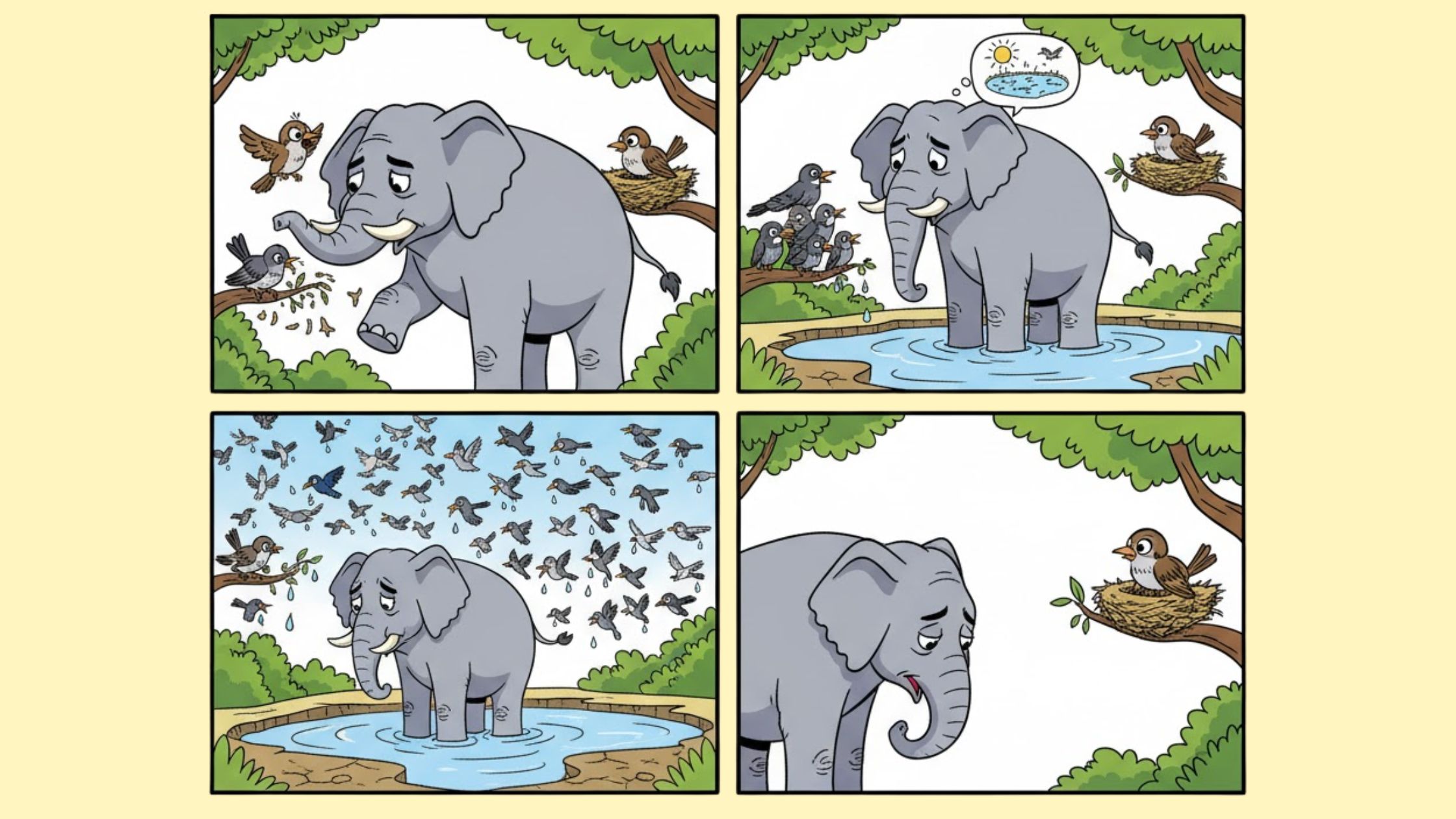
ಆನೆಯು ದುರಹಂಕಾರದಿಂದ ಗುಬ್ಬಚ್ಚಿಯ ಗೂಡನ್ನು ನಾಶಪಡಿಸುತ್ತದೆ. ಗುಬ್ಬಚ್ಚಿಯು ತನ್ನ ಪಕ್ಷಿ ಸ್ನೇಹಿತರ ಸಹಾಯದಿಂದ ಆನೆಗೆ ಪಾಠ ಕಲಿಸಲು ಯೋಜಿಸಿತು, ಆನೆಯನ್ನು ವಿನಮ್ರಗೊಳಿಸಲು ಮತ್ತು ಅವಳ ಮನೆಯನ್ನು ರಕ್ಷಿಸಲು ಒಂದು ಬುದ್ಧಿವಂತ ಯೋಜನೆಯನ್ನು ರೂಪಿಸಿತು. ಎಲ್ಲರೂ ಕೊಳವನ್ನು ಬತ್ತಲು ಯೋಜಿಸಿದರು, ಮತ್ತು ಅವರು ತಂಡದಿಂದ ಅದೇ ರೀತಿ ಮಾಡಿದರು, ಎಲ್ಲಾ ಆನೆಗಳು ಸ್ವಲ್ಪ ನೀರು ಕುಡಿಯಲು ತೊಂದರೆಯಾಯಿತು. ತಮ್ಮ ತಪ್ಪಿನ ಅರಿವಾದ ನಂತರ, ಆನೆಯ ತಲೆಯು ಗುಬ್ಬಚ್ಚಿಯ ಬಳಿಗೆ ಹೋಗಿ ಕರುಣೆಯನ್ನು ಕೇಳಿತು ಮತ್ತು ಅವರ ತಪ್ಪನ್ನು ಒಪ್ಪಿಕೊಂಡಿತು.
ನೈತಿಕ: ಸಾಮೂಹಿಕ ಕೆಲಸ ಮತ್ತು ದೃಢಸಂಕಲ್ಪವು ಪ್ರಬಲ ಶತ್ರುಗಳನ್ನು ಸಹ ಜಯಿಸಬಲ್ಲದು. ಹೂಳುನೆಲ;">11.ಹೆಮ್ಮೆಯ ಬುಲಕ್
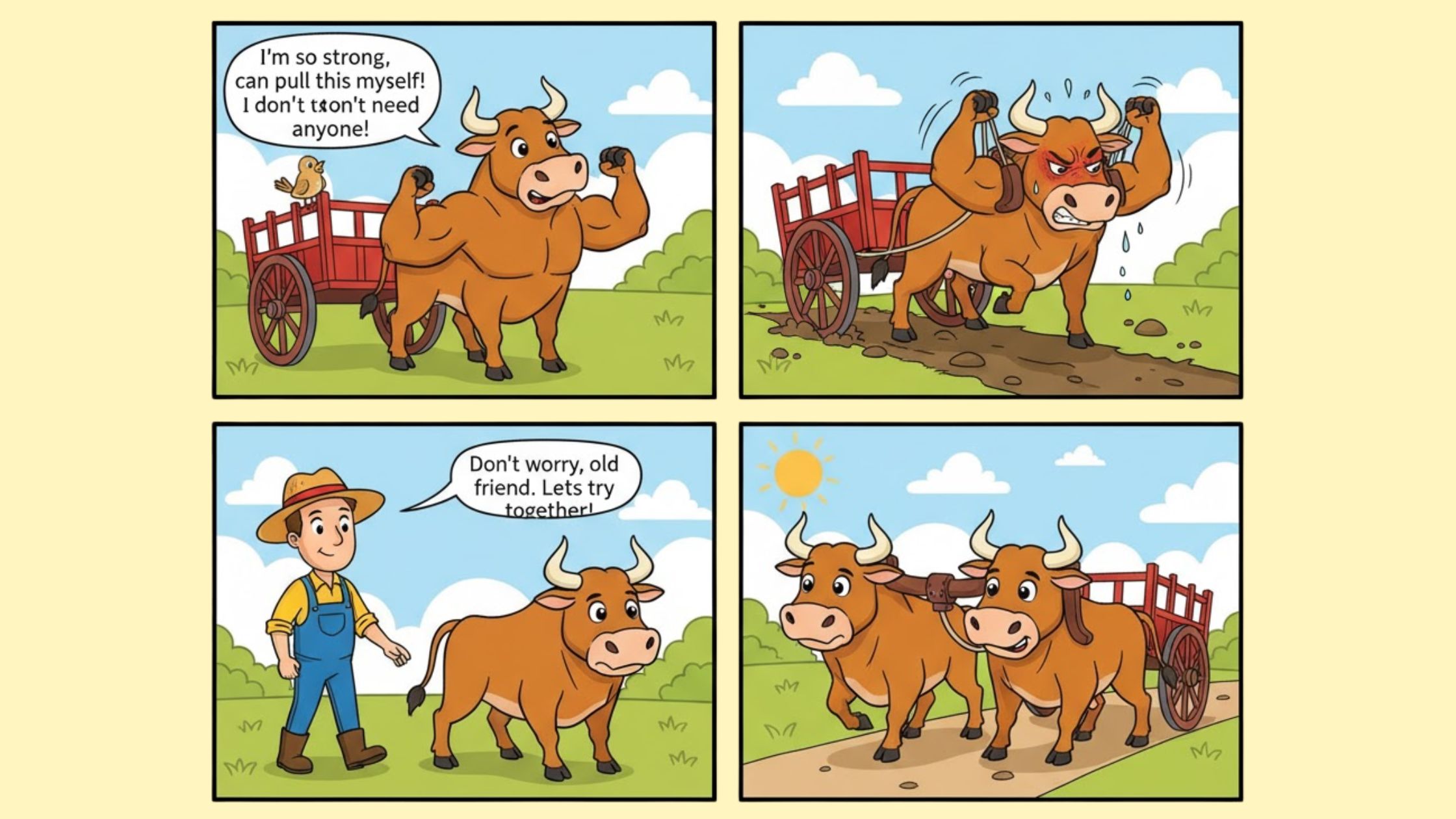
ಒಂದು ಗೂಳಿಯು ತನ್ನಷ್ಟಕ್ಕೆ ತಾನೇ ಭಾರವಾದ ಬಂಡಿಯನ್ನು ಎಳೆಯುವಷ್ಟು ಬಲಶಾಲಿಯೆಂದು ಜಂಬಕೊಚ್ಚಿಕೊಳ್ಳುತ್ತದೆ ಮತ್ತು ಅವನು ಅಹಂಕಾರಿಯಾಗಲು ಪ್ರಾರಂಭಿಸಿದನು. ಆದಾಗ್ಯೂ, ಸಮಯ ಬಂದಾಗ, ಅವನು ಹೋರಾಡುತ್ತಾನೆ ಮತ್ತು ವಿಫಲಗೊಳ್ಳುತ್ತಾನೆ. ಅವನ ರೈತ ಅವನನ್ನು ಮತ್ತೊಂದು ಗೂಳಿಯೊಂದಿಗೆ ಜೋಡಿಸುತ್ತಾನೆ ಮತ್ತು ಒಟ್ಟಿಗೆ ಅವರು ಕೆಲಸವನ್ನು ಸುಲಭವಾಗಿ ಪೂರ್ಣಗೊಳಿಸುತ್ತಾರೆ.
Moral: ಅತಿಯಾದ ಆತ್ಮವಿಶ್ವಾಸವು ವೈಫಲ್ಯಕ್ಕೆ ಕಾರಣವಾಗಬಹುದು, ತಂಡದ ಕೆಲಸವು ಹೆಚ್ಚಿನದನ್ನು ಸಾಧಿಸುತ್ತದೆ.
ಆನೆಯು ಬಾಳೆಹಣ್ಣುಗಳಿಗಾಗಿ ಪ್ರತಿದಿನ ಟೈಲರ್ಗೆ ಭೇಟಿ ನೀಡುತ್ತದೆ. ಒಂದು ದಿನ, ದರ್ಜಿ, ಕೆಟ್ಟ ಮನಸ್ಥಿತಿಯಲ್ಲಿ, ಬಾಳೆಹಣ್ಣು ನೀಡಿ ಬೇಸರಗೊಂಡಿದ್ದರಿಂದ ಆನೆಗೆ ಸೂಜಿಯಿಂದ ಚುಚ್ಚುತ್ತಾನೆ. ಆನೆಯು ತನ್ನ ಸೊಂಡಿಲಿನಲ್ಲಿ ನೀರು ತುಂಬಿಕೊಂಡು ಅದನ್ನು ಸೇಡು ತೀರಿಸಿಕೊಳ್ಳಲು ದರ್ಜಿಯ ಅಂಗಡಿಯ ಮೇಲೆಲ್ಲಾ ಸಿಂಪಡಿಸುತ್ತದೆ. ಅವನು ತನ್ನ ತಪ್ಪನ್ನು ಅರಿತುಕೊಳ್ಳುತ್ತಾನೆ ಮತ್ತು ಅವನು ಯಾರೊಂದಿಗಾದರೂ ಸಕಾರಾತ್ಮಕ ದೃಷ್ಟಿಕೋನದಿಂದ ವರ್ತಿಸುತ್ತಾನೆ ಎಂದು ಭಾವಿಸುತ್ತಾನೆ.
ನೈತಿಕ: ಪ್ರತಿಯಾಗಿ ದಯೆಯನ್ನು ಪಡೆಯಲು ಇತರರನ್ನು ದಯೆಯಿಂದ ನೋಡಿಕೊಳ್ಳಿ.
13. ಹುಲಿಯ ಚರ್ಮದಲ್ಲಿರುವ ಕತ್ತೆ
ಒಂದು ಕತ್ತೆಯು ಹುಲಿಯ ಚರ್ಮವನ್ನು ಧರಿಸಿ ಜನರನ್ನು ಹೆದರಿಸಲು ಮತ್ತು ಯಾವುದೇ ತೊಂದರೆಯಿಲ್ಲದೆ ಬೆಳೆಗಳನ್ನು ಮುಕ್ತವಾಗಿ ತಿನ್ನಲು ಯೋಚಿಸುತ್ತದೆ. ಹುಲಿಯ ಚರ್ಮದೊಂದಿಗೆ ಅವನು ಸುಲಭವಾಗಿ ತಿರುಗಾಡಬಹುದು ಮತ್ತು ತನಗೆ ಬೇಕಾದುದನ್ನು ತಿನ್ನಬಹುದು. ಆದರೆ ಅವನ ಜೋರಾಗಿ ಬೈಯುವುದು ಅವನನ್ನು ಬಿಟ್ಟುಬಿಡುತ್ತದೆ, ಮತ್ತು ಅವನನ್ನು ರೈತರು ಓಡಿಸಿದರು ಮತ್ತು ಕೆಟ್ಟದಾಗಿ ಥಳಿಸುತ್ತಾರೆ.
ನೈತಿಕ: ನೀವು ಅಲ್ಲದವರಂತೆ ನಟಿಸುವುದು ಅಂತಿಮವಾಗಿ ಸತ್ಯವನ್ನು ಬಹಿರಂಗಪಡಿಸುತ್ತದೆ. ಇಲಿಗಳು ಮತ್ತು ಆನೆ ಹಿಂಡು
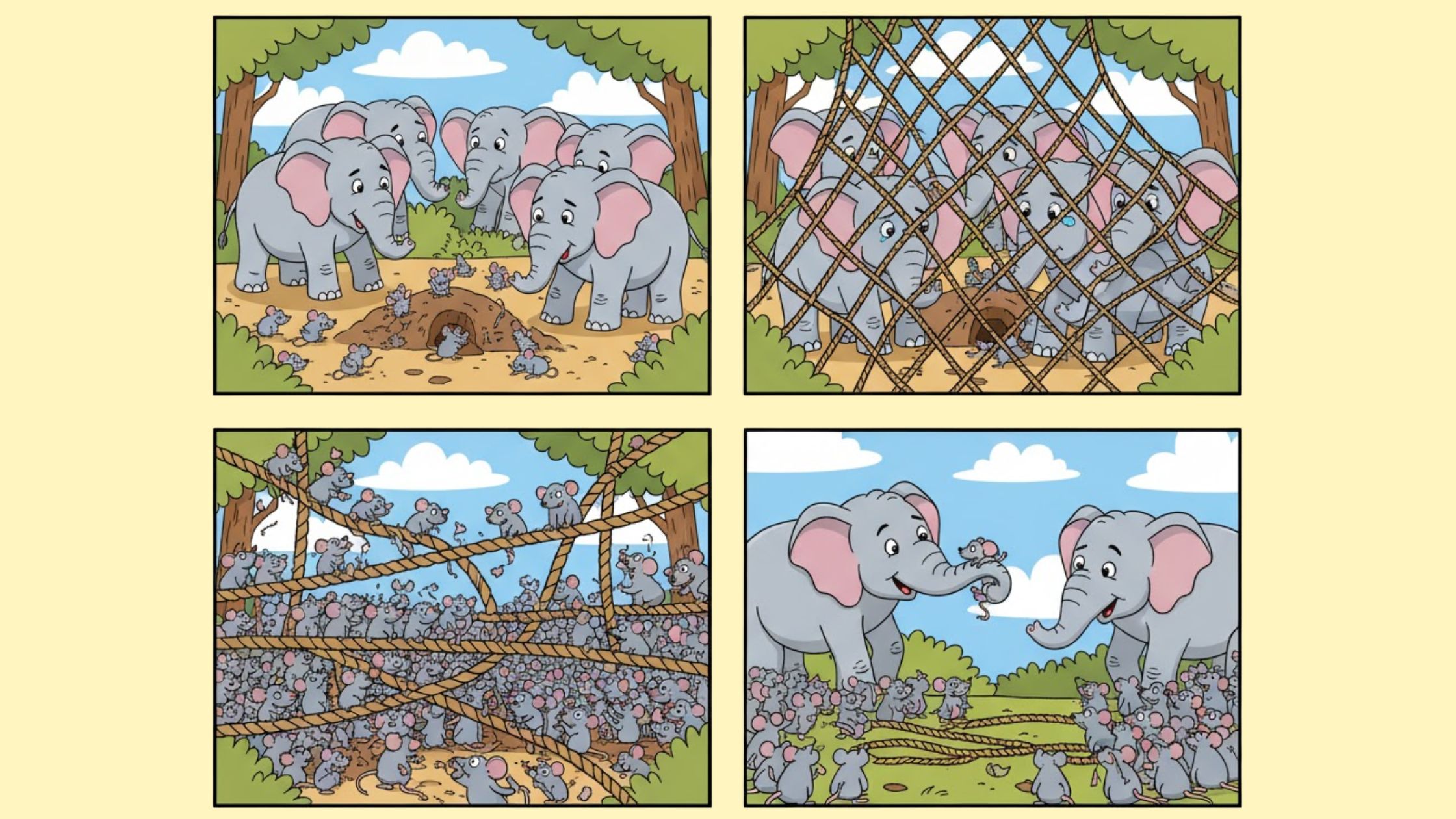
ಆನೆಗಳ ಹಿಂಡು ತಿಳಿಯದೆ ಇಲಿಗಳ ಗ್ರಾಮವನ್ನು ನಾಶಪಡಿಸುತ್ತದೆ. ಬೇಟೆಗಾರರು ನಂತರ ಆನೆಗಳನ್ನು ಬಲೆಗೆ ಬೀಳಿಸಿದಾಗ, ಇಲಿಗಳು ಅವುಗಳ ರಕ್ಷಣೆಗೆ ಬರುತ್ತವೆ, ಅವುಗಳನ್ನು ಬಿಡಿಸಲು ಹಗ್ಗಗಳ ಮೂಲಕ ಅಗಿಯುತ್ತವೆ.
ನೈತಿಕ: ದಯೆಯ ಕಾರ್ಯಗಳು ಎಂದಿಗೂ ವ್ಯರ್ಥವಾಗುವುದಿಲ್ಲ.
ರೈತ ಮತ್ತು ನಾಗರಹಾವು
ಒಬ್ಬ ದಯೆಯ ರೈತ ಬರಗಾಲದ ಸಮಯದಲ್ಲಿ ನಾಗರಹಾವನ್ನು ಉಳಿಸುತ್ತಾನೆ ಮತ್ತು ಸಾಕಷ್ಟು ಪ್ರಯತ್ನದ ನಂತರ ತನ್ನ ಜೀವವನ್ನು ಉಳಿಸುತ್ತಾನೆ, ಆದರೆ ಕೃತಜ್ಞತೆಯಿಲ್ಲದ ನಾಗರಹಾವು ರೈತ ರಾತ್ರಿಯಲ್ಲಿ ಮಲಗಿದ್ದಾಗ ಅವನನ್ನು ಕಚ್ಚುತ್ತದೆ. ಕೆಲವು ಜೀವಿಗಳನ್ನು ನಂಬಲು ಸಾಧ್ಯವಿಲ್ಲ ಎಂದು ರೈತನಿಗೆ ಅರಿವಾಗುತ್ತದೆ.
ನೈತಿಕ:ನೀವು ಯಾರಿಗೆ ಸಹಾಯ ಮಾಡುತ್ತೀರಿ ಎಂಬುದರ ಬಗ್ಗೆ ಜಾಗರೂಕರಾಗಿರಿ.
16. ಒಂಟೆ ಮತ್ತು ನರಿ
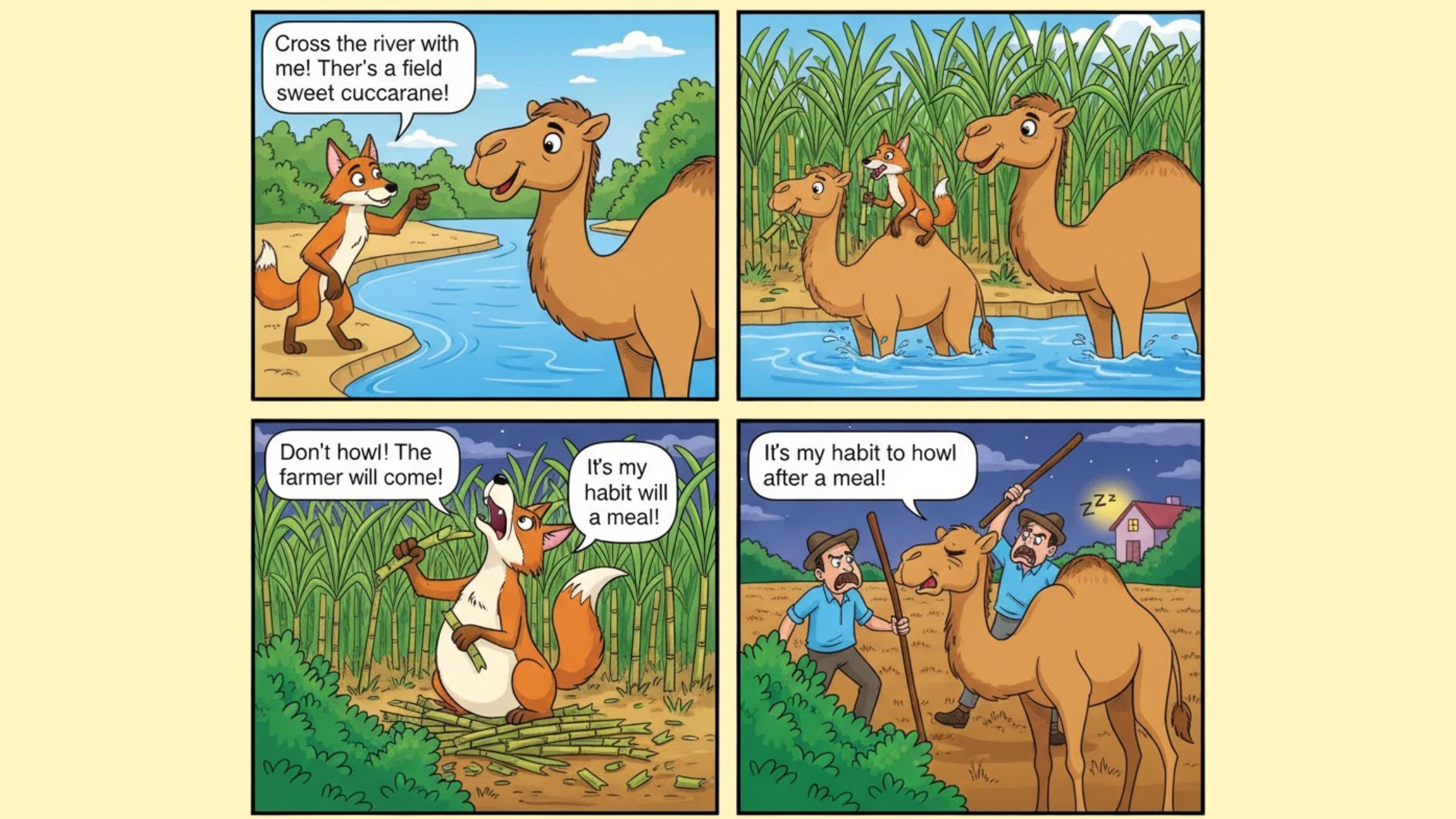
ನರಿಯು ಒಂಟೆಯನ್ನು ನದಿಯ ಹಿಂದೆ ಆಹಾರಕ್ಕಾಗಿ ಒಂದು ಕ್ಷೇತ್ರಕ್ಕೆ ಭೇಟಿ ನೀಡುವಂತೆ ಮನವೊಲಿಸುತ್ತದೆ. ಒಂಟೆಯು ಹಾಗೆ ಮಾಡಲು ಒಪ್ಪಿಕೊಂಡಿತು ಮತ್ತು ನರಿಯನ್ನು ತನ್ನ ಬೆನ್ನಿನ ಮೇಲೆ ಹೊತ್ತುಕೊಂಡು ನದಿಯನ್ನು ದಾಟಲು ಸಹಾಯ ಮಾಡಿತು. ಸ್ವಲ್ಪ ಸಮಯದ ನಂತರ ಇಬ್ಬರೂ ಕಬ್ಬು ತಿನ್ನಲು ಪ್ರಾರಂಭಿಸಿದರು. ನರಿ ತುಂಬಿತ್ತು, ಆದರೆ ಒಂಟೆ ಅವನು ತಿನ್ನಲಿಲ್ಲ, ಮತ್ತು ಅವನು ಕೂಗಲು ಪ್ರಾರಂಭಿಸಿದನು. ಇಲ್ಲವಾದರೆ ರೈತರು ಉದ್ದನೆಯ ಕೋಲುಗಳೊಂದಿಗೆ ಬರುತ್ತಾರೆ ಎಂದು ಒಂಟೆ ಅವನಿಗೆ ಹೇಳಿತು. ತಿಂದ ನಂತರ ಗೋಳಾಡುವುದು ಅವನ ಅಭ್ಯಾಸ ಎಂದು ನರಿ ಉತ್ತರಿಸಿದೆ. ಆದರೆ ನರಿ’ಯ ಸ್ವಾರ್ಥಿ ಕಾರ್ಯಗಳು ಇಬ್ಬರನ್ನೂ ತೊಂದರೆಗೆ ಸಿಲುಕಿಸಿದೆ. ರೈತನು ಓಡಿ ಬಂದನು, ಮತ್ತು ನರಿ ಅವನನ್ನು ಪೊದೆಗಳಲ್ಲಿ ಮರೆಮಾಡಿದನು, ಮತ್ತು ಒಂಟೆಯನ್ನು ರೈತರು ಕೆಟ್ಟದಾಗಿ ಹೊಡೆದರು. ಒಂಟೆಯ ದಯೆಯನ್ನು ಕುತಂತ್ರ ನರಿ ಹಿಂತಿರುಗಿಸುವುದಿಲ್ಲ.
ನೈತಿಕ: ನಿಮ್ಮ ಸ್ನೇಹಿತರನ್ನು ಬುದ್ಧಿವಂತಿಕೆಯಿಂದ ಆರಿಸಿಕೊಳ್ಳಿ.
ಹಕ್ಕಿ ಮತ್ತು ಮಂಗಗಳು
ಮಂಗಗಳಿಗೆ ಮಳೆಯಿಂದ ರಕ್ಷಿಸಿಕೊಳ್ಳಲು ಆಶ್ರಯವನ್ನು ನಿರ್ಮಿಸಲು ಹಕ್ಕಿ ಸಲಹೆ ನೀಡುತ್ತದೆ, ಆದರೆ ಕೋತಿಗಳು ಕೋಪದಿಂದ ಹಕ್ಕಿಯ ಗೂಡನ್ನು ನಾಶಪಡಿಸುತ್ತವೆ. ಕೋತಿಯು ಪಕ್ಷಿಗಳ ಆಜ್ಞೆಯನ್ನು ಸ್ವೀಕರಿಸಲು ಇಷ್ಟಪಡದೆ ಕೋಪಗೊಂಡಂತೆ.
Moral: ಅದನ್ನು ಸ್ವೀಕರಿಸಲು ಮನಸ್ಸಿಲ್ಲದವರಿಗೆ ಸಲಹೆ ನೀಡುವುದು ವ್ಯರ್ಥ.
18. ದಿ ವೀವರ್ ಅಂಡ್ ದಿ ಪ್ರಿನ್ಸೆಸ್
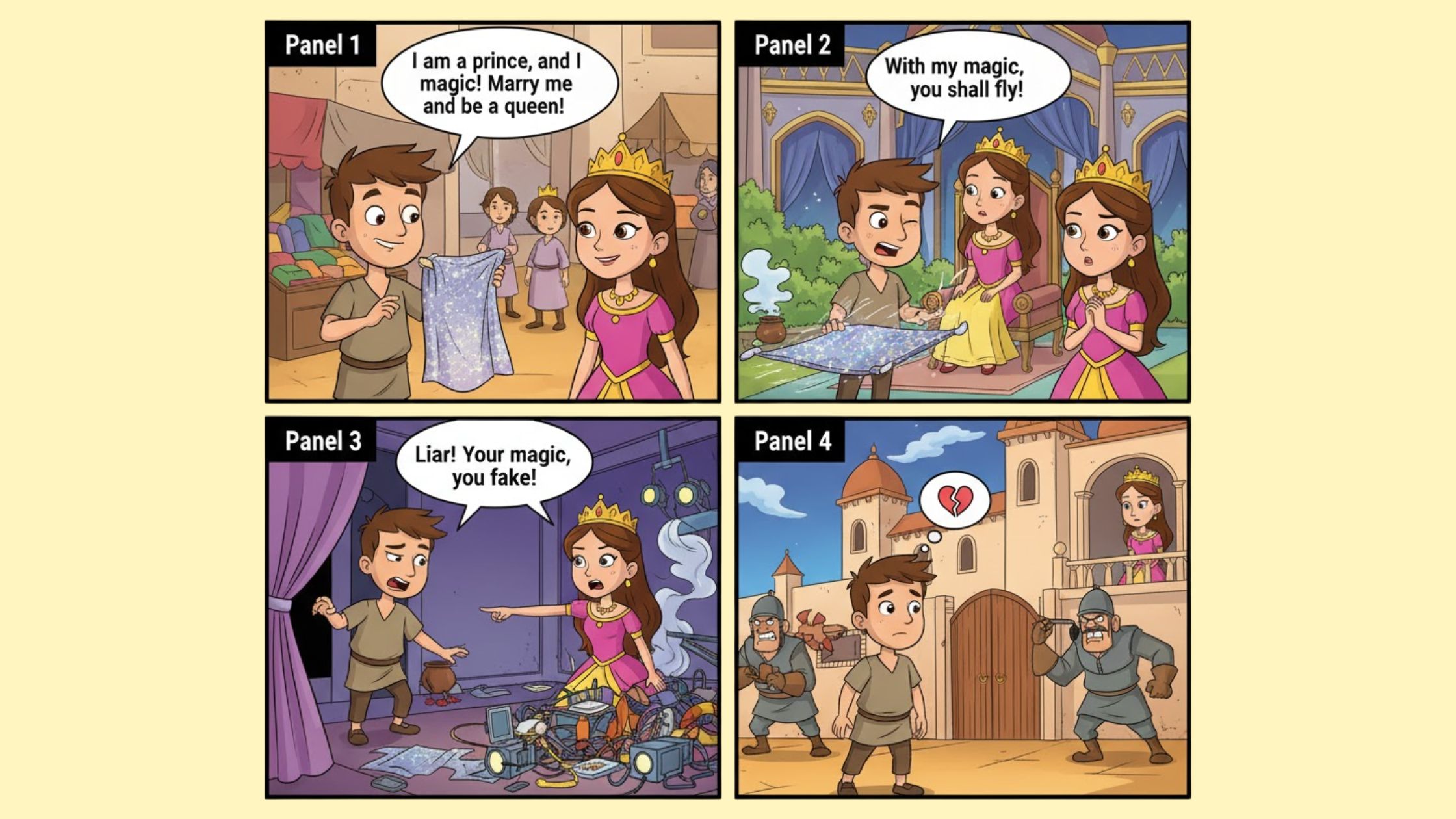
ಒಂದು ದಿನ ಒಬ್ಬ ಬುದ್ಧಿವಂತ ನೇಕಾರನು ಅಂಗಡಿಯ ಬಳಿ ರಾಜಕುಮಾರಿಯನ್ನು ಕಂಡುಕೊಂಡನು, ಮತ್ತು ಅವನು ಅವಳೊಂದಿಗೆ ಮಾತನಾಡಲು ಪ್ರಾರಂಭಿಸಿದನು, ಮತ್ತು ಅವಳು ರಾಜಕುಮಾರಿ ಎಂದು ಅವನು ತಿಳಿದುಕೊಂಡನು, ಆದರೆ ಅವನು ತುಂಬಾ ಬುದ್ಧಿವಂತನಾಗಿದ್ದರಿಂದ ಅವನು ತನ್ನನ್ನು ರಾಜಕುಮಾರ ಎಂದು ಪರಿಚಯಿಸಿದನು. ನಂತರ ಅವರು ನಕಲಿ ಮಾಂತ್ರಿಕ ಭ್ರಮೆಗಳನ್ನು ಸೃಷ್ಟಿಸುವ ಮೂಲಕ ರಾಜಕುಮಾರಿಯನ್ನು ಮದುವೆಯಾಗಲು ತಮ್ಮ ಮಾರ್ಗವನ್ನು ಮೋಸಗೊಳಿಸಲು ಪ್ರಾರಂಭಿಸಿದರು. ಆದಾಗ್ಯೂ, ಅವನ ಮೋಸವನ್ನು ರಾಜಕುಮಾರಿಯು ಒಂದು ದಿನ ಕಂಡುಹಿಡಿದನು ಮತ್ತು ಅವನು ಎಲ್ಲವನ್ನೂ ಕಳೆದುಕೊಳ್ಳುತ್ತಾನೆ.
ನೈತಿಕ: ಪ್ರಾಮಾಣಿಕತೆಯು ಯಾವಾಗಲೂ ಅತ್ಯುತ್ತಮ ನೀತಿಯಾಗಿದೆ. ಕಾಗೆಗಳು ಮತ್ತು ಕಪ್ಪು ಹಾವು
ಕುತಂತ್ರದ ಕಪ್ಪು ಹಾವು ಪ್ರತಿದಿನ ಕಾಗೆ ಮೊಟ್ಟೆಗಳನ್ನು ಅವರಿಗೆ ತಿಳಿಯದಂತೆ ತಿನ್ನುತ್ತದೆ. ಕಾಗೆಗೆ ಈ ವಿಷಯ ತಿಳಿದಾಗ, ಹಾವನ್ನು ರಂಧ್ರದಿಂದ ಹೊರತೆಗೆದು ಹಾರವನ್ನು ಪಡೆಯುವ ಜನರನ್ನು ಆಕರ್ಷಿಸಲು ಅವನು ಹಾವಿನ ರಂಧ್ರಕ್ಕೆ ಚಿನ್ನದ ಹಾರವನ್ನು ಹಾಕಲು ಯೋಜಿಸುತ್ತಾನೆ. ಇದು ಹಾವಿನಿಂದ ಅವನ ಮೊಟ್ಟೆಗಳನ್ನು ಮತ್ತು ಜೀವವನ್ನು ಉಳಿಸಿತು.
ನೈತಿಕ: ತಂಡದ ಕೆಲಸ ಮತ್ತು ಬುದ್ಧಿವಂತಿಕೆಯು ದೊಡ್ಡ ಸಮಸ್ಯೆಗಳನ್ನು ಸಹ ಪರಿಹರಿಸುತ್ತದೆ.
20. ಹಳೆಯ ಮನುಷ್ಯ ಮತ್ತು ಚಿನ್ನದ ನಾಣ್ಯಗಳು
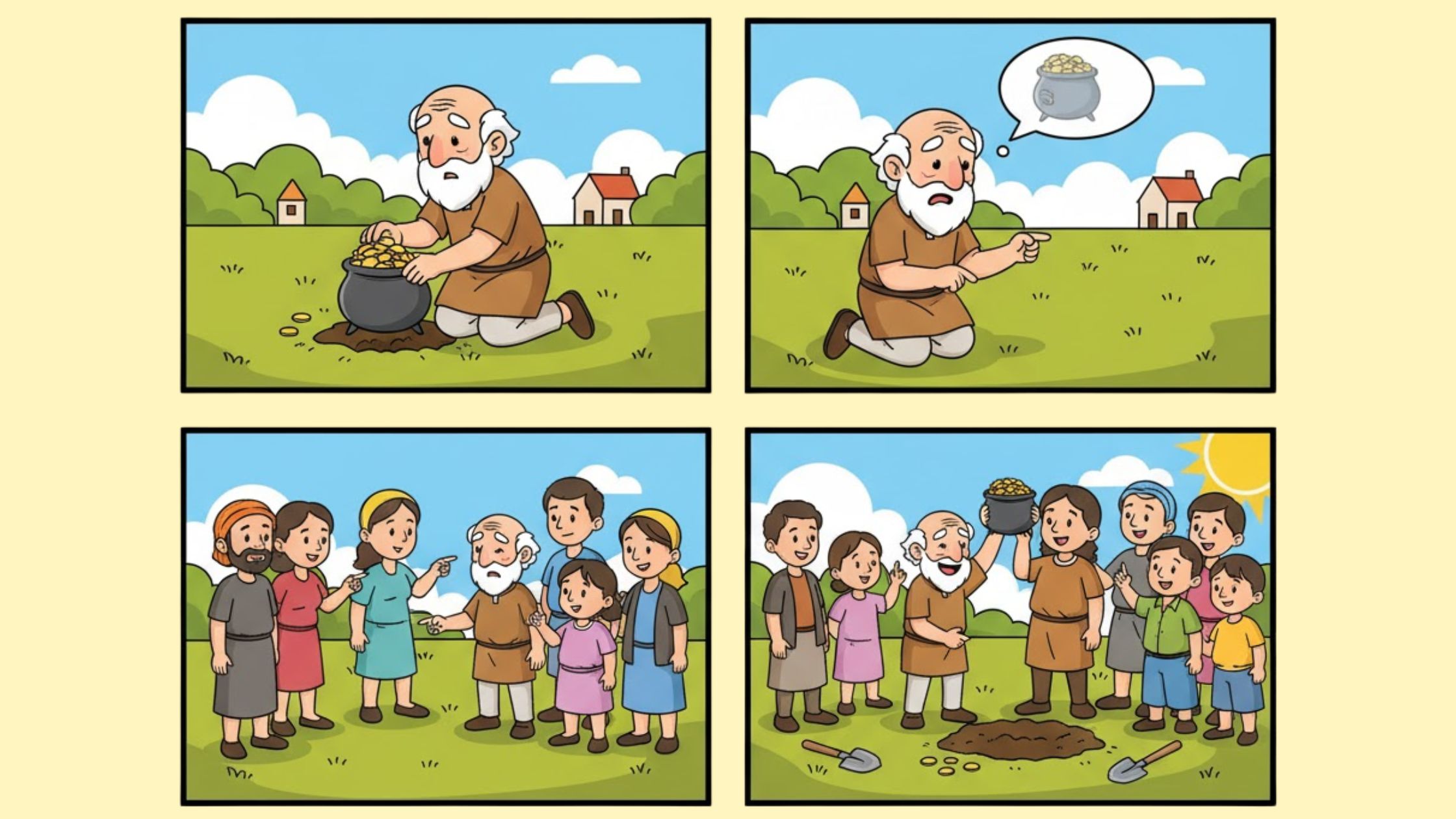
ಒಬ್ಬ ಮುದುಕನು ತನ್ನ ಚಿನ್ನವನ್ನು ಹೊಲದಲ್ಲಿ ಹೂತಿಡುತ್ತಾನೆ ಆದರೆ ವಯಸ್ಸಾಗುತ್ತಿದ್ದಂತೆ ಅದರ ಸ್ಥಳವನ್ನು ಮರೆತುಬಿಡುತ್ತಾನೆ. ಹಳ್ಳಿಗರು ಅವನಿಗೆ ನಿಧಿಯನ್ನು ಹುಡುಕಲು ಸಹಾಯ ಮಾಡಿದಾಗ ಅವನ ಪ್ರಾಮಾಣಿಕತೆಯು ಅವನನ್ನು ಮರಳಿ ಗೆಲ್ಲುತ್ತದೆ.
ನೈತಿಕ:ಪ್ರಾಮಾಣಿಕತೆ ಮತ್ತು ನಮ್ರತೆಯು ಯಾವಾಗಲೂ ಪ್ರತಿಫಲವನ್ನು ನೀಡುತ್ತದೆ. ಮಕ್ಕಳು
ಪಂಚತಂತ್ರ ಕಥೆಗಳು ವಿನೋದ ಮತ್ತು ಆಕರ್ಷಕ ಕಥಾವಸ್ತುಗಳಲ್ಲಿ ಸುತ್ತುವ ಜೀವನ ಪಾಠಗಳ ನಿಧಿಯಾಗಿದೆ. ಅವರು ಟೀಮ್ವರ್ಕ್, ಪ್ರಾಮಾಣಿಕತೆ ಮತ್ತು ದಯೆಯಂತಹ ಮೌಲ್ಯಗಳನ್ನು ಮಕ್ಕಳಿಗೆ ಅರ್ಥಮಾಡಿಕೊಳ್ಳಲು ಮತ್ತು ನೆನಪಿಟ್ಟುಕೊಳ್ಳಲು ಸುಲಭವಾದ ರೀತಿಯಲ್ಲಿ ಕಲಿಸುತ್ತಾರೆ.
ಕಥೆಯ ಸಮಯವನ್ನು ವಿಶೇಷವಾಗಿಸಲು ಸಲಹೆಗಳು:
- ದಿನಕ್ಕೆ ಒಂದು ಕಥೆಯೊಂದಿಗೆ ಪ್ರಾರಂಭಿಸಿ ಇದರಿಂದ ಚರ್ಚೆಯು ನಿರ್ಮಾಣಕ್ಕೆ ಕಾರಣವಾಗುತ್ತದೆ.
- ಅವರ ಕಲಿಕೆಯನ್ನು ಹೆಚ್ಚು ತೊಡಗಿಸಿಕೊಳ್ಳಲು ನೈಜ-ಜೀವನದ ಉದಾಹರಣೆಗಳೊಂದಿಗೆ ನೈತಿಕತೆಯನ್ನು ವಿವರಿಸಿ.
ಆದ್ದರಿಂದ ನಿಮ್ಮ ಮಗುವಿನೊಂದಿಗೆ ಈ ಅತ್ಯುತ್ತಮ ಪಂಚತಂತ್ರ ಕಥೆಗಳನ್ನು ಆನಂದಿಸಲು ಖಚಿತಪಡಿಸಿಕೊಳ್ಳಿ ಮತ್ತು ಜೀವನದ ಪ್ರಮುಖ ಪಾಠಗಳನ್ನು ಕಲಿಯುವಂತೆ ಮಾಡಿ, ಏಕೆಂದರೆ ಈ ಪಾಠಗಳು ಪ್ರತಿ ಮಗುವಿಗೆ ತಿಳಿದಿರಲು ಶಕ್ತಿಯುತ ಮತ್ತು ಮುಖ್ಯವಾಗಿವೆ. ಕಥೆಯ ಸಮಯವು ನಿಮ್ಮ ಕುಟುಂಬಕ್ಕೆ ಸಂಬಂಧವನ್ನು ಬೆಳೆಸುವ ಸಮಯವಾಗಿರಬೇಕು.
FAQs
"ಪಂಚತಂತ್ರ" ಶೀರ್ಷಿಕೆಯ ಅರ್ಥವೇನು?
ಪಂಚತಂತ್ರ ಎಂಬ ಪದವು ಸಂಸ್ಕೃತದಿಂದ ಬಂದಿದೆ: ಪಂಚ ಎಂದರೆ "ಐದು" + ತಂತ್ರ ಎಂದರೆ "ಸಂಬಂಧ ಅಥವಾ ತತ್ವಗಳು". ಸಂಗ್ರಹವನ್ನು ಐದು ಪುಸ್ತಕಗಳಾಗಿ ವಿಂಗಡಿಸಲಾಗಿದೆ, ಪ್ರತಿಯೊಂದೂ ನೀತಿಕಥೆಗಳ ಮೂಲಕ ಜೀವನದ ವಿವಿಧ ಅಂಶಗಳನ್ನು ಕಲಿಸುತ್ತದೆ.
ಪಂಚತಂತ್ರ ಕಥೆಗಳನ್ನು ಬರೆದವರು ಯಾರು?
ವಿದ್ವಾಂಸ ವಿಷ್ಣು ಶರ್ಮಾಗೆ ಸಾಂಪ್ರದಾಯಿಕ ಗುಣಲಕ್ಷಣವಾಗಿದೆ, ಅವರು ಯುವ ರಾಜಕುಮಾರರಿಗೆ ಕಲಿಸಲು ಈ ಕಥೆಗಳನ್ನು ರಚಿಸಿದ್ದಾರೆ ಎಂದು ಹೇಳಲಾಗುತ್ತದೆ.
ಈ ಕಥೆಗಳು ಯಾವ ವಯಸ್ಸಿನವರಿಗೆ ಉತ್ತಮವಾಗಿವೆ?
ಬ್ಲಾಗ್ನ ಗುರಿ ಮಕ್ಕಳು ಎಂದು ತೋರುತ್ತಿರುವಾಗ, ಓದುವ ಮಟ್ಟ ಮತ್ತು ಆಸಕ್ತಿಯನ್ನು ಅವಲಂಬಿಸಿ ಈ ಕಥೆಗಳು ಸರಿಸುಮಾರು 4-10 ವರ್ಷ ವಯಸ್ಸಿನ ಮಕ್ಕಳಿಗೆ ಸೂಕ್ತವೆಂದು ಇತರ ಮೂಲಗಳು ಸೂಚಿಸುತ್ತವೆ.
ಪಂಚತಂತ್ರ ಕಥೆಗಳನ್ನು ಓದುವುದರಿಂದ ಮಗುವಿನ ಓದುವಿಕೆ ಮತ್ತು ನೈತಿಕ ಕೌಶಲ್ಯಗಳನ್ನು ಸುಧಾರಿಸಬಹುದೇ?
ಹೌದು — ಕಥೆಗಳು ಮನರಂಜನೆಯನ್ನು ಮೌಲ್ಯಗಳೊಂದಿಗೆ ಸಂಯೋಜಿಸುವುದರಿಂದ, ಅವರು ಮಕ್ಕಳನ್ನು ತೊಡಗಿಸಿಕೊಳ್ಳಬಹುದು ಮತ್ತು ಗ್ರಹಿಕೆ ಮತ್ತು ನೈತಿಕ ತಾರ್ಕಿಕತೆಯನ್ನು ನಿರ್ಮಿಸಲು ಸಹಾಯ ಮಾಡಬಹುದು. ಉದಾಹರಣೆಗೆ: "ಈ ಪಂಚತಂತ್ರ ಕಥೆಗಳು ಮಕ್ಕಳಿಗೆ ಪ್ರಾಮಾಣಿಕತೆ, ಸ್ನೇಹ ಮತ್ತು ಬುದ್ಧಿವಂತಿಕೆಯಂತಹ ಪ್ರಮುಖ ಮೌಲ್ಯಗಳನ್ನು ಕಲಿಯಲು ಸಹಾಯ ಮಾಡುತ್ತದೆ."
