Wooby

ബ്ലൂ ലൈറ്റ് കുട്ടികളുടെ കണ്ണുകളെ എങ്ങനെ ബാധിക്കുന്നു: ലക്ഷണങ്ങൾ, അപകടസാധ്യതകൾ & സംരക്ഷണ നുറുങ്ങുകൾ
Published On: 24 September 2026
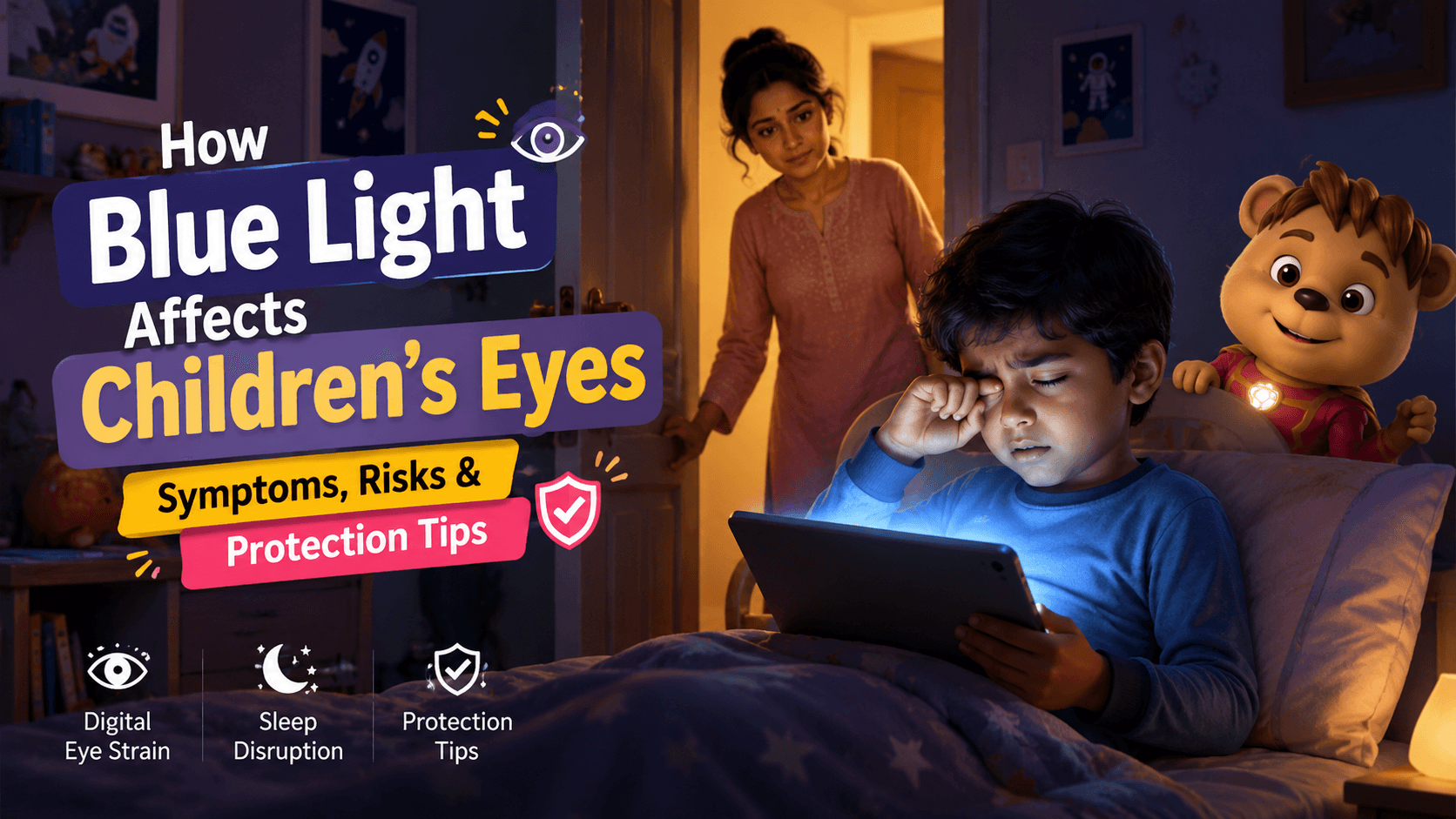
കിടപ്പുമുറിയുടെ വാതിലിനടിയിൽ നിന്ന് ചൂട് വെളിച്ചം വരുന്നത് മീര ശ്രദ്ധിച്ചു. സമയം ഏകദേശം 10 മണി ആയിരുന്നു. അവൾ 7 വയസ്സുള്ള ആരവിനെ ഒരു മണിക്കൂർ മുമ്പ് ഉറങ്ങാൻ കിടത്തി, അവനെ ചുംബിച്ചു, സ്കൂൾ വീണ്ടും രാവിലെ ആരംഭിക്കുമെന്ന് ഓർമ്മിപ്പിച്ചു. അവൻ ഉറങ്ങുന്നത് കാണുമെന്ന് പ്രതീക്ഷിച്ച് അവൾ നിശബ്ദമായി വാതിൽ തുറന്നു. അവൻ കവറിനു താഴെ ഇരിക്കുന്നതും അവൻ്റെ മുഖത്ത് നിന്ന് ഏതാനും ഇഞ്ച് അകലെ ഒരു ടാബ്ലെറ്റ് പിടിച്ചതും അവൾ കണ്ടു. അവൻ്റെ കണ്ണുകൾ ചുവന്നു തുടുത്തു.
അവൻ കണ്ണിമ ചിമ്മുകയും കൈയുടെ പിൻഭാഗം കൊണ്ട് കണ്ണുകൾ തിരുമ്മുകയും ചെയ്തു. "അമ്മേ, എൻ്റെ കണ്ണുകൾ വേദനിക്കുന്നു," അവൻ പരാതിപ്പെട്ടു. ആരവ് ക്ഷീണിതനാണെന്ന് അവൾ അനുമാനിച്ചു, എന്നാൽ തുടർന്നുള്ള ആഴ്ചകളിൽ, വിചിത്രമായ മറ്റ് മാറ്റങ്ങൾ അവൾ ശ്രദ്ധിച്ചു. ഓൺലൈൻ ഗൃഹപാഠം ചെയ്തതിന് ശേഷം അയാൾ തലവേദനയെക്കുറിച്ച് പരാതിപ്പെടാൻ തുടങ്ങി. രാവിലെ എഴുന്നേറ്റ് സ്കൂളിന് തയ്യാറെടുക്കാൻ അവൻ പാടുപെടാൻ തുടങ്ങി.
ക്ലാസിൽ അവൻ ശ്രദ്ധ തെറ്റുന്നത് അവൻ്റെ അധ്യാപകർ ശ്രദ്ധിച്ചു.
ഇക്കാലത്ത് എല്ലാ കുടുംബങ്ങളെയും വിഷമിപ്പിക്കുന്ന ഒരേ ചോദ്യങ്ങളാണിവ, കാരണം കുട്ടികൾ പഠിക്കാനും കളിക്കാനും കൂട്ടുകൂടാനും സ്ക്രീനുകൾ എന്നത്തേക്കാളും കൂടുതൽ ഉപയോഗിക്കുന്നു. അതേ സമയം, നീല വെളിച്ചത്തിൻ്റെ അപകടങ്ങളെക്കുറിച്ച് മാതാപിതാക്കൾ ആശയക്കുഴപ്പത്തിലാണ്, എന്തൊക്കെ ലക്ഷണങ്ങൾ നിരീക്ഷിക്കണം, അവരുടെ കണ്ണുകൾക്ക് ദോഷം വരുത്താത്ത രീതിയിൽ സാങ്കേതികവിദ്യ ഉപയോഗിക്കാൻ കുട്ടികളെ എങ്ങനെ സഹായിക്കാം. ബ്ലൂ ലൈറ്റ് കുട്ടികളുടെ കണ്ണുകളെ എങ്ങനെ ബാധിക്കുന്നു, പൊതുവായ മിഥ്യാധാരണകൾ എന്തെല്ലാമാണ്, അവരുടെ കുട്ടികളുടെ കണ്ണുകൾ സംരക്ഷിക്കുന്നത് ആരംഭിക്കുന്നതിനുള്ള ഏറ്റവും നല്ല മാർഗങ്ങൾ എന്നിവയെക്കുറിച്ചുള്ള യഥാർത്ഥ ഫലങ്ങൾ മനസ്സിലാക്കാൻ ഈ ഗൈഡ് മാതാപിതാക്കളെ സഹായിക്കും.
എന്താണ് ബ്ലൂ ലൈറ്റ്?
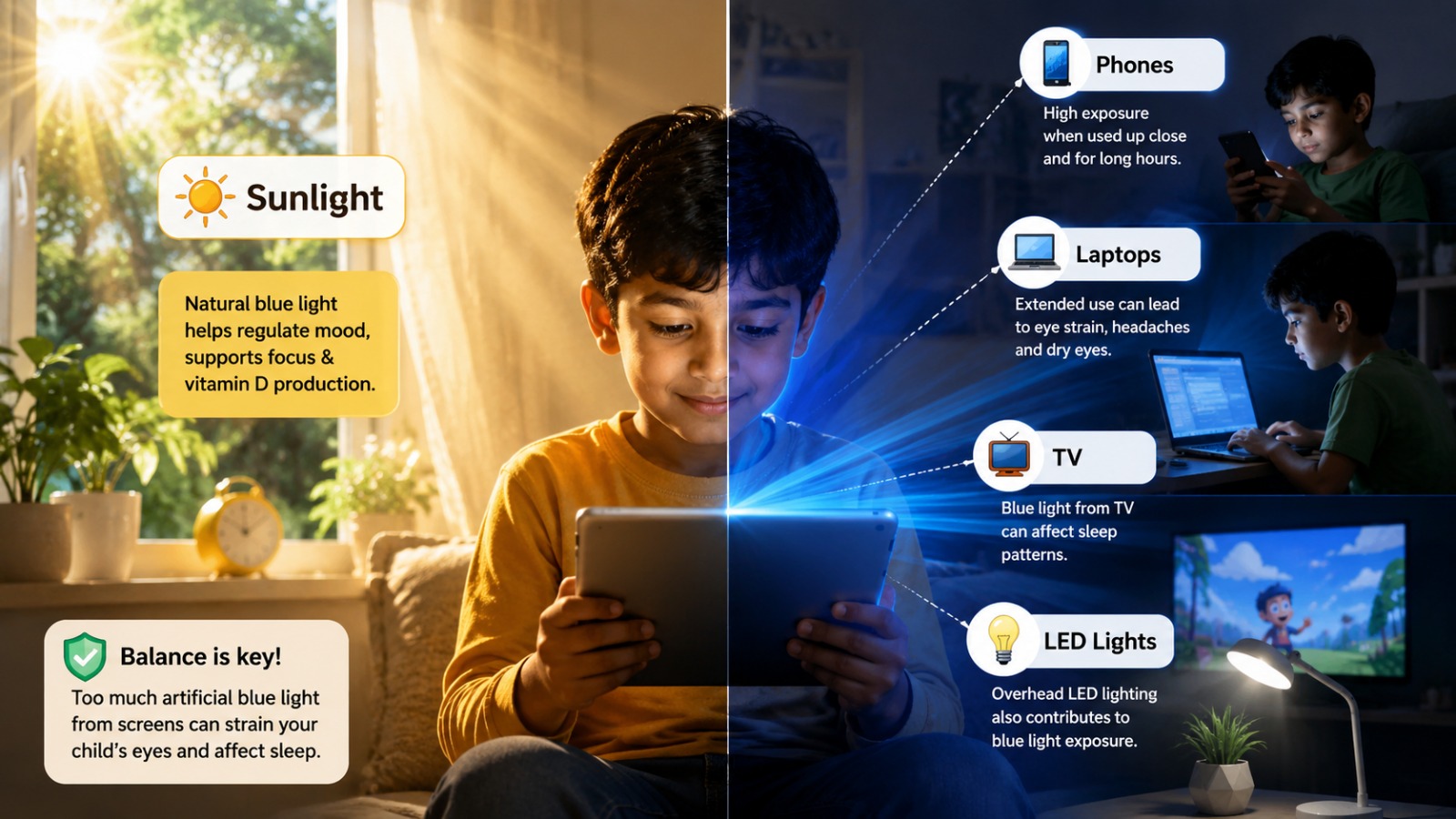
- സ്മാർട്ട്ഫോണുകൾ
- ഗുളികകൾ
- ടെലിവിഷനുകൾ
- ലാപ്ടോപ്പുകൾ
- എൽഇഡി റൂം ലൈറ്റിംഗ്
- മോണിറ്ററുകൾ
- ഗെയിമിംഗ് കൺസോളുകൾ
സൂര്യപ്രകാശവുമായി താരതമ്യപ്പെടുത്തുമ്പോൾ, സ്ക്രീനുകൾക്ക് ചെറിയ അളവിൽ നീല വെളിച്ചമുണ്ട്. കുട്ടികൾ അവരുടെ മുഖത്തോട് ചേർന്ന് ഉപകരണങ്ങൾ സ്ഥാപിക്കുന്നതാണ് പ്രശ്നം. കുട്ടികൾക്ക് ദീർഘനേരവും രാത്രി വൈകിയും നീലവെളിച്ചത്തിന് വിധേയരാകാം. ഒരു കുട്ടി രണ്ട് മണിക്കൂർ ഓൺലൈൻ ക്ലാസുകൾ ചെയ്യുന്നതും പിന്നീട് ഒരു മണിക്കൂർ ഹോംവർക്ക് ചെയ്യുന്നതും തുടർന്ന് ഉറങ്ങാൻ പോകുന്നതിന് മുമ്പ് കാർട്ടൂണുകൾ കാണുകയോ ഗെയിമുകൾ കളിക്കുകയോ ചെയ്യുന്നത് സങ്കൽപ്പിക്കുക. കുട്ടികളിൽ നീല വെളിച്ചം എക്സ്പോഷർ ചെയ്യുന്നത് ഒരു പ്രശ്നമാണ്. സ്ക്രീനിനോട് ചേർന്ന് നീണ്ടുനിൽക്കുന്ന നീല വെളിച്ചത്തിൻ്റെ സംയോജനമാണിത് (ഇത് മിന്നുന്നത് കുറയുന്നതിന് കാരണമാകുന്നു), തത്ഫലമായി തടസ്സപ്പെട്ട ഉറക്ക രീതികൾ.
കുട്ടികളുടെ കണ്ണുകൾ നീല വെളിച്ചത്തോട് കൂടുതൽ സെൻസിറ്റീവ് ആണോ?
കുട്ടികളുടെ കണ്ണുകൾ മുതിർന്നവരുടെ കണ്ണുകളിൽ നിന്ന് വ്യത്യസ്തമാണ്; അവ ഇപ്പോഴും വികസിച്ചുകൊണ്ടിരിക്കുന്നു. കുട്ടികൾ വളരുന്നതിനനുസരിച്ച്, അവരുടെ ദൃശ്യ സംവിധാനങ്ങളും അവരോടൊപ്പം വികസിക്കുന്നു.
മുതിർന്നവരിൽ, കണ്ണിൻ്റെ ലെൻസ് സാവധാനത്തിൽ മഞ്ഞ നിറമുള്ള നിറമായി മാറുന്നു, ഇത് കണ്ണിലേക്ക് പ്രവേശിക്കുമ്പോൾ നീല വെളിച്ചം ഫിൽട്ടർ ചെയ്യാൻ കഴിയും. കുട്ടികളുടെ ലെൻസുകൾ കൂടുതൽ വ്യക്തമാണ്. തൽഫലമായി, കൂടുതൽ നീല വെളിച്ചം കണ്ണിൽ പ്രവേശിച്ച് റെറ്റിനയെ ബാധിക്കും. കുട്ടികളുടെ മിക്ക ലെൻസുകളും മുതിർന്നവരുടെ ലെൻസുകളേക്കാൾ കൂടുതൽ നീല വെളിച്ചം പ്രക്ഷേപണം ചെയ്യുന്നു, റെറ്റിനയുടെ ആരോഗ്യത്തെ ബാധിക്കുന്ന ഈ പൊരുത്തക്കേടിൻ്റെ അനന്തരഫലങ്ങൾ ഇപ്പോഴും പര്യവേക്ഷണം ചെയ്യപ്പെടുന്നു. കണ്ണിൻ്റെ പിൻഭാഗത്ത് സ്ഥിതി ചെയ്യുന്ന ലൈറ്റ് സെൻസിറ്റീവ് ടിഷ്യുവാണ് റെറ്റിന. തലച്ചോറിലേക്ക് അയയ്ക്കുന്ന ന്യൂറൽ സിഗ്നലുകളിലേക്ക് പ്രകാശത്തെ പരിവർത്തനം ചെയ്യുന്നതിന് ഇത് ഉത്തരവാദിയാണ്.
കുട്ടികളുടെ കണ്ണുകളുടെ വികാസം നോക്കുമ്പോൾ, ശരാശരി, അവരുടെ റെറ്റിനകൾ അവരുടെ ആരോഗ്യത്തിന് നല്ലതിനേക്കാൾ കൂടുതൽ നീല വെളിച്ചത്തിന് വിധേയമാകുന്നു. പ്രായപൂർത്തിയായവരുടെ റെറ്റിനയിൽ നേരിയ തോതിൽ നീല വെളിച്ചം എത്തുന്നു, ലഭ്യമായ തെളിവുകളുടെ അടിസ്ഥാനത്തിൽ സ്ക്രീനുകളിൽ സാധാരണ സമ്പർക്കം പുലർത്തിയതിന് ശേഷം കണ്ണിനുണ്ടാകുന്ന ബുദ്ധിമുട്ട് റെറ്റിനയ്ക്ക് പരിക്കേൽക്കുന്നതിന് പര്യാപ്തമല്ല. കുട്ടികൾ അവരുടെ കണ്ണുകളുടെ ആരോഗ്യത്തെക്കാൾ വിനോദത്തിന് പ്രാധാന്യം നൽകുന്നു.പ്രായപൂർത്തിയായവരിൽ കണ്ണിൻ്റെ ആയാസം ലഘൂകരിക്കുന്നത് ഇടവേളകളെടുക്കാനുള്ള പെരുമാറ്റ പ്രവണതയാണ്; എന്നിരുന്നാലും, കുട്ടികളിൽ അത്തരം പ്രവണതയില്ല. കുട്ടികളിലെ കണ്ണ് പിരിമുറുക്കത്തിൻ്റെ ലക്ഷണങ്ങൾ പലപ്പോഴും പരോക്ഷമായി പ്രസ്താവിക്കപ്പെടുന്നു, വിനോദസമയത്ത് മാതാപിതാക്കൾ കുട്ടികളെ കൂടുതൽ ശ്രദ്ധിക്കണം.
നീലവെളിച്ചം കുട്ടികളുടെ കണ്ണുകളെ നശിപ്പിക്കുമോ?
മാതാപിതാക്കളിൽ നിന്ന് ഞങ്ങൾക്ക് ലഭിക്കുന്ന ഏറ്റവും സാധാരണമായ ചോദ്യമാണിത്.
ഉത്തരം ഇപ്രകാരമാണ്:
ഇപ്പോൾ, സാധാരണ സ്ക്രീൻ സമയം കണ്ണുകൾക്ക് സ്ഥിരമായ കേടുപാടുകൾ വരുത്തുന്നതിന് ശാസ്ത്രജ്ഞരിൽ നിന്ന് തെളിവുകളൊന്നുമില്ല.
അനിയന്ത്രിതമായ സ്ക്രീൻ സമയത്തിന് ഒരു ദോഷവുമില്ലെന്ന് ഇതിനർത്ഥമില്ല. നീലവെളിച്ചത്തിൽ ദീർഘനേരം എക്സ്പോഷർ ചെയ്യുന്നത് റെറ്റിന കോശങ്ങൾക്ക് ഓക്സിഡേറ്റീവ് സമ്മർദ്ദത്തിന് കാരണമാകുമെന്ന് ലബോറട്ടറി പഠനങ്ങൾ തെളിയിച്ചിട്ടുണ്ട്.
സ്വയം പ്രതിരോധിക്കാനുള്ള ശരീരത്തിൻ്റെ കഴിവിനപ്പുറം ഫ്രീ റാഡിക്കലുകളുടെ ശരീരത്തിൽ അടിഞ്ഞുകൂടുന്നതാണ് ഓക്സിഡേറ്റീവ് സ്ട്രെസ്. ബ്ലൂ ലൈറ്റ്, റെറ്റിന കോശങ്ങൾ എന്നിവയെ കുറിച്ചുള്ള ഈ പഠനങ്ങൾ നീല വെളിച്ചത്തിൻ്റെ സാധ്യതയുള്ള ജീവശാസ്ത്രപരമായ പാതകൾ മനസ്സിലാക്കേണ്ടതുണ്ട്. ഡിജിറ്റൽ ഉപകരണങ്ങളുടെ സ്ക്രീനുകൾ നീല വെളിച്ചത്തിൽ ദീർഘനേരം എക്സ്പോഷർ ചെയ്യുന്നത് പഠിക്കാൻ നടത്തുന്ന ലബോറട്ടറി പരീക്ഷണങ്ങളുടെ അവസ്ഥകളുമായി താരതമ്യം ചെയ്യില്ല. കുട്ടികളുടെ ഡിജിറ്റൽ ഉപകരണങ്ങളുടെ സാധാരണ ഉപയോഗം റെറ്റിന കോശങ്ങൾക്ക് സ്ഥിരമായ കേടുപാടുകൾ ഉണ്ടാക്കുന്നില്ലെന്ന് വൈദ്യശാസ്ത്രത്തിലെ വലിയ അളവിലുള്ള പഠനങ്ങൾ തെളിയിച്ചിട്ടുണ്ട്.
ഗവേഷകർക്ക് അറിയാവുന്നത് ദൈർഘ്യമേറിയ സ്ക്രീൻ സമയത്തിന് കാരണമാകാം:
- കണ്ണിൻ്റെ ക്ഷീണം
- താത്കാലിക മങ്ങിയ കാഴ്ച
- തലവേദന
- വരണ്ട കണ്ണുകൾ
- ഉറങ്ങാൻ ബുദ്ധിമുട്ട്
ഗവേഷകർക്ക് അറിയാത്തത്, സ്ക്രീൻ സമയം നീണ്ടുനിൽക്കുന്ന ഒരു കുട്ടിയുടെ ദീർഘകാല അനന്തരഫലങ്ങളാണ്. സ്മാർട്ട്ഫോണുകളും ടാബ്ലെറ്റുകളും ഉപയോഗിച്ച് വളർന്ന കുട്ടികളെ സ്ക്രീൻ ടൈമിലെ ക്യുമുലേറ്റീവ് എക്സ്പോഷർ കുട്ടികൾക്ക് മറ്റ് അപകടങ്ങൾക്ക് കാരണമാകുമോ എന്ന് ഗവേഷകർ നിരീക്ഷിക്കുന്നു.
മിത്ത് vs വസ്തുത
മിഥ്യ: ഡിജിറ്റൽ സ്ക്രീനുകളുടെ നീല വെളിച്ചം സ്ഥിരമായ അന്ധതയ്ക്ക് കാരണമാകും.
വസ്തുത: കണ്ണിന് ശാശ്വതമായ ക്ഷതം എന്ന ആശയത്തെ പിന്തുണയ്ക്കുന്ന ഒരു ഗവേഷണവും നിലവിൽ ഇല്ല; എന്നിരുന്നാലും, ഡിജിറ്റൽ സ്ക്രീനുകളുടെ അമിതമായ ഉപയോഗം കണ്ണിന് അസ്വസ്ഥത, കാഴ്ച ക്ഷീണം, ഉറക്കം തടസ്സപ്പെടുത്തൽ എന്നിവയ്ക്ക് കാരണമാകും.
കുട്ടികളിലെ ബ്ലൂ ലൈറ്റ് എക്സ്പോഷറിൻ്റെ ലക്ഷണങ്ങൾ.
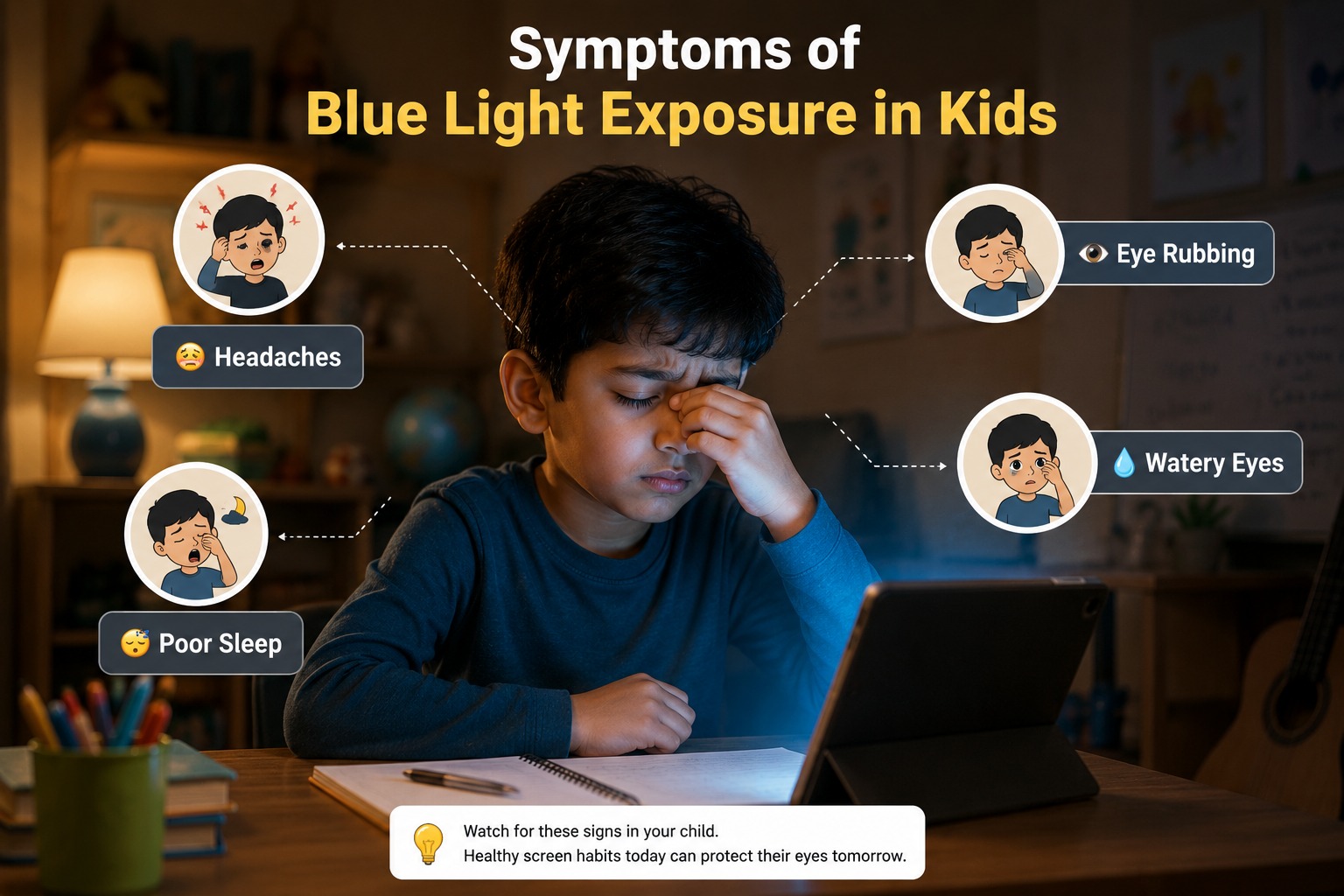
ആരവിൻ്റെ നിരന്തരമായ കണ്ണ് തിരുമ്മൽ പല മാതാപിതാക്കളെയും അത്ഭുതപ്പെടുത്തിയില്ല. പല കുട്ടികളും മറ്റെന്തെങ്കിലും കാര്യങ്ങളിൽ തിരക്കിലാണ്.
സ്ക്രീനുകൾക്ക് മുന്നിൽ കൂടുതൽ സമയം ചിലവഴിക്കുന്ന കുട്ടികളുടെയും നീല വെളിച്ചം കൂടുതൽ ഏൽക്കുന്നവരുടെയും ലക്ഷണങ്ങൾ ഇതാ.
1. അസാധാരണമായ മിന്നൽ
ചില കുട്ടികൾക്ക് അവരുടെ കണ്ണുകൾ നനവുള്ളതായി നിലനിർത്താൻ നിരന്തരം ആവർത്തിച്ച് മിന്നിമറയാൻ തുടങ്ങും.
2. ഉരസുന്നത്
ഇത് ഒരു മോശം ശീലം മുതൽ പ്രകോപിപ്പിക്കലും വരണ്ട കണ്ണുകളും വരെയുള്ള നിരവധി കാര്യങ്ങളുടെ അടയാളമായിരിക്കാം.
3. വളരെ വെള്ളമായിത്തീരുന്നു.
കണ്ണുകൾ വരണ്ടുപോകുമ്പോൾ, ശരീരം ചിലപ്പോൾ അമിതമായി കണ്ണുനീർ ഉത്പാദിപ്പിക്കുന്നതിലൂടെ പ്രതികരിക്കും.
4. തല വേദന
സ്ട്രെയിൻ തലയിൽ വേദനയുണ്ടാക്കാം, ദൈർഘ്യമേറിയ ഗെയിമിംഗ് എപ്പിസോഡിൽ കണ്ണുകളെ അമിതമായി ആയാസപ്പെടുത്തുന്നതിൻ്റെ ഫലമായി ഇത് സംഭവിക്കാം.
5. കണ്ണുകൾ വളരെ കത്തുന്നു അല്ലെങ്കിൽ വളരെ ചൊറിച്ചിൽ, ചൂട്
കണ്ണിൻ്റെ അസ്വസ്ഥതയെ വിവരിക്കാൻ ചില കുട്ടികളുടെ വാക്കുകൾ കത്തുന്നതോ ചൂടുള്ളതോ ചൊറിച്ചിൽ അനുഭവപ്പെടുന്നതോ ആകാം.
6. മോശം ഫോക്കസ്
അടുത്തു നിന്ന് ദൂരത്തേക്ക് ഫോക്കസ് മാറ്റാൻ ബുദ്ധിമുട്ടുള്ളതോ വരണ്ടതോ ആയ കണ്ണുകൾ ബുദ്ധിമുട്ടുണ്ടാക്കും.
7. മോശം സ്ക്രീൻ പോസ്ചർ
കഴുത്തിലും തോളിലും ആയാസം ഉണ്ടാക്കാം. ക്ഷീണിച്ച കണ്ണുകൾക്ക് കൂടുതൽ വികാരാധീനനാകാൻ കഴിയും.
വളരെയധികം സ്ക്രീൻ സമയത്തിന് ശേഷം നിങ്ങളുടെ കുട്ടി എങ്ങനെ പെരുമാറുന്നുവെന്ന് കാണുക.അവർ ടിവി കാണാൻ കണ്ണിറുക്കുന്ന ശീലം വളർത്തിയെടുത്തിട്ടുണ്ടോ, അതോ അവരുടെ മുമ്പ് പ്രിയപ്പെട്ട പുസ്തകങ്ങൾ അവർക്ക് വായിക്കാൻ പറ്റാത്തതായി മാറിയിട്ടുണ്ടോ?
അക്ഷരങ്ങൾ മങ്ങുന്നതായി അവർ പരാതിപ്പെടുന്നുണ്ടോ? ഈ ചെറിയ സൂചനകൾ ശ്രദ്ധ അർഹിക്കുന്നു.
കുട്ടികൾക്ക് എത്രത്തോളം സ്ക്രീൻ സമയം സുരക്ഷിതമാണ്?
സ്ക്രീൻ സമയം പരിമിതപ്പെടുത്തുന്നത് ഒരു സമ്പൂർണ്ണ അളവുകോലായിരിക്കരുത് എന്ന് മിക്ക ലോകാരോഗ്യ സംഘടനകളും സമ്മതിക്കുന്നു. പകരം, ആരോഗ്യകരമായ സ്ക്രീൻ ശീലങ്ങൾ വികസിപ്പിക്കുന്നതിൽ അവർ ശ്രദ്ധ കേന്ദ്രീകരിക്കുന്നു.
ഇനിപ്പറയുന്ന ശുപാർശകൾ ശിശുരോഗ സംഘടനകളിൽ നിന്നുള്ളതാണ്.
പ്രായ ഗ്രൂപ്പ് സ്ക്രീൻ സമയ ശുപാർശ. 2 വർഷത്തിൽ താഴെ, മേൽനോട്ടത്തിലുള്ള വീഡിയോ കോളുകൾ ഒഴികെയുള്ള സ്ക്രീൻ സമയം ഒഴിവാക്കണം.
-
2 - 5 വർഷം. പ്രതിദിനം ഒരു മണിക്കൂർ മാത്രം ഗുണനിലവാരമുള്ള ഉള്ളടക്കം
-
5 - 12 വർഷം 1 മുതൽ 2 മണിക്കൂർ വരെ കളിക്കുന്നതിനും വിശ്രമിക്കുന്നതിനുമുള്ള സ്ക്രീൻ സമയം.
കൗമാരക്കാരുടെ ഒഴിവുസമയ സ്ക്രീൻ ഉപയോഗം ആരോഗ്യകരമായ ശീലങ്ങൾ പിന്തുടരുകയും ഇടയ്ക്കിടെയുള്ള ഇടവേളകൾ ഉൾപ്പെടുത്തുകയും വേണം.
ഒരു മൂല്യനിർണ്ണയ വീക്ഷണകോണിൽ, സ്ക്രീൻ ഉപയോഗത്തിൻ്റെ ഗുണനിലവാരവും സമയത്തിൻ്റെ അളവും പരിഗണിക്കേണ്ടതാണ്.
ഓൺലൈൻ സയൻസ് ക്ലാസിൽ പങ്കെടുക്കുന്ന ഒരു കുട്ടിയുടെ ആവശ്യങ്ങൾ 4 മണിക്കൂർ തുടർച്ചയായി വീഡിയോകൾ കാണുന്ന കുട്ടിയുടെ ആവശ്യങ്ങളിൽ നിന്ന് വളരെ വ്യത്യസ്തമാണ്.
ഇനിപ്പറയുന്ന ചോദ്യങ്ങൾ ഉപയോഗിച്ച് രക്ഷിതാക്കൾക്ക് സ്ക്രീൻ ഉപയോഗം വിലയിരുത്താനാകും:
- ഉള്ളടക്കം വിദ്യാഭ്യാസപരമാണോ?
- ഉറക്കത്തിൻ്റെ സ്ഥാനത്ത് സ്ക്രീൻ ഉപയോഗമാണോ ഔട്ട്ഡോർ ആക്റ്റിവിറ്റി?
- സ്ക്രീൻ ആക്റ്റിവിറ്റി തിരഞ്ഞെടുക്കുന്നതിൽ കുട്ടിക്ക് ബോറടിയോ അസ്വസ്ഥതയോ തോന്നുന്നുണ്ടോ?
ശ്രദ്ധിക്കുക: സജ്ജീകരിക്കാനും ആശയവിനിമയം നടത്താനും നിങ്ങളെ സഹായിക്കുന്നതിന് ഇനിപ്പറയുന്ന വിവരങ്ങൾ ഉപയോഗിക്കുക
കുട്ടികളെ നീല വെളിച്ചത്തിൽ നിന്ന് സംരക്ഷിക്കുന്നതിനുള്ള 10 രക്ഷിതാക്കൾ അംഗീകരിച്ച നുറുങ്ങുകൾ.

മാതാപിതാക്കളെന്ന നിലയിൽ, നീല വെളിച്ചത്തിൻ്റെ കേടുപാടുകളിൽ നിന്ന് നമ്മുടെ കുഞ്ഞുങ്ങളെ സംരക്ഷിക്കാൻ ഞങ്ങൾ ആഗ്രഹിക്കുന്നു. സാങ്കേതിക വിദ്യയുടെ ഉപയോഗം ഇല്ലാതാക്കേണ്ടതില്ല, മെച്ചപ്പെട്ട ശീലങ്ങൾ പ്രോത്സാഹിപ്പിക്കുക എന്നതാണ് നല്ല വാർത്ത.
1. 20-20-20 നിയമം
ഓരോ 20 മിനിറ്റിലും, 20 സെക്കൻ്റെങ്കിലും 20 അടി അകലെയുള്ള എന്തെങ്കിലും നോക്കാൻ നിങ്ങളുടെ കുട്ടികളെ പ്രോത്സാഹിപ്പിക്കുക.
2. കൂടുതൽ ഔട്ട്ഡോർ പ്ലേ
ബൈക്ക് ഓടിക്കാനോ, ഫുട്ബോൾ കളിക്കാനോ, കയർ ഒഴിവാക്കാനോ, അത്താഴത്തിന് ശേഷം നടക്കാനോ കഴിയുന്ന കുട്ടികൾക്ക് പ്രകൃതിദത്തമായ പ്രകാശം ഏൽക്കാനും അടുത്തുള്ള ജോലിയുടെ ഫലങ്ങൾ കുറയ്ക്കാനും കഴിയും.
3. സ്ക്രീനുകൾ ആയുധങ്ങളുടെ നീളത്തിൽ പിടിക്കണം
ഫോണുകൾ കൈവശം വയ്ക്കുന്നത് കുറഞ്ഞത് ഒരു കൈയ്യുടെ അകലത്തിലാണെന്നും അടുത്തല്ലെന്നും ഉറപ്പാക്കുക.
4. കുറഞ്ഞ തെളിച്ചമുള്ള സ്ക്രീനുകൾ
വളരെ തെളിച്ചമുള്ള സ്ക്രീനുകൾ അസ്വസ്ഥതയുണ്ടാക്കുന്നതിനാൽ സ്ക്രീനുകൾക്ക് പരിസ്ഥിതിയേക്കാൾ തെളിച്ചം കുറവായിരിക്കണം.
5. ഉറങ്ങുന്നതിന് ഒരു മണിക്കൂർ മുമ്പ് എല്ലാ സ്ക്രീനുകളും മാറ്റിസ്ഥാപിക്കുക
ഉപകരണങ്ങൾക്ക് പകരം പുസ്തകങ്ങളോ കഥകളോ മാത്രം ഉപയോഗിച്ച് നിങ്ങളുടെ രാത്രി ദിനചര്യ ആവർത്തിക്കുന്നത് ഉറക്ക ഹോർമോണായ മെലറ്റോണിൻ ഉത്പാദിപ്പിക്കാനും ഉറക്കം മെച്ചപ്പെടുത്താനും സഹായിക്കും.
6. അവരെ ബ്ലിങ്ക് ചെയ്യാൻ വെല്ലുവിളിക്കുക
മിന്നിമറയുന്നത് രസകരമാക്കുക, ഓരോ ഇടവേളയിലും 10 തവണ മിന്നിമറയാൻ യുവാക്കളെ വെല്ലുവിളിക്കുക.
7. ചെറിയ ഫോണുകളല്ല, വലിയ സ്ക്രീനുകൾ ഉപയോഗിക്കുക
ഒരു ചെറിയ സ്മാർട്ട്ഫോണിനെക്കാൾ ദൂരെ വെച്ചിരിക്കുന്ന ടിവി അല്ലെങ്കിൽ ലാപ്ടോപ്പ് പോലെയുള്ള വലിയ സ്ക്രീനിൻ്റെ ദൂരമാണ് നിങ്ങളുടെ കണ്ണുകൾക്ക് നല്ലത്.
8. ശരിയായ ഭാവം
പ്രോത്സാഹിപ്പിക്കുകപേശികൾ വിശ്രമിക്കാൻ സഹായിക്കുന്നതിന് കാലുകൾ തറയിലും സ്ക്രീനുകൾ കണ്ണുകൾക്ക് താഴെയും ആയിരിക്കണം.
9. സ്ക്രീനുകളില്ലാതെ കുടുംബ സമയം സൃഷ്ടിക്കുക
ബോർഡ് ഗെയിമുകളും പൂന്തോട്ടപരിപാലനവും പോലെയുള്ള സ്വാഭാവിക പ്രവർത്തനങ്ങളുള്ള ശാന്തമായ സായാഹ്നങ്ങൾ കുട്ടികളെ വിച്ഛേദിക്കാൻ സഹായിക്കുന്നു.
10.ആരോഗ്യമുള്ള നേത്ര ഭക്ഷണം നൽകൂ
പോഷണം കൊണ്ട് സ്ക്രീൻ സ്ട്രെയിൻ ഇല്ലാതാക്കാൻ നിങ്ങൾക്ക് കഴിയില്ല, പക്ഷേ ചീരയും കാരറ്റും പോലുള്ള ആരോഗ്യകരമായ ഭക്ഷണങ്ങൾ ഉപയോഗിച്ച് നിങ്ങളുടെ കണ്ണിനെ സഹായിക്കാനാകും.
നല്ല പോഷകാഹാരം കാഴ്ചയെ മാത്രമല്ല പിന്തുണയ്ക്കുന്നു.മെമ്മറി, ഫോക്കസ്, മൊത്തത്തിലുള്ള മസ്തിഷ്ക വികസനം എന്നിവയിലും ചില പോഷകങ്ങൾ ഒരു പങ്കു വഹിക്കുന്നു. വളരുന്ന മനസ്സിന് ഗുണം ചെയ്യുന്ന ഭക്ഷണങ്ങൾ ഏതൊക്കെയെന്ന് അറിയാൻ, കുട്ടികൾക്കുള്ള ബ്രെയിൻ ബൂസ്റ്റർ ഭക്ഷണങ്ങൾ എന്നതിലെ ഞങ്ങളുടെ പൂർണ്ണമായ ഗൈഡ് വായിക്കുക.
ഉപസംഹാരം
ചെറിയ മാറ്റങ്ങൾ ദൈനംദിന ജീവിതത്തിൽ നിന്ന് സാങ്കേതികവിദ്യയെ ഇല്ലാതാക്കണമെന്നില്ല, പക്ഷേ ഇപ്പോഴും ലോകത്തെ കാണാൻ പഠിക്കുന്ന ചെറിയ കണ്ണുകളെ സംരക്ഷിക്കാൻ അവ സഹായിക്കും.
FAQs
1. നീല വെളിച്ചം കുട്ടികളുടെ കണ്ണുകളെ ശാശ്വതമായി നശിപ്പിക്കുമോ?
നിലവിലെ തെളിവുകൾ സാധാരണ സ്ക്രീൻ ഉപയോഗത്തിൽ നിന്ന് റെറ്റിനയ്ക്ക് സ്ഥിരമായ കേടുപാടുകൾ കാണിക്കുന്നില്ല, എന്നിരുന്നാലും അമിതമായ എക്സ്പോഷർ കണ്ണിൻ്റെ ആയാസത്തിനും ഉറക്ക അസ്വസ്ഥതകൾക്കും കാരണമാകും.
2. 5 മുതൽ 10 വയസ്സുവരെയുള്ള കുട്ടിക്ക് എത്ര സ്ക്രീൻ സമയം ആരോഗ്യകരമാണ്?
ആവശ്യത്തിന് ഉറക്കവും ഔട്ട്ഡോർ കളിയും ഉറപ്പാക്കിക്കൊണ്ട് വിനോദ സ്ക്രീൻ സമയം ദിവസവും ഒന്നോ രണ്ടോ മണിക്കൂറായി പരിമിതപ്പെടുത്താൻ മിക്ക വിദഗ്ധരും നിർദ്ദേശിക്കുന്നു.
3. ബ്ലൂ ലൈറ്റ് ഗ്ലാസുകൾ കുട്ടികൾക്ക് ഉപയോഗപ്രദമാണോ?
ചില കുട്ടികൾ അവർക്ക് സുഖകരമാണെന്ന് തോന്നുന്നു, എന്നാൽ പ്രത്യേക കണ്ണടകൾ പരിഗണിക്കുന്നതിന് മുമ്പ് ആരോഗ്യകരമായ സ്ക്രീൻ ശീലങ്ങളിലും പതിവ് ഇടവേളകളിലും ശ്രദ്ധ കേന്ദ്രീകരിക്കാൻ വിദഗ്ധർ സാധാരണയായി ശുപാർശ ചെയ്യുന്നു.
4. അമിത സ്ക്രീൻ സമയം മയോപിയയ്ക്ക് കാരണമാകുമോ?
നീല വെളിച്ചം എക്സ്പോഷർ ചെയ്യുന്നതിനേക്കാൾ മയോപിയയ്ക്ക് ശക്തമായ സംഭാവന നൽകുന്നതായി കാണപ്പെടുന്നു, നീണ്ടുനിൽക്കുന്ന ജോലിയും ഔട്ട്ഡോർ പ്രവർത്തനവും കുറയുന്നു.
5. നീല വെളിച്ചം കുട്ടികളുടെ ഉറക്കത്തെ ബാധിക്കുമോ?
വൈകുന്നേരത്തെ നീല വെളിച്ചം എക്സ്പോഷർ ചെയ്യുന്നത് മെലറ്റോണിൻ ഉൽപാദനത്തെ തടസ്സപ്പെടുത്തുകയും ഉറക്കത്തിൻ്റെ ആരംഭം വൈകിപ്പിക്കുകയും ചെയ്യും.
6. ഏത് പ്രായത്തിലാണ് കുട്ടികൾക്ക് ആദ്യമായി നേത്രപരിശോധന നടത്തേണ്ടത്?
പല പീഡിയാട്രിക് നേത്ര വിദഗ്ധരും സ്കൂൾ ആരംഭിക്കുന്നതിന് മുമ്പും അതിനു മുമ്പും കുട്ടികളിൽ കാഴ്ച സംബന്ധമായ ലക്ഷണങ്ങൾ രക്ഷിതാക്കൾ ശ്രദ്ധിച്ചാൽ സമഗ്രമായ നേത്രപരിശോധന നടത്താൻ ശുപാർശ ചെയ്യുന്നു.
